
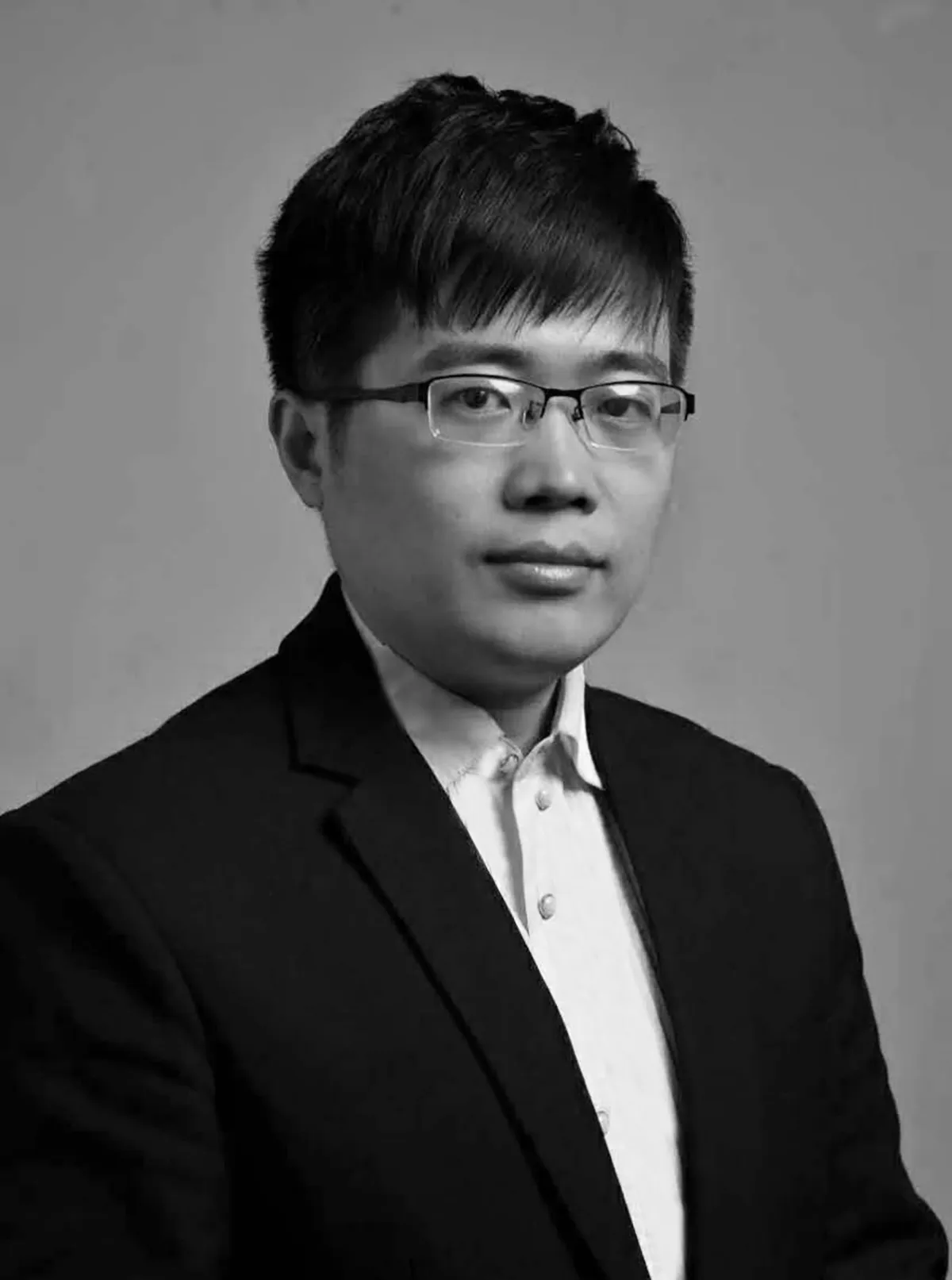
Hao Wu is the Founder & Chief Designer of WADI Studio and holds professional degrees in hydraulic engineering and landscape architecture. For years, he has been engaged in research and practice in ecological water environments, contemporary landscape design, and ecological restoration. His expertise lies in developing innovative solutions by integrating landscape design, spatial theory, and ecological technologies. He is a leading specialist in sponge cities and ecological landscapes, with extensive experience in green-infrastructure planning, ecological-restoration technologies, and storm-water management.
WLA | What was your path to becoming a landscape architect?
I earned a bachelor’s degree in hydraulic engineering at Tsinghua University in Beijing. After graduation, I was awarded a national scholarship to study in the Netherlands, where I pursued graduate research on landscape design under Prof. Jusuck Koh at Wageningen University & Research. After about seven years with internationally renowned design consultancies (Mecanoo Architects & H+N+S in the Netherlands, Atelier Dreiseitl in Germany), I established WADI Studio in Beijing, China to start my own practice.
WLA | What is the most rewarding part of being a landscape architect?
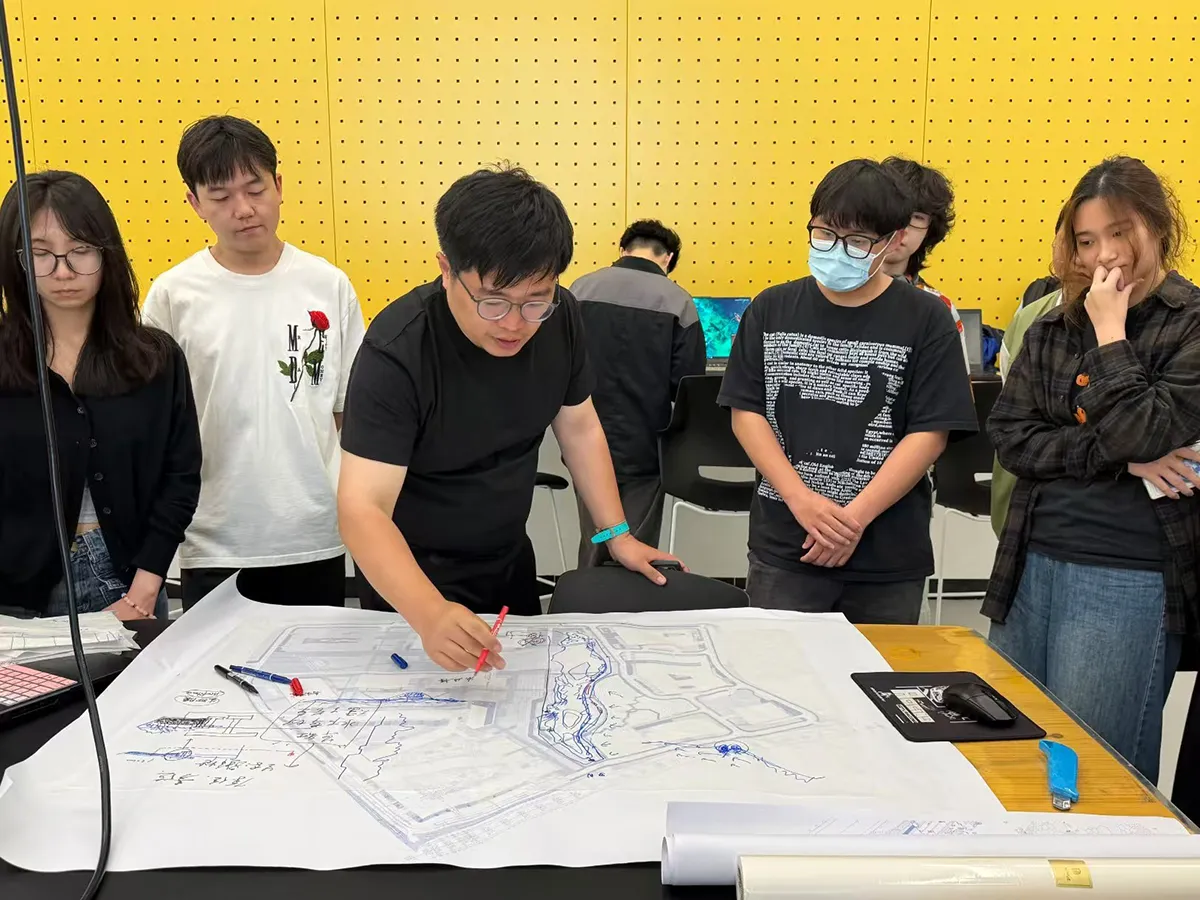
As landscape architects, trained with latent “soft” intelligence rather than rigid order, the greatest reward lies in the opportunity to understand in depth how our planet has been reshaped by cultural process, and being a part of reshaping process. History is not merely a ledger of “good” or “bad” human actions, but a testament to our dialogue with place: destructive engineering or sustainable stewardship.
WLA | How do you see the future of landscape architecture?
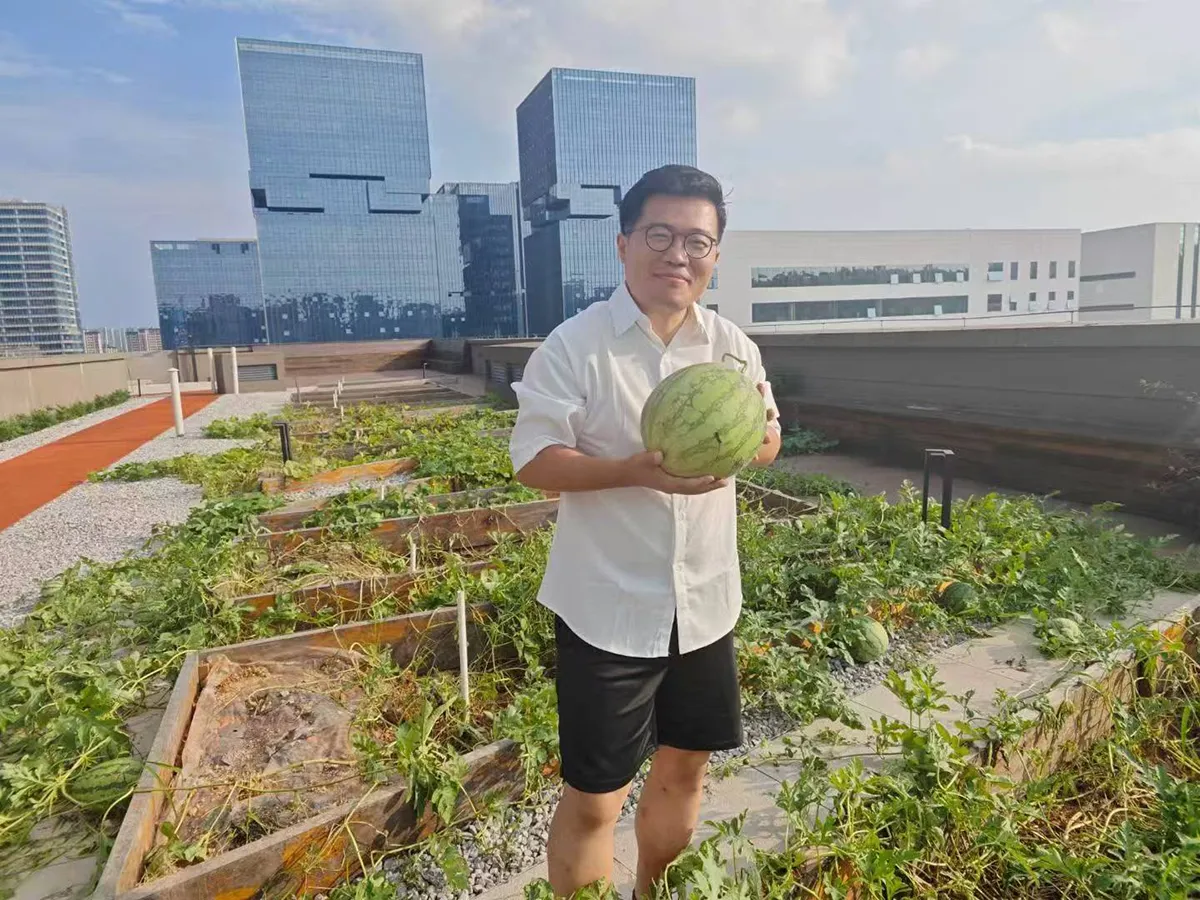
Undoubtedly, when the future comes, more ecology need to be restored or designed, the profession is needed. While the field will inevitably evolve, its core mission—addressing living environments and habitat quality—will persist. I believe “a meta-design discipline” will emerge, one that synthesiz virous professions together, because the philosophy on building citys will be more about integrated, cycling and adaptive. Mirroring the Daoism saying, “Reversion is the movement of the Dao; Adaptivity is the function of the Dao.”( “反者道之动,弱者道之用” )
Thank you to Hao Wu of WADI Studio for taking the time to answer our questions.