
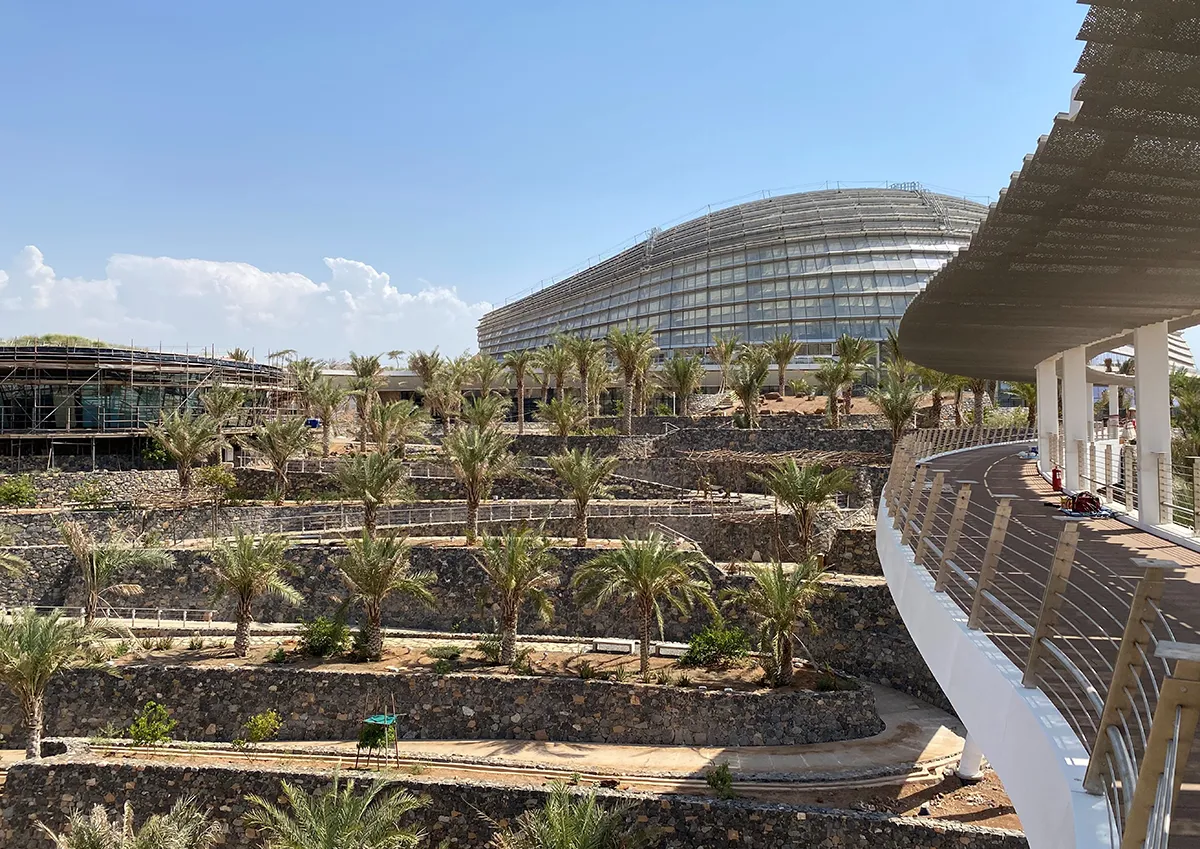
Oman Botanic Garden is an internationally significant institution dedicated to discovering, cultivating, showcasing and protecting the Sultanate’s unique plant diversity and ethnobotanical heritage. Located on a 430-hectare protected site close to Muscat, the Garden is conceived as a living institution – a place where conservation, research, education and public life are interconnected.
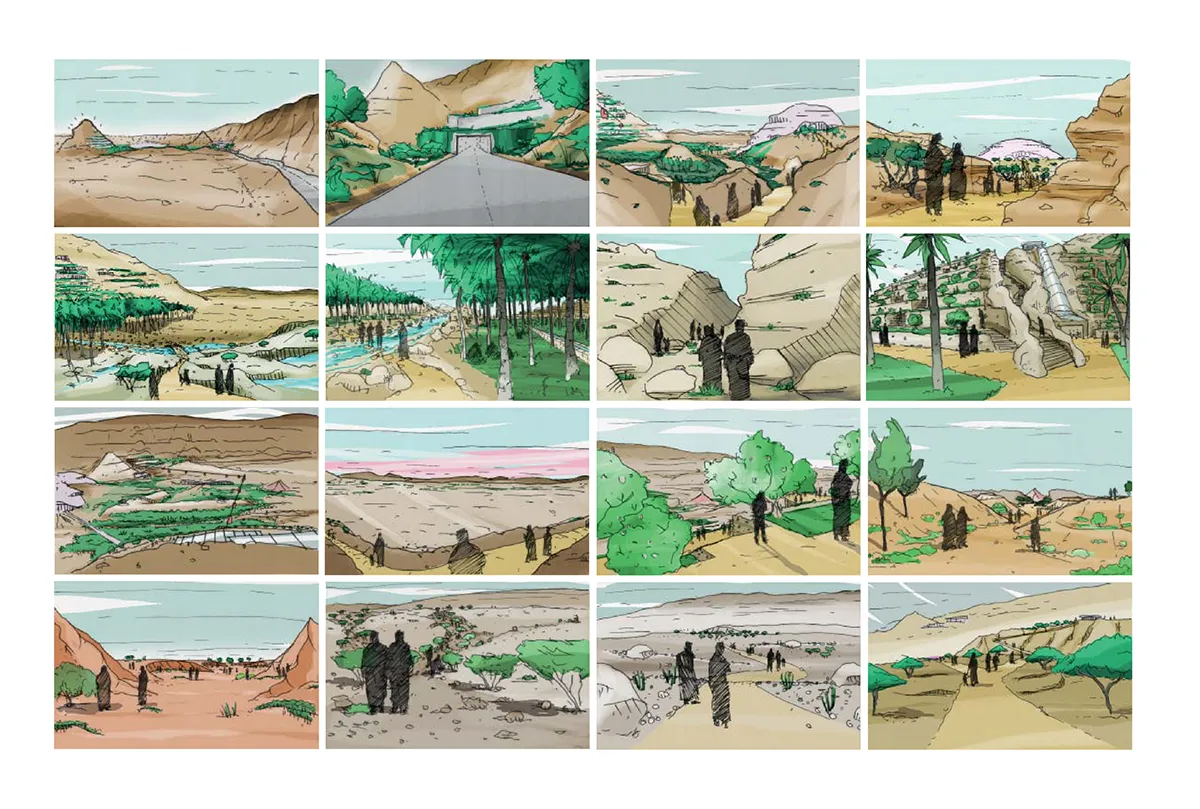
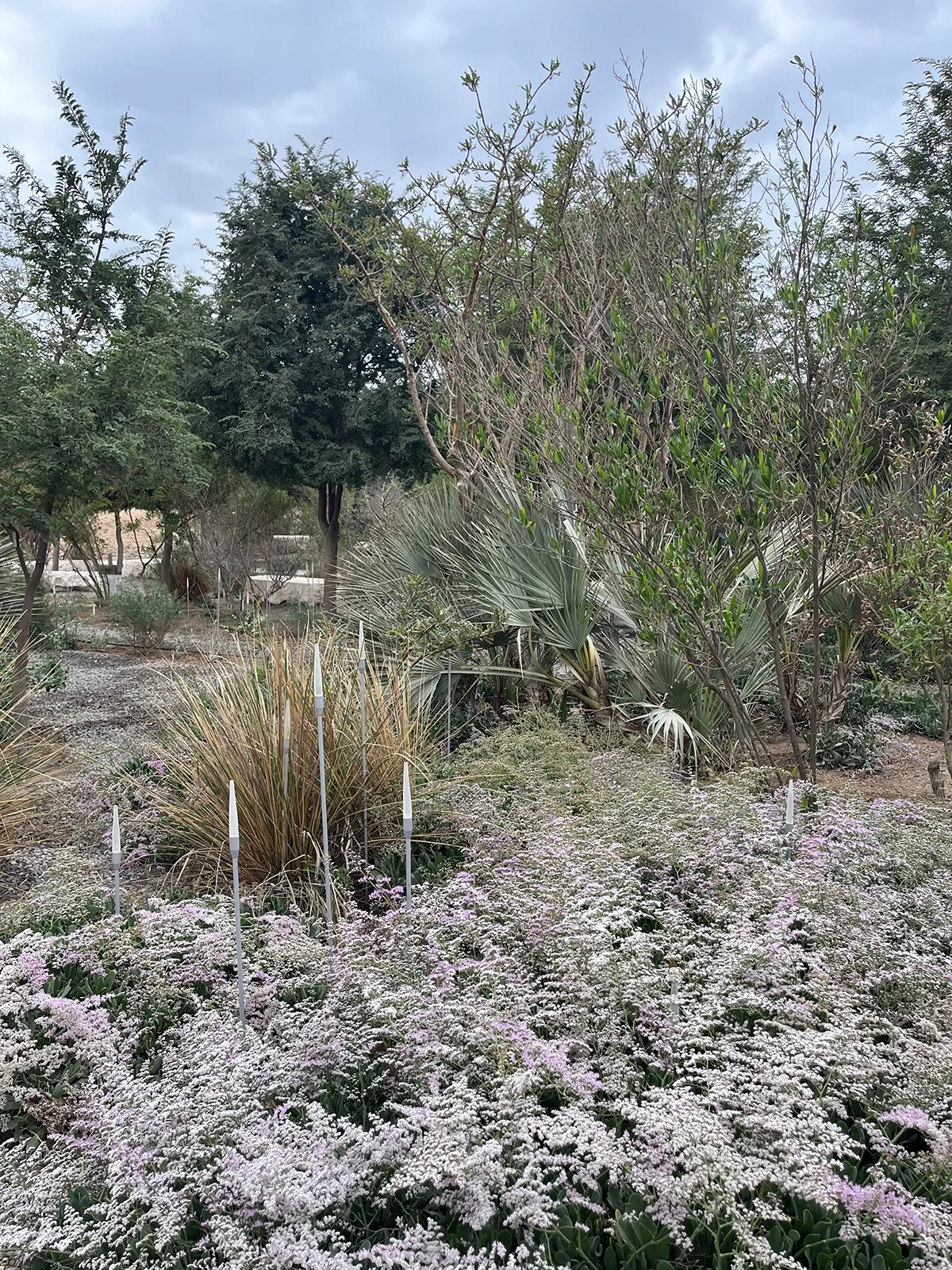
The Garden’s vision is to inspire people to conserve and cherish Oman’s biodiversity for a sustainable future. This aspiration is translated into a powerful and accessible place that enables visitors to experience all eight of Oman’s distinct habitats in a single, coherent journey. From monsoon forests and mountain peaks to wadis, deserts, agricultural terraces and salt plains, the landscape compresses the geography of an entire country into an immersive and educational sequence of spaces.
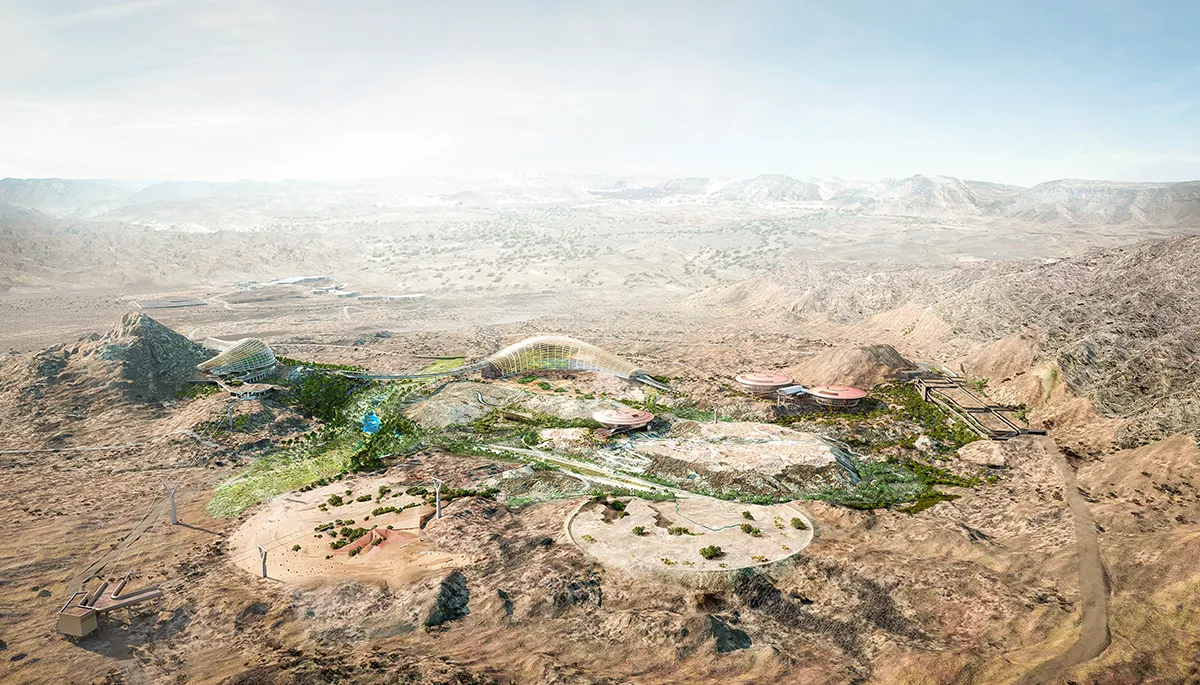
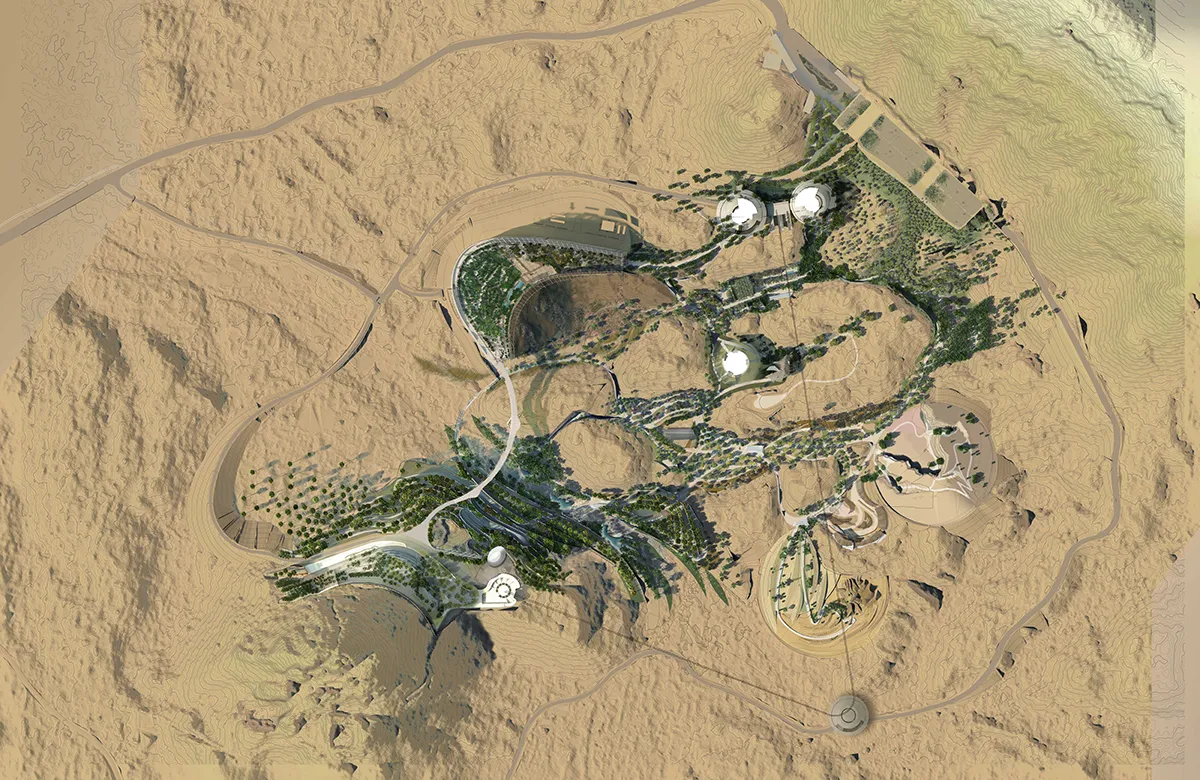
Uniquely, Oman Botanic Garden is the only botanic garden in the world dedicated exclusively to the native flora of the Arabian Peninsula, including almost all plant species found within Oman, many of which are endemic and under increasing threat from climate change, land degradation and urban expansion. The Garden therefore operates simultaneously as an internationally important scientific research environment, national centre for conservation and a local community cultural landscape.
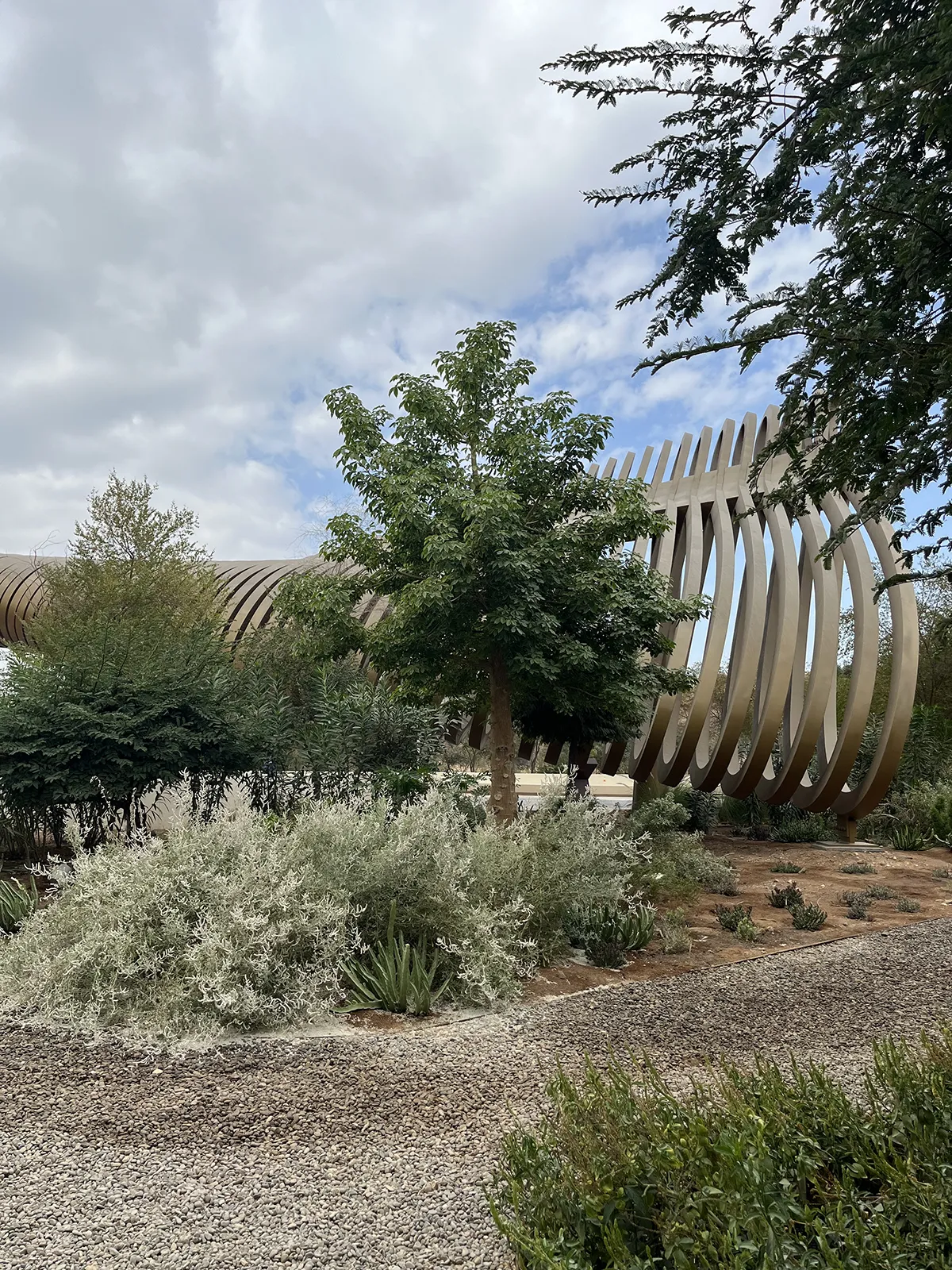
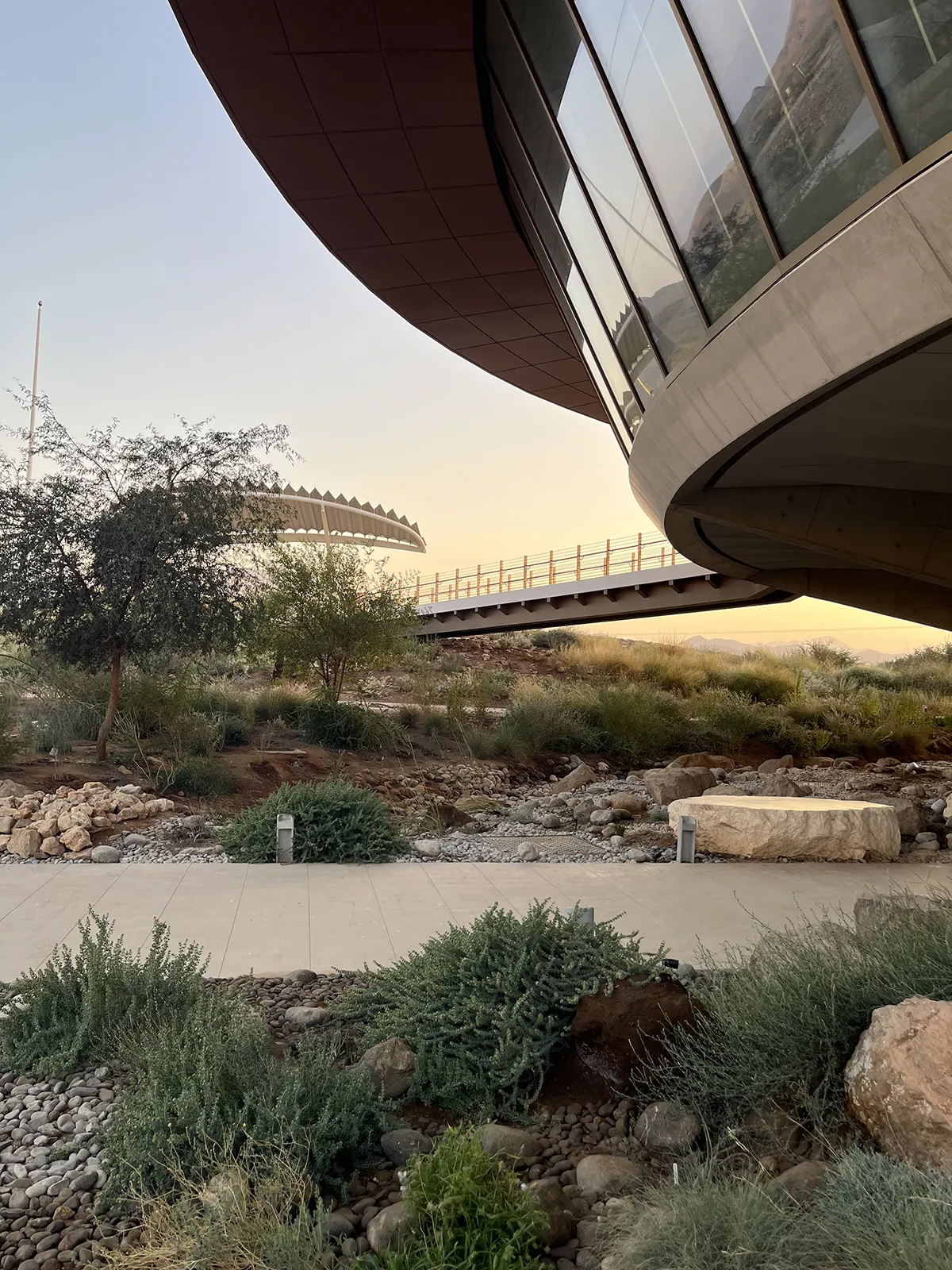
Two of the largest climate-controlled biomes in the world form the heart of the Garden and represent pioneering technical innovation in the context of the highest environmental credentials. Unlike conventional biomes, which generate warmth, these structures are designed to create cool, high-light conditions within an extreme climate, responding to the physiological requirements of Omani plant species. This is achieved through a hybrid environmental strategy combining passive design measures – including high-performance shading and envelope optimisation – with active cooling systems powered by on-site renewable energy. These systems are complemented by efficient water management and recycling strategies to support stable conditions. The result is a low-carbon environmental system that supports both ecological performance and visitor comfort.
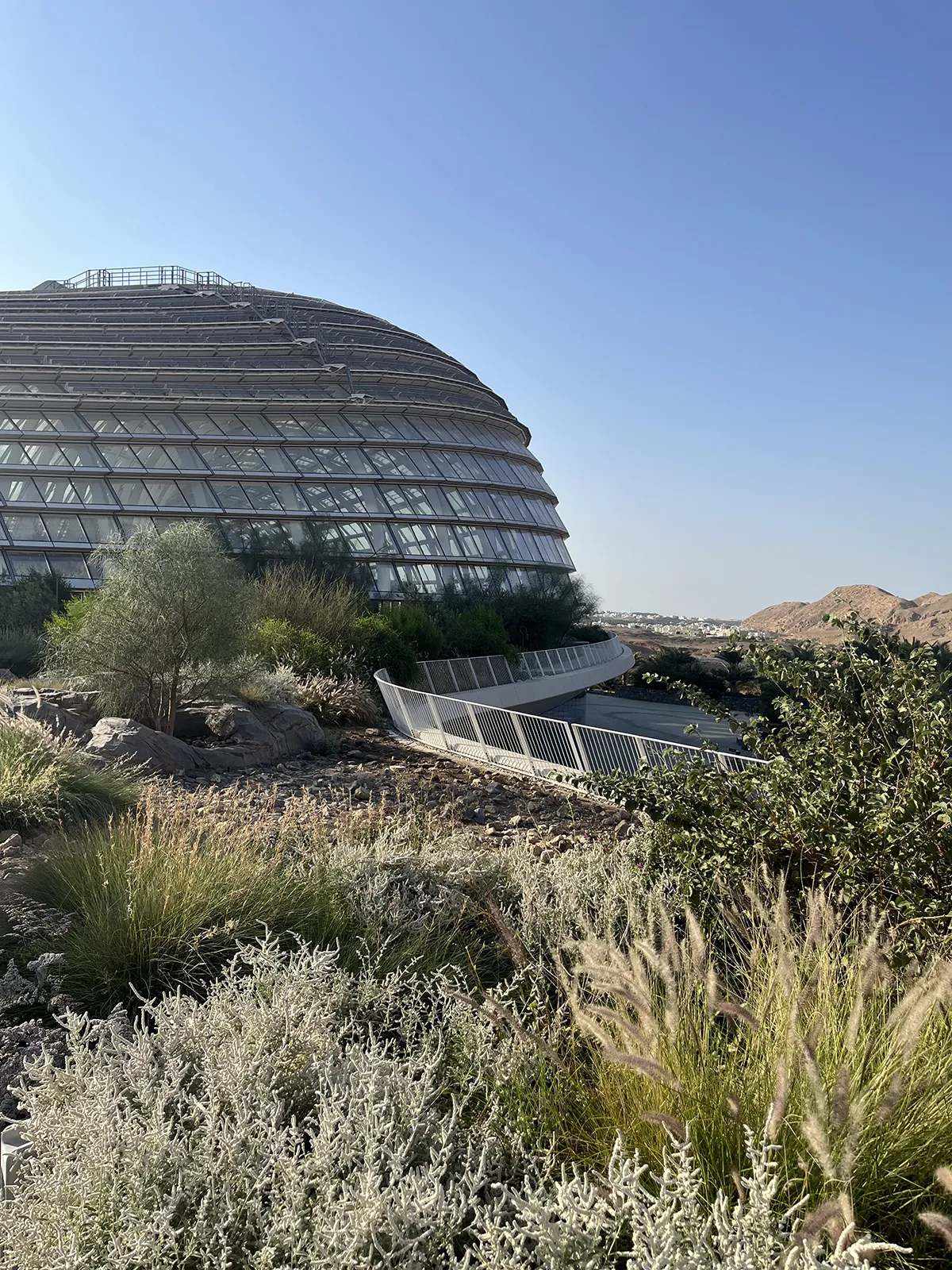
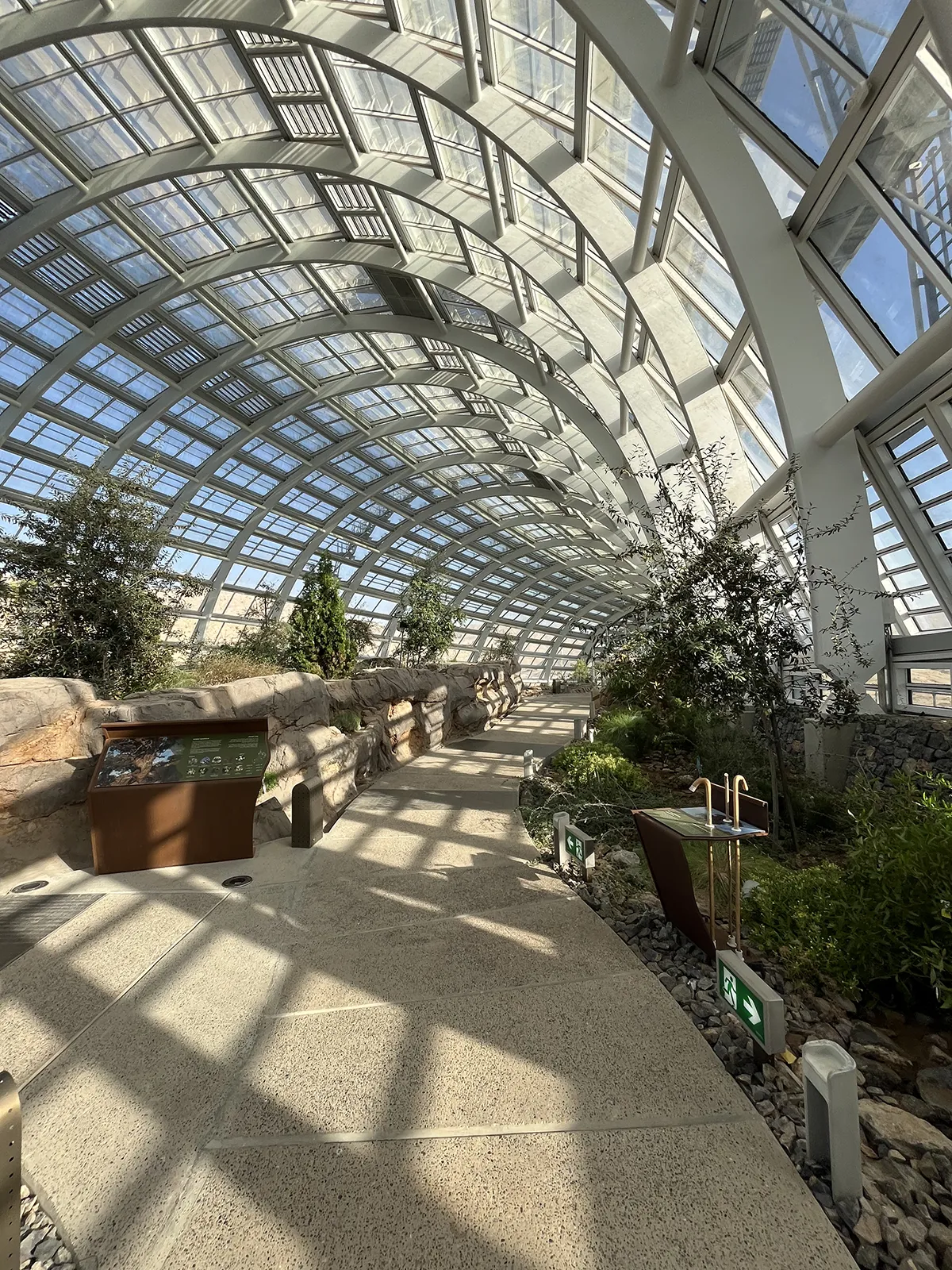
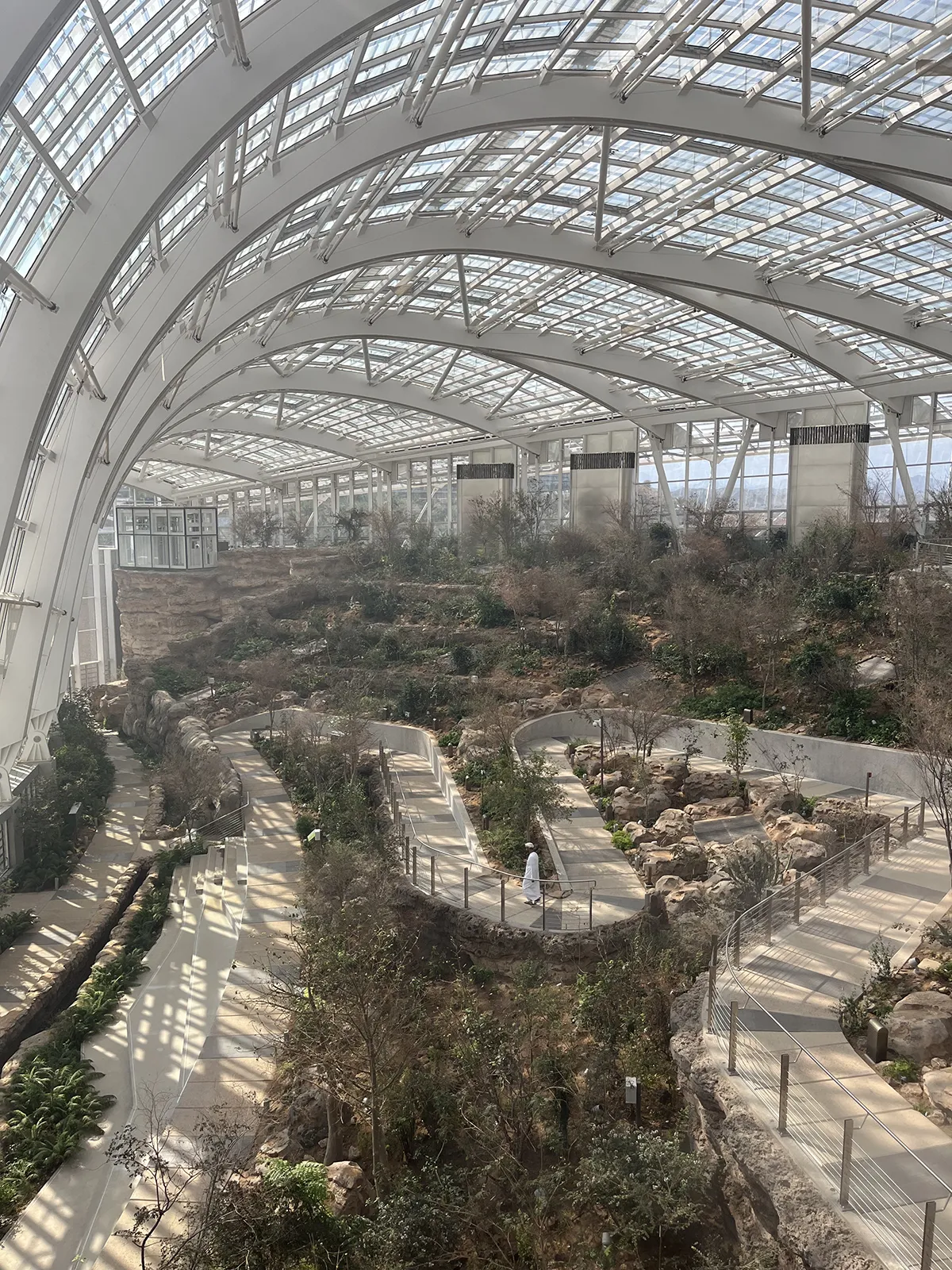
The project was delivered through a highly coordinated workflow that combined landform, infrastructure, planting, buildings and visitor experience within a single integrated model. More than 100,000 plants were individually located, recorded and tracked from seed collection through nursery cultivation to final planting, ensuring scientific accuracy, long-term resilience and educational clarity. This integrated approach was underpinned by sustained collaboration with the client, botanists, horticulturists and local communities. Extensive fieldwork across Oman – from mountain terraces to remote deserts – informed both habitat design and the interpretive narratives embedded throughout the campus. Cultural practices, traditional water systems and ethnobotanical knowledge are embedded within the landscape as lived experiences, reinforcing the Garden’s role as both a scientific resource and a cultural institution.
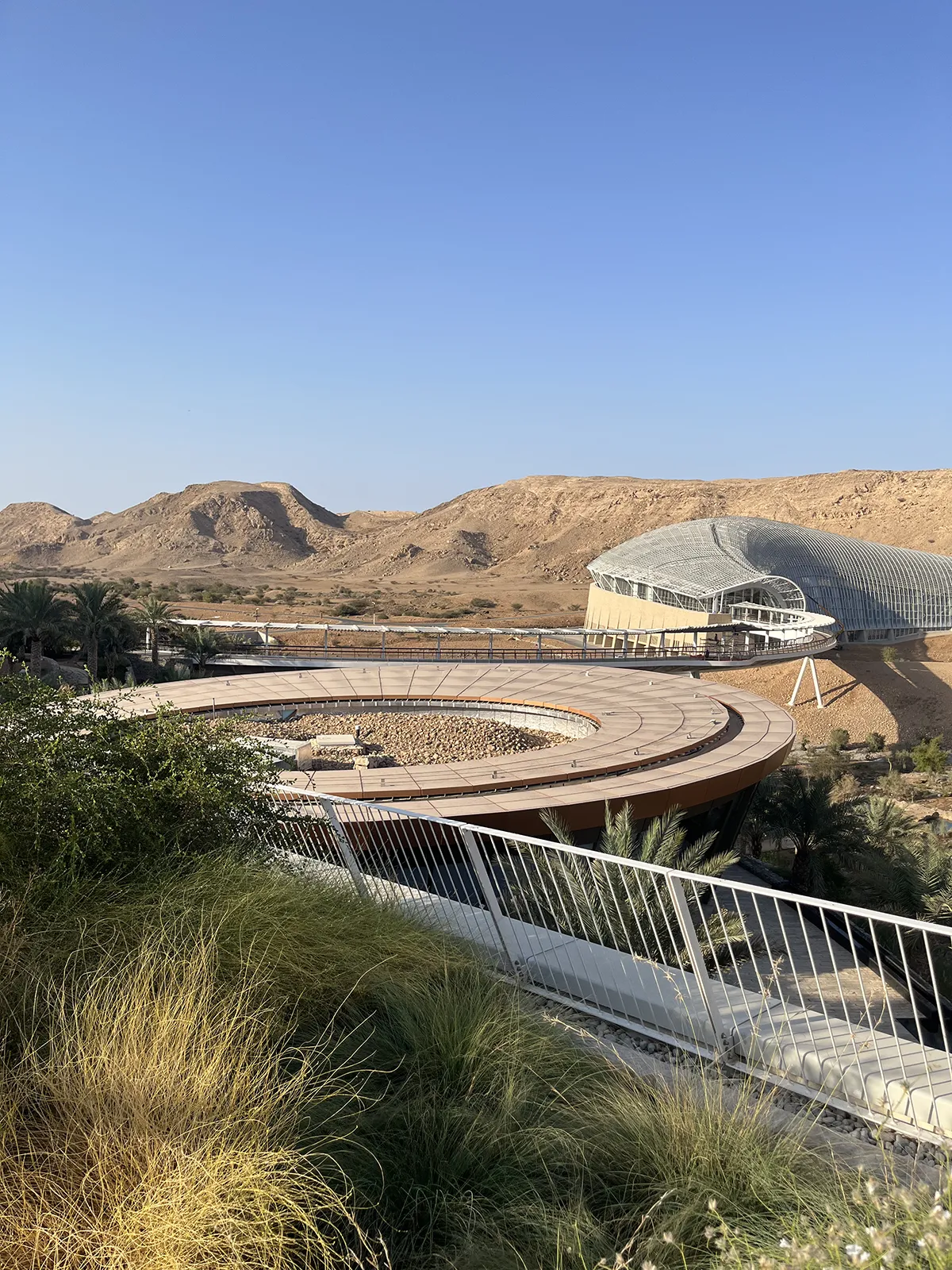
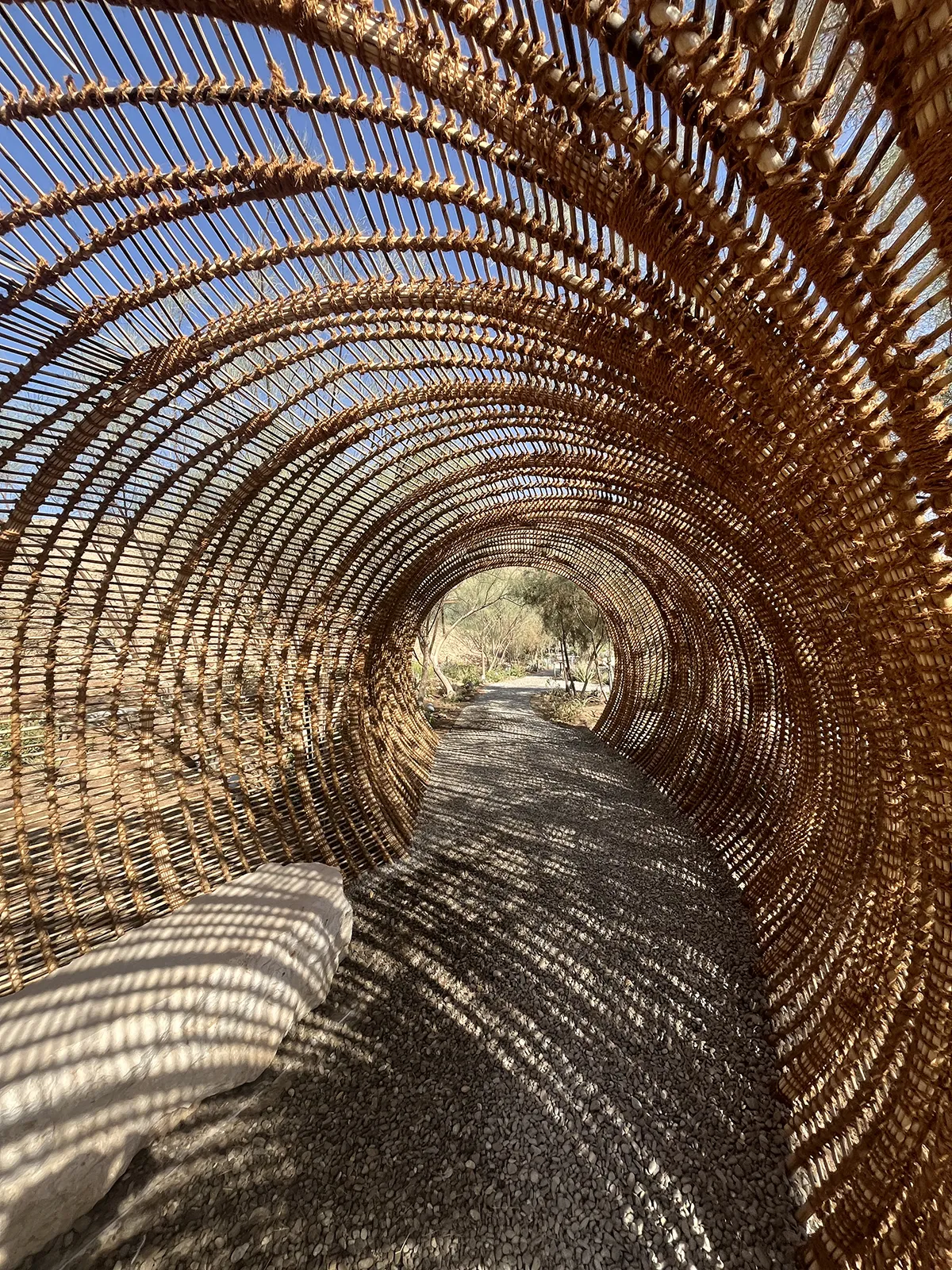
Oman Botanic Garden realises the late Sultan’s cherished ambition for conservation, research, education and public good – his gift to the people of Oman. It combines authentic habitat representation, scientific rigour and public access at an unprecedented scale, allowing visitors to engage with Oman’s unique biodiversity. In doing so, it creates a lasting framework for environmental and ethnobotanical heritage awareness in a region threatened by climate change and intense population growth.
Technical Information
Environmental Accreditation: LEED Platinum certification achieved through an integrated approach to energy, water and environmental systems.
Plant Collection: Approximately 1,000 species representing around 96% of all plant species found in Oman. More than 100,000 individual plants were managed through a bespoke GIS database that linked seed collection, nursery propagation, installation, and long-term management.
Nursery and Propagation: An 8-hectare on-site nursery supports the cultivation of native species, including plants that have rarely or never been propagated outside their natural habitats. Extensive field collection programmes and long-term horticultural trials informed planting design, establishment and conservation strategies.
Water Management: Treated sewage effluent is used as the primary source of irrigation water and contributes to cooling systems throughout the project, significantly reducing potable water demand. Traditional Omani water management systems, including the historic falaj irrigation network, informed both landscape design and interpretation.
Digital Design and Coordination: The project was delivered by over 600 professionals across 40 disciplines using integrated digital workflows combining GIS and BIM modelling. A coordinated digital model was used to manage landform, infrastructure, buildings, utilities and planting across the site.
Biome Engineering: The Northern and Southern Biomes utilise advanced environmental control systems, renewable energy generation, passive shading strategies and high-performance building envelopes to recreate the distinct climatic conditions required for sensitive Omani plant communities. Unlike conventional biomes, these structures are designed to create cool, high-light environments within an extreme desert climate.
Oman Botanic Garden
Location: Muscat, Oman
Design Team:
Arup (Lead Designer)
Grimshaw (Lead Architect)
Haley Sharpe Design (Interpretation Design)
Cowi (Local Delivery)
Image & Text Credit: Arup