
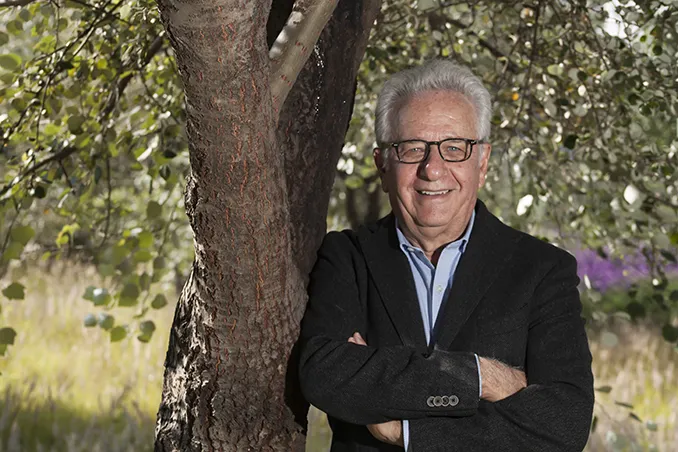
The Cultural Landscape Foundation recently announced that Mexico City-based landscape architect Mario Schjetnan, and the firm he founded and leads, Grupo de Diseño Urbano (GDU), are the recipients of the 2025 Cornelia Hahn Oberlander International Landscape Architecture Prize. Schjetnan and GDU, a landscape architecture, urbanism, and architecture firm founded in 1977, have worked extensively throughout Mexico, Latin America, the Middle East, and the United States.
The biennial Oberlander Prize includes a $100,000 award and two years of public engagement activities focused on the laureate’s work and landscape architecture more broadly. Schjetnan will be a featured speaker in the forthcoming Oberlander Prize Forum Soak it Up: Los Angeles, CA on December 5, 2025. Schjetnan and GDU were selected by an international seven-person jury from more than 300 nominations received from around the world. The Oberlander Prize winner’s qualifications include being “exceptionally talented, creative, courageous, and visionary” and having “a significant body of built work that exemplifies the art of landscape architecture.”
The Oberlander Prize Jury Citation notes: “In a time of rapidly developing megacities and cultural homogenization, Grupo de Diseño Urbano (GDU), founded and led by Mario Schjetnan, is a strong voice for social engagement and environmental justice in tandem with the art of landscape architecture. Their work bridges the ethical and the aesthetic, advocating for access to nature in the city as a fundamental human right.” It also states: “GDU’s portfolio of built work delivers tangible impact and a model for delivering public landscapes as essential infrastructure in a rapidly urbanizing world—home to more than half of the world’s population.”
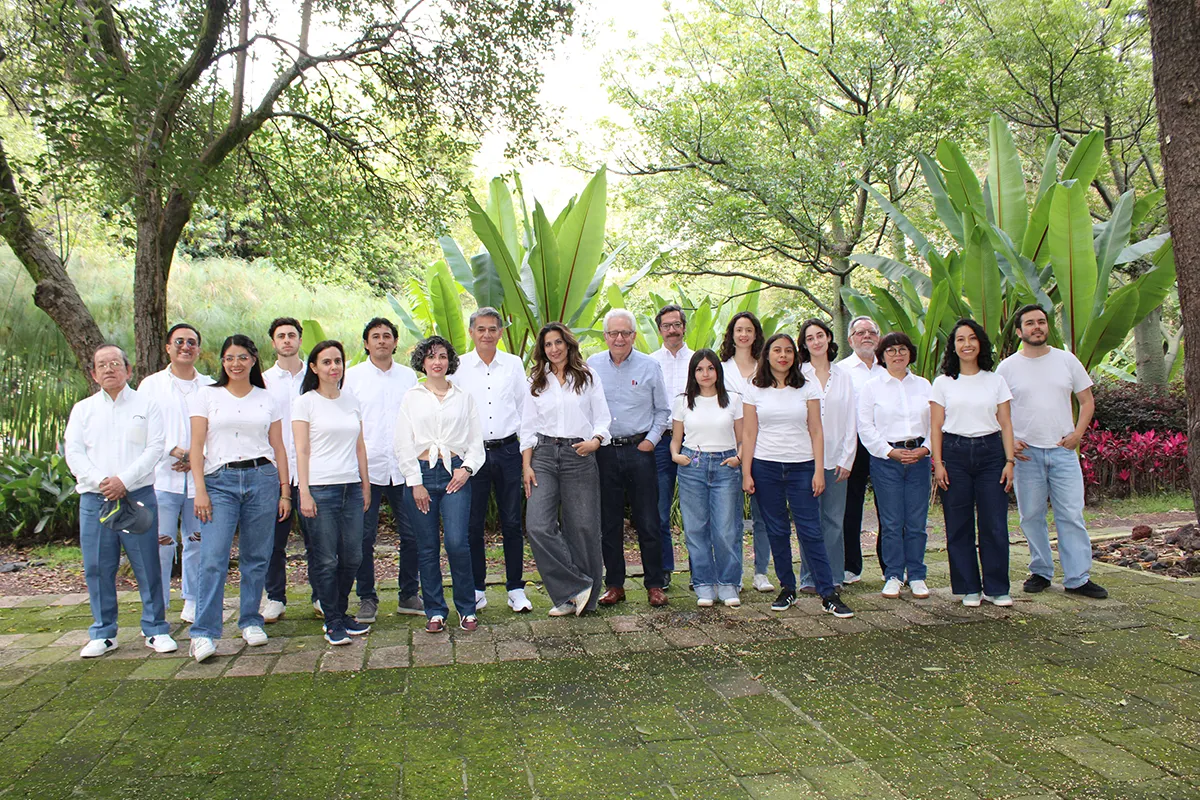
Mario Schjectnan, the founder of Grupo de Diseño Urbano (GDU), has an undergraduate degree in architecture from the National Autonomous University of Mexico (UNAM) (1968), and a Master of Landscape Architecture from the University of California, Berkeley (1970), and he was awarded the Loeb Fellowship from the Harvard University Graduate School of Design (1984) to pursue advanced environmental studies. In 1995 the Universidad Autónoma de Nuevo Léon awarded him an Honorary PhD in Architecture, and in 2025 the Universidad Autónoma de Baja California also awarded him an Honorary PhD in Architecture.
Schjetnan is part of a generation of landscape architects, architects, and urbanists who became aware of the environmental impact of urban development and its consequences on life, the planet, and its inhabitants. He created new theories and practices for the design of cities based on environmental knowledge, cultural memory, and consideration for the inhabitant’s quality of life, well-being, and a new ethical and aesthetic relationship with the environment.
“For more than 50 years, Mario Schjetnan’s unwavering commitment to the idea of a human right to have access to open space and the necessity for incorporating cultural values in his work have served as foundational requirements in shaping and managing an equitable built environment for all. For many decades, Schjetnan he has held numerous academic appointments, and he and GDU have created a diverse and innovative body of projects, and advanced theories and initiated actions for creating a more just public realm.”
Charles A. Birnbaum, TCLF’s President and CEO
Two of Mario Schjetnan notable projects include
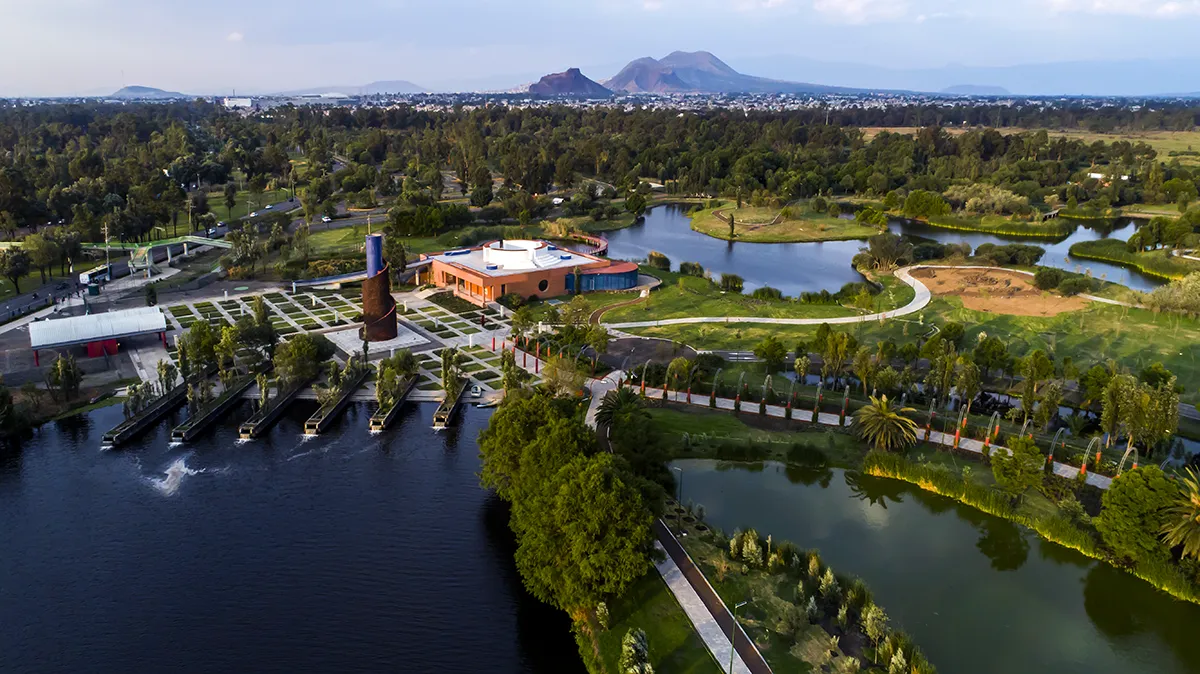
Xochimilco Ecological Park – From 1990-93 GDU created this 684-acre park, with an 1,400-stall flower and plant market, which layered interpretation, recreation, nature preserve, and passive spaces into a larger 7,413-acre cultural landscape, and UNESCO World Heritage Site, distinguished by lagoons and chinampas—an ancient agricultural system of floating, artificial islands (chinampas). GDU restored this cultural landscape while designing a complex hydrologic system of navigation, sanitation, and stormwater management and birth sanctuary.
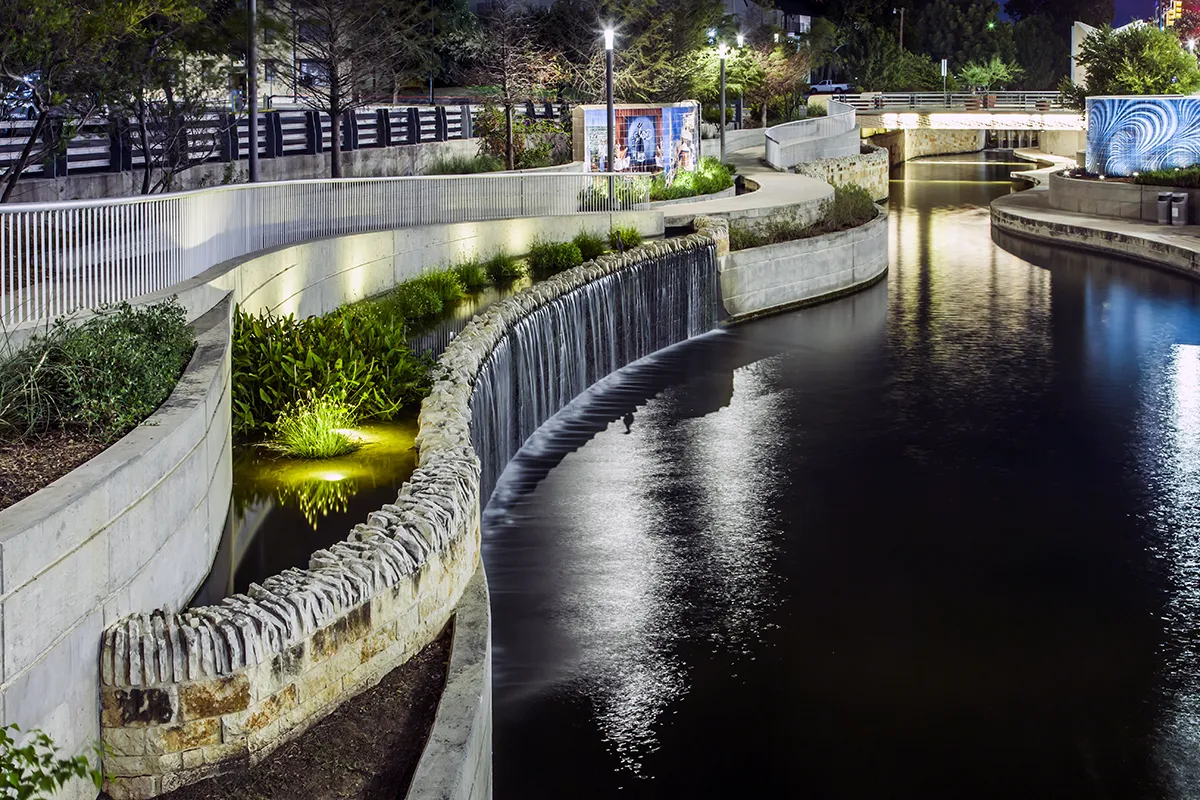
San Pedro Creek Culture Park – San Antonio, TX. A concrete-lined drainage ditch that serviced stormwater runoff in the city’s historic center and “Zona Cultural” was transformed into a linear park that gently curves south from North Santa Rosa Street to the Apache Creek. The watercourse is lined with limestone and flanked by curvilinear walkways, tiled benches, and local artists’ murals that capture the city’s history and historic figures. Immediately south of the flood control inlet at Santa Rosa Street, the Plaza de Fundación symbolizes the birth of water through “Rain from the Heavens” fountain, which flows southward to a sequence of various waterfalls, ponds, and irrigation ditches.
For more information about the Mario Schjetnan and the 2025 Oberlander Prize go to https://www.tclf.org/prize