
A masterplan and garden series reweaving time, memory, and seasonal performance into Beijing’s premier residential landscape.
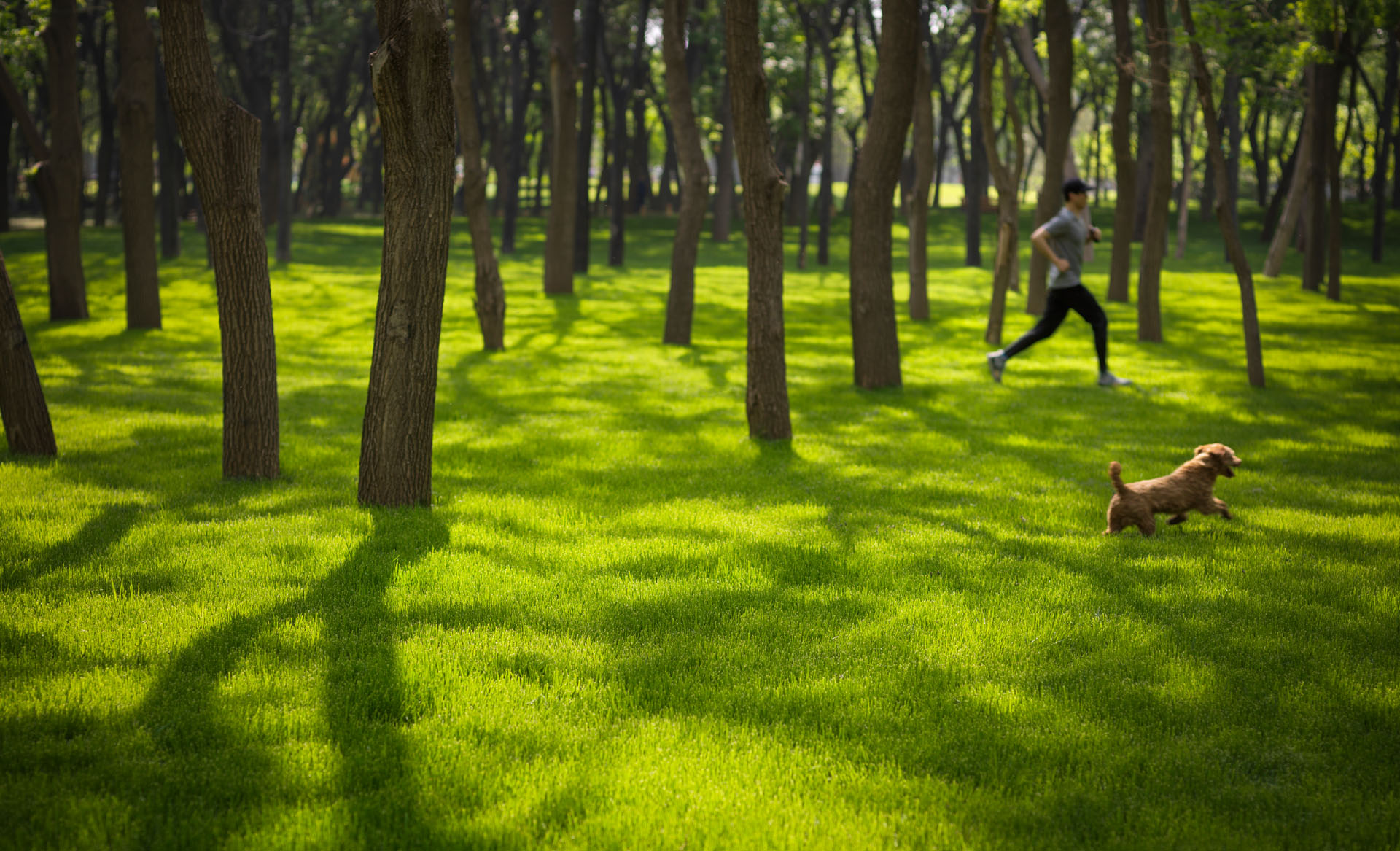
Tucked along the northern edge of Chaoyang Park, within Beijing’s dense Fourth Ring Road, the MAHA Residences presented a landscape challenge as intricate as the city’s own layered urban memory. A misaligned assemblage of occupied towers, vacant high-rises, club buildings, and classical gatehouses—some Roman, others Chinese—stood loosely scattered across the site. Fragmented landscape elements, including a scaled imperial garden and a maturing artificial forest, had grown into an accidental palimpsest. The landscape and masterplan dissolve this spatial confusion not through erasure, but through deliberate weaving—threading together the architectural and horticultural fragments into a legible, luxurious, and seasonally expressive whole.
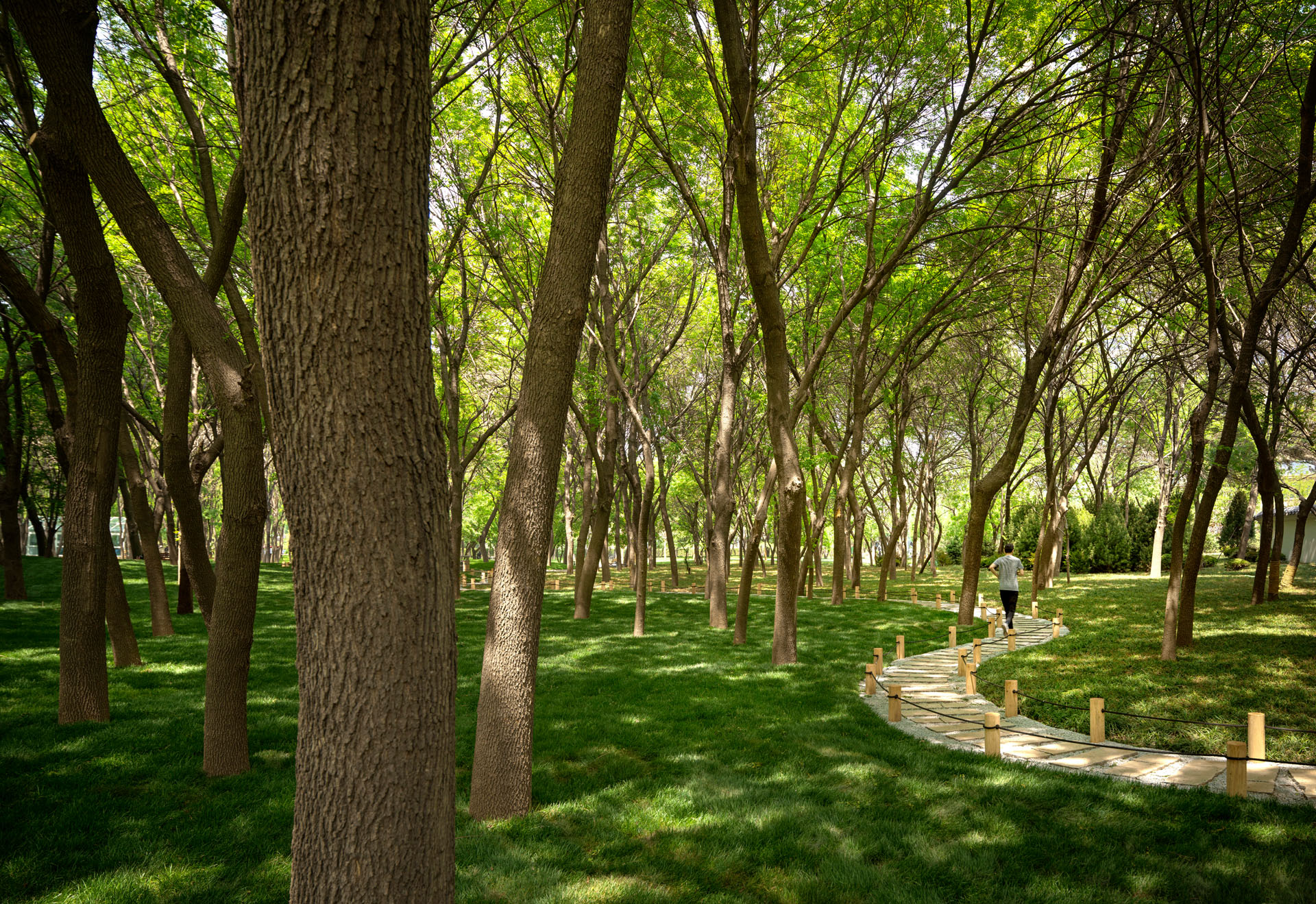
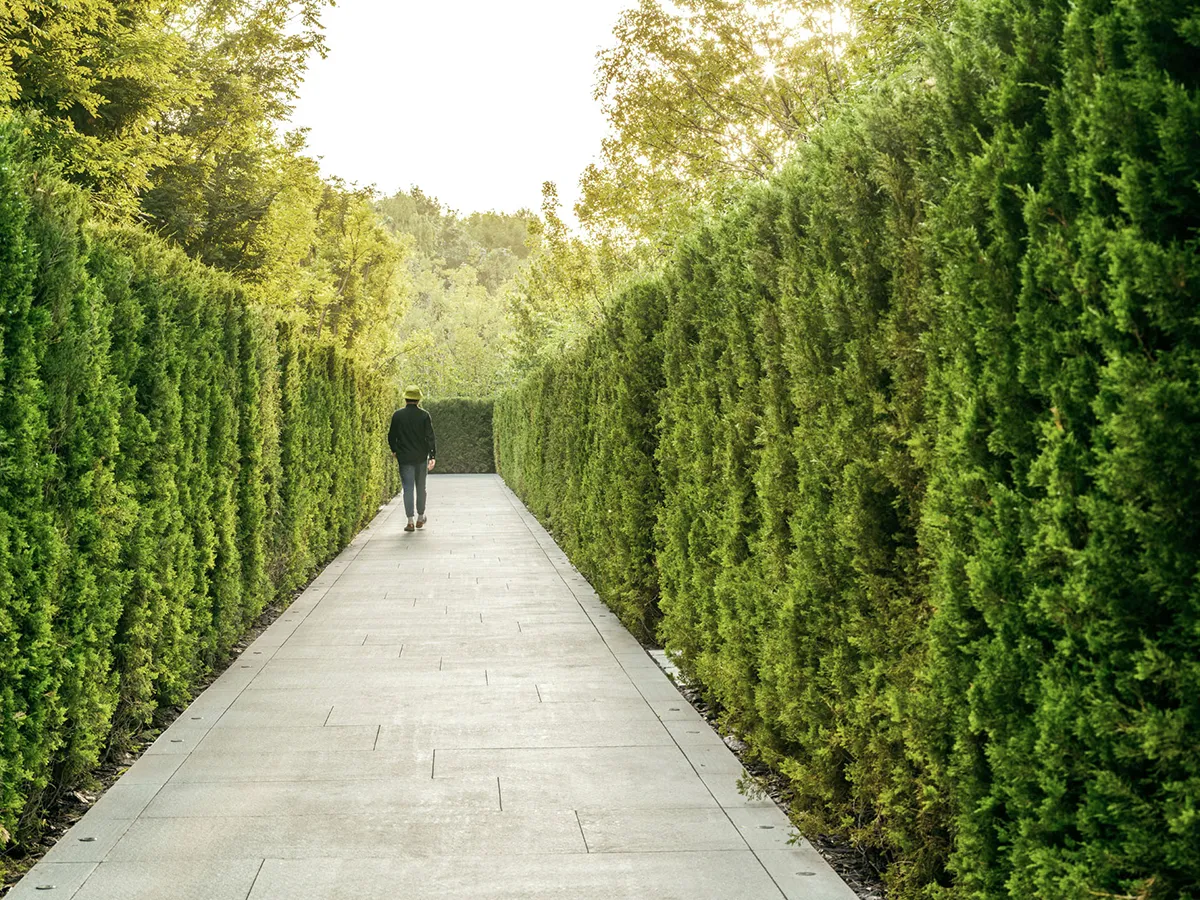
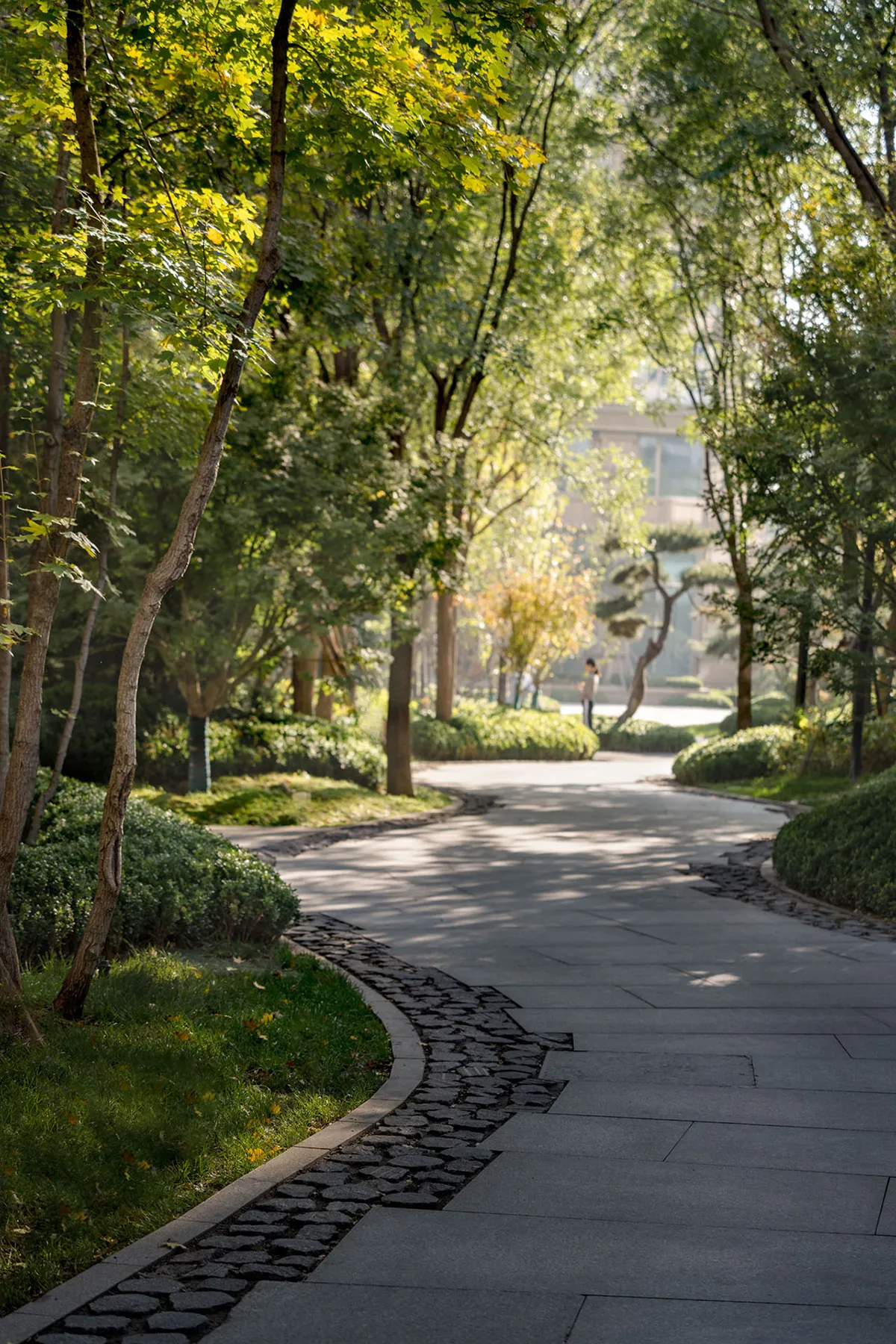
The design reframes landscape as a vehicle for temporal continuity rather than stylistic resolution. Instead of flattening the site into a single aesthetic or epoch, the landscape draws upon its multiplicity to generate a slow rhythm of discovery. New interventions do not compete with existing features, but guide them into a more deliberate sequence—converting formerly residual spaces into functional, connective ones. A unified circulation network threads through the site, connecting towers, public thresholds, and private gardens in a loop that blurs transition and arrival. This network is buffered by a sequence of seasonal gardens, each defined not by style but by temporal attitude.
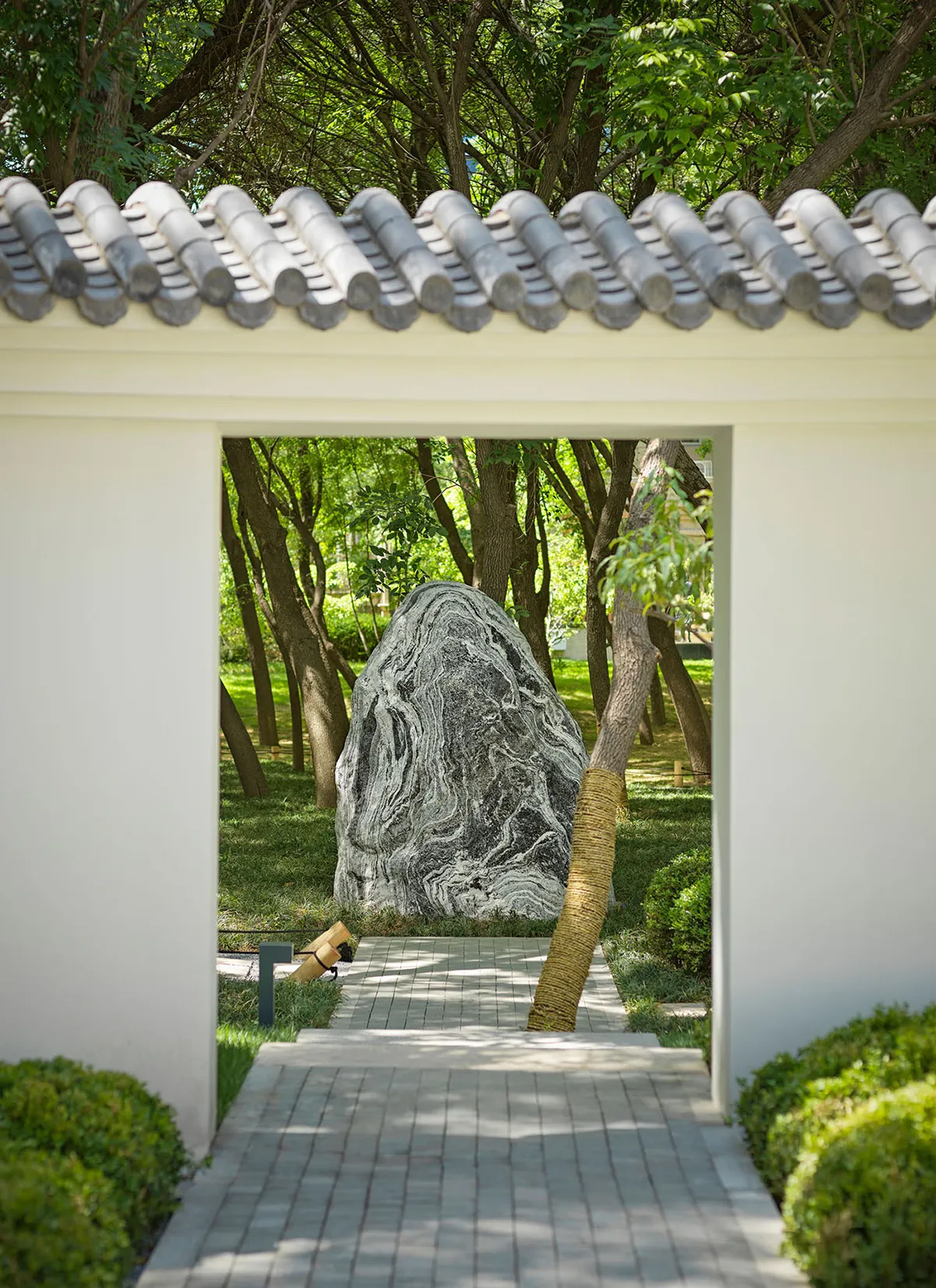
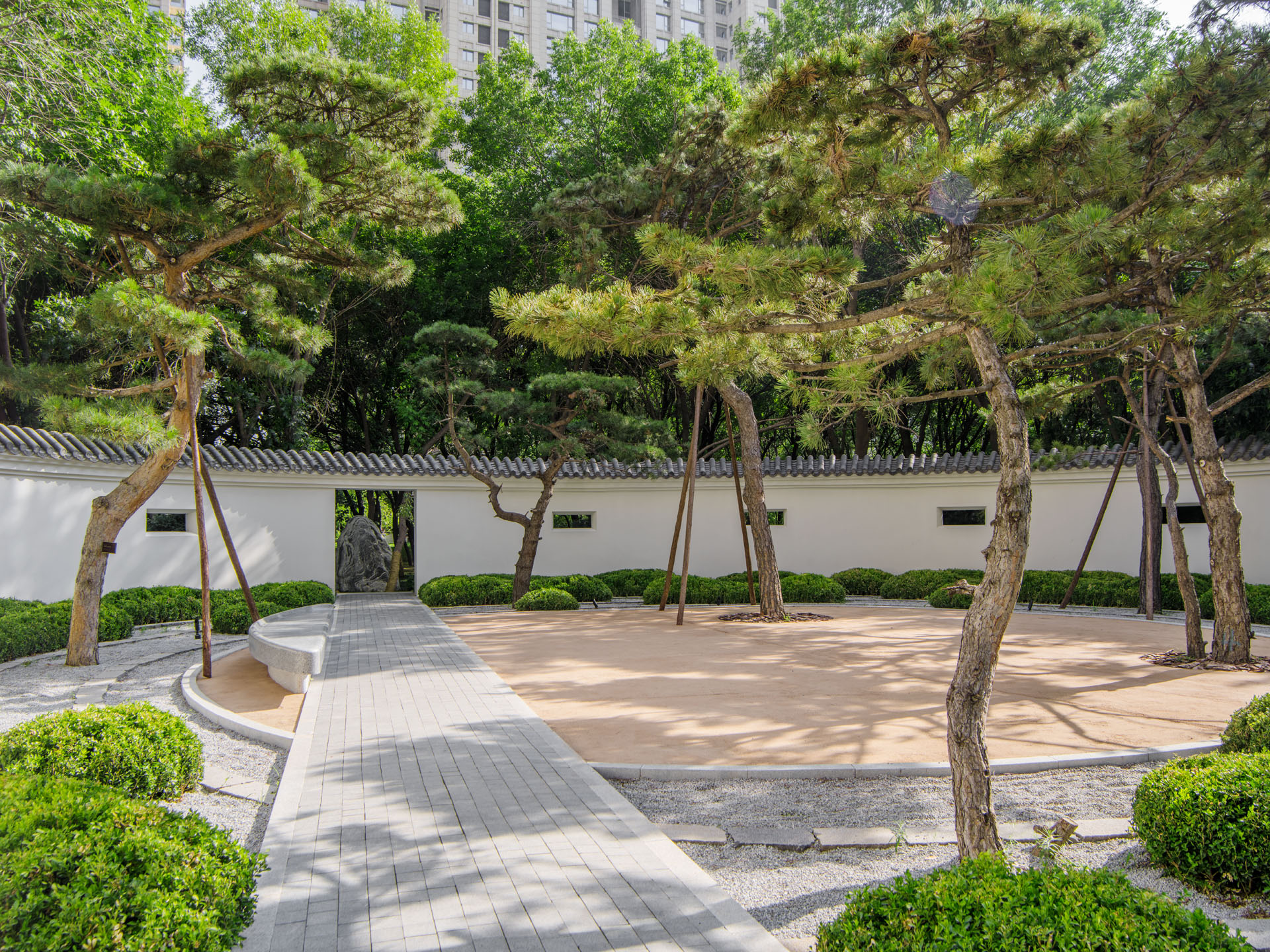
A Winter Garden, enclosed by a low classical wall, stands evergreen against the gray expanse of Beijing’s longest season. Summer brings the draping textures of wisteria and lily canopies, while autumn fires through the leaves of maples and red dogwood. Existing vegetation was not removed, but re-edited. Pines were imported from the foothills of Taishan and grafted into the site, anchoring new growth with cultural and ecological gravity. The landscape’s plant palette was carefully restructured for year-round expression, balancing native species with symbolic specimens—so that even the act of walking from tower to tower becomes a journey through color, scent, and time.
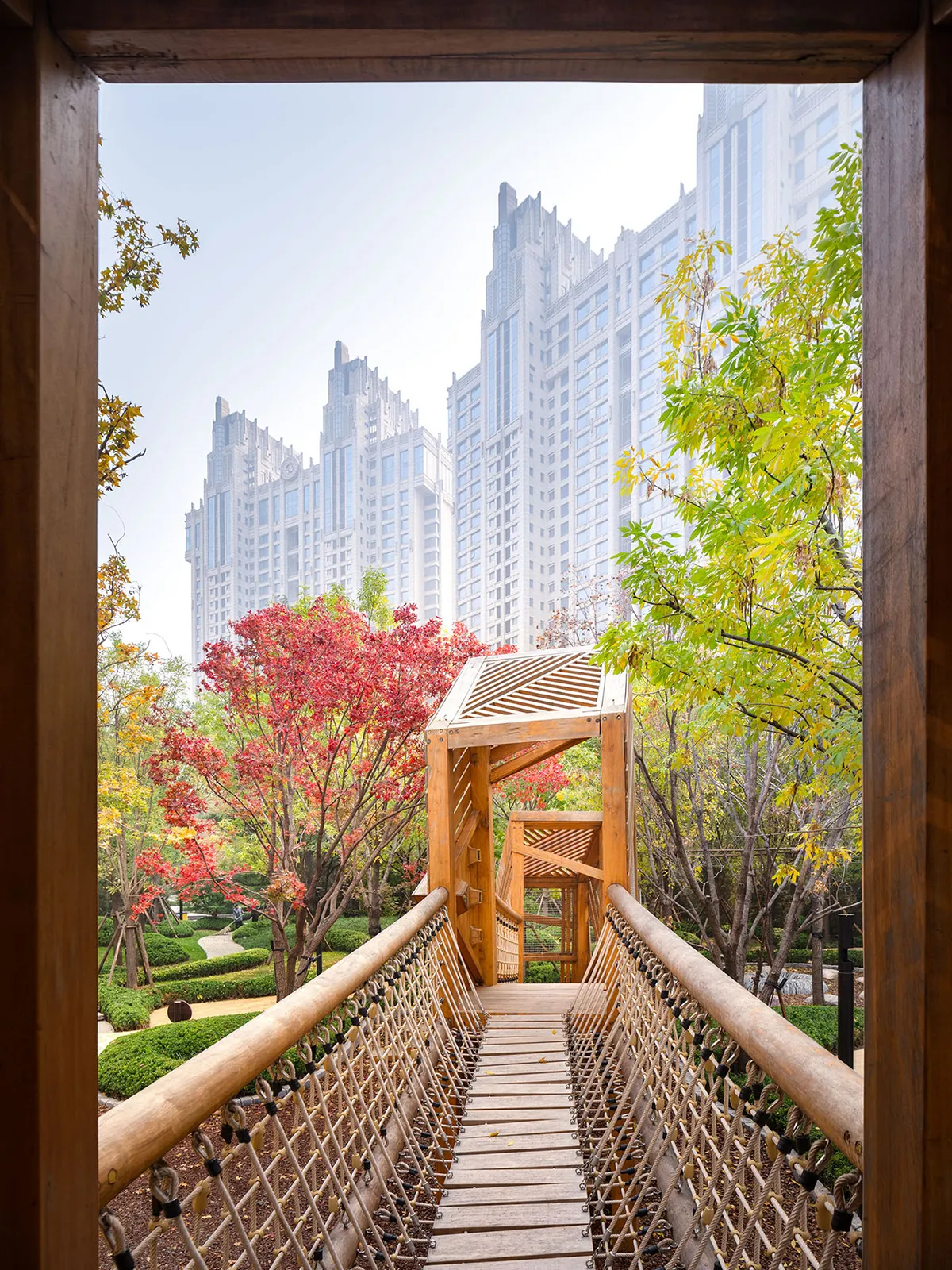
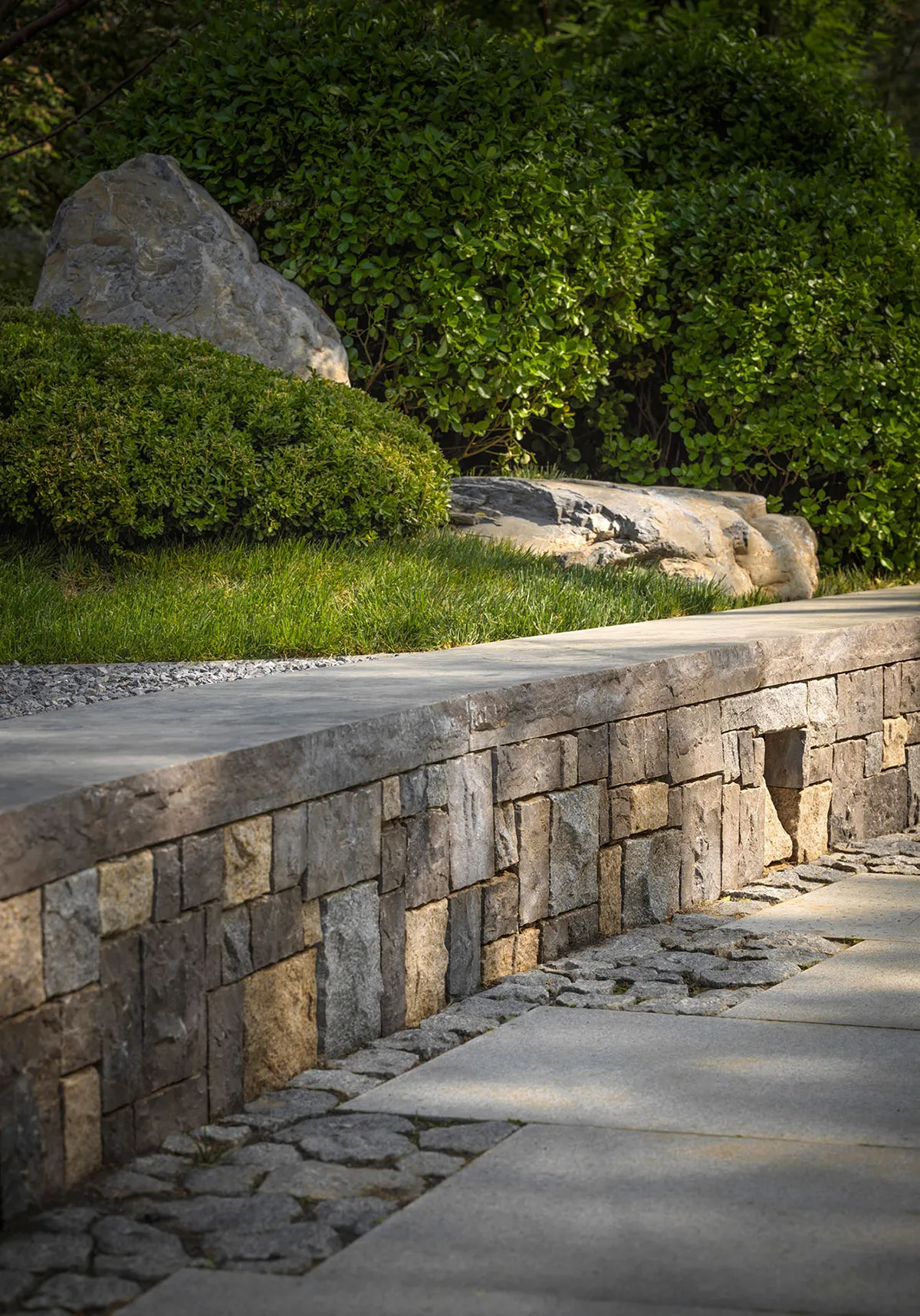
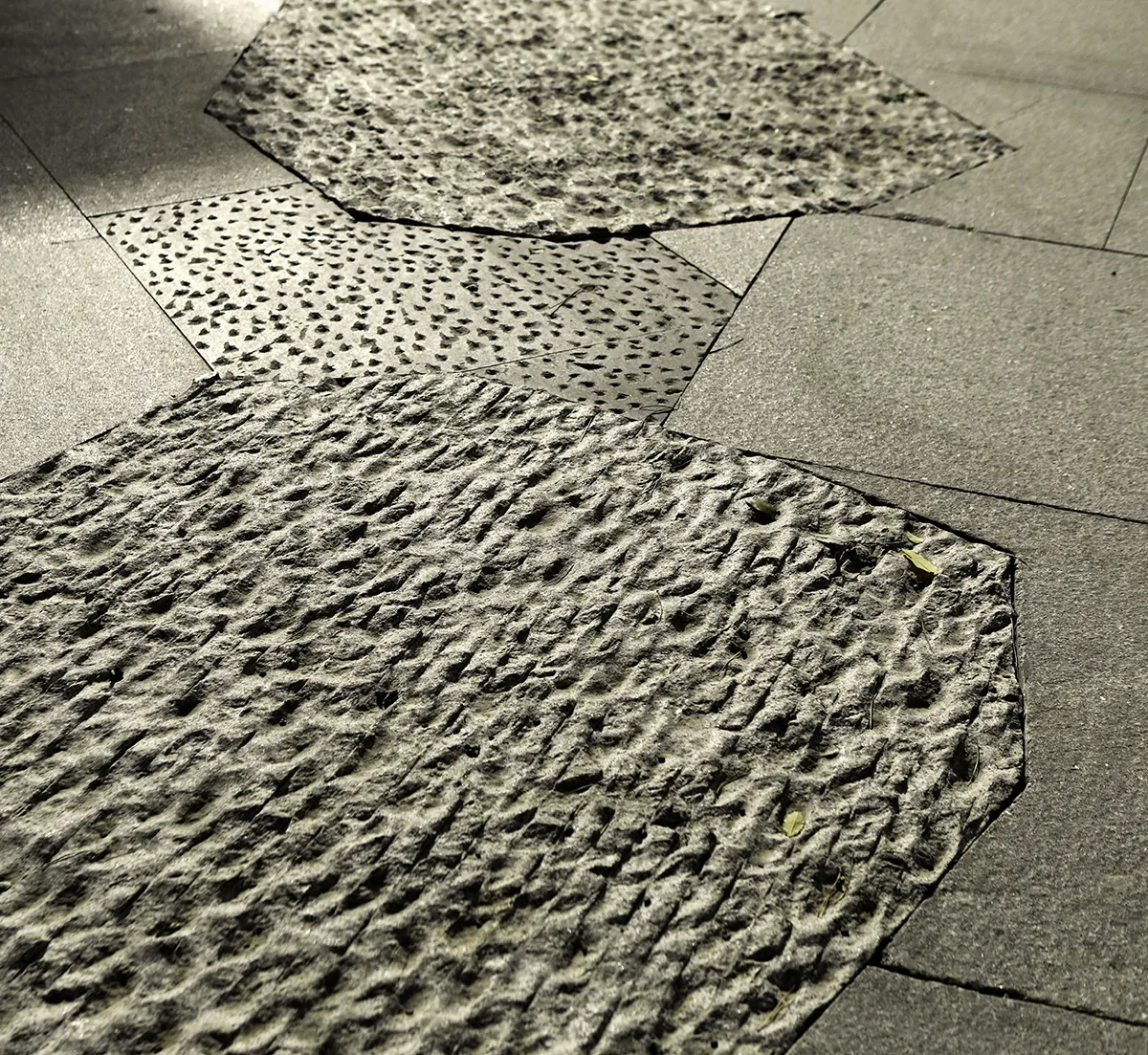
Luxury here is not rendered in gold leaf or rare stone. Instead, it is a function of duration. A mature landscape is one that holds the imprint of decades—not only of planting, but of anticipation. By embracing time as its primary material, the MAHA Residences recast the idea of luxury for a Beijing in transition. Rather than opposing history or nostalgia, the design leverages them. New pathways emerge from old thresholds. Ancient garden techniques find expression in minimalist gestures. And through the layering of past and future, MAHA becomes more than a redevelopment—it becomes a living archive, a seasonal theatre, and a long-form narrative of urban renewal.
MAHA Residences Beijing
Location: Beijing, China
Landscape Architect: Ballistic Architecture Machine (BAM)
Photography: Jonathan Leijonhufvud, Amey Kandalgaonkar, Lin Banye, Wu Qingshan
MAHA Residences Beijing was shortlisted in the 2025 WLA Awards