
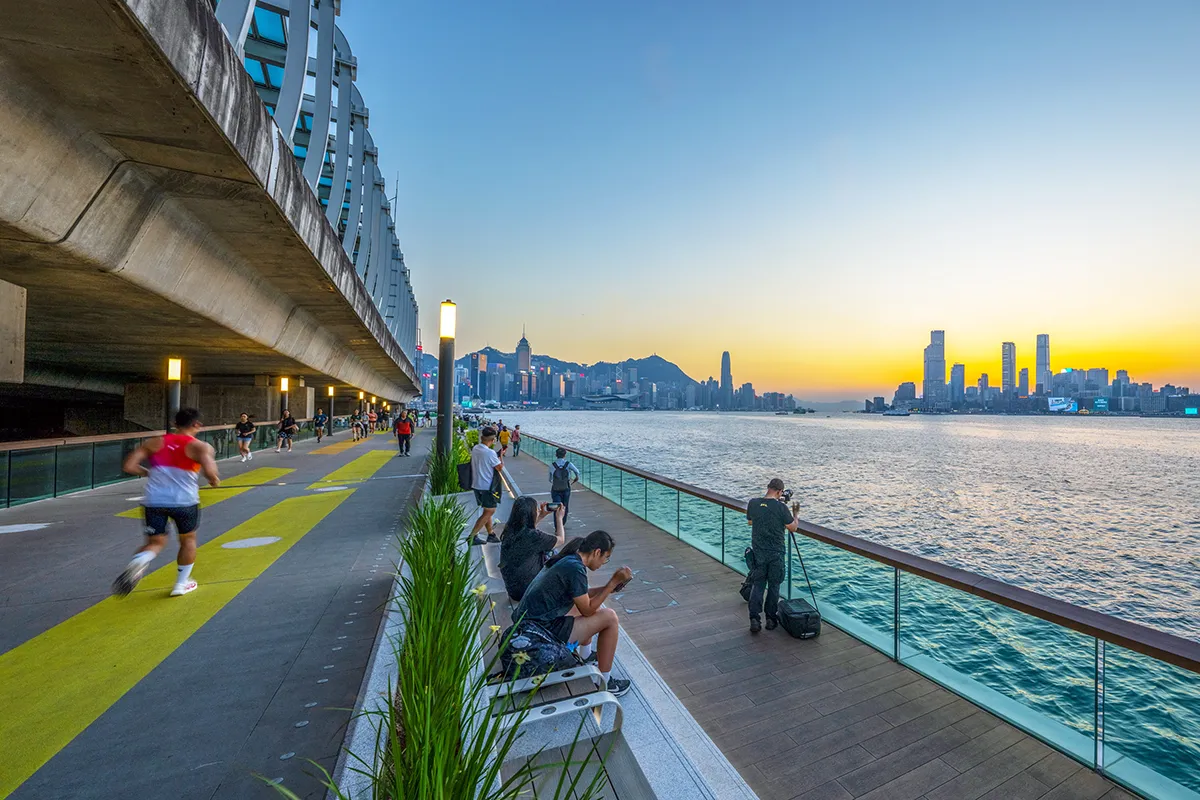
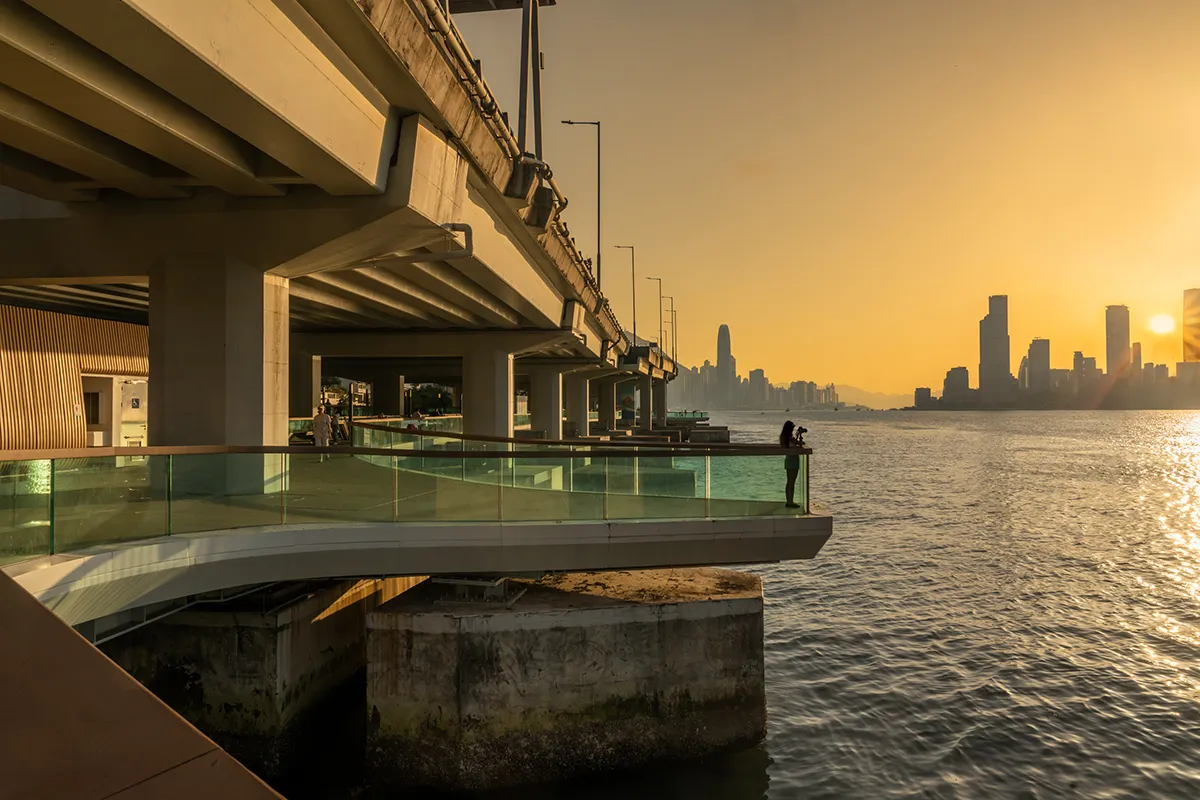
The 2.2 km East Coast Boardwalk (the Boardwalk) in Hong Kong revitalizes unused space underneath the Island Eastern Corridor (IEC) into a multi-functional public realm. It functions as more than transit infrastructure but social hub that reknits the neighbourhood, completing Hong Kong Island’s 13km harbourfront continuum and bringing visitors closer to the Victoria Harbour, as a precious asset in Hong Kong.
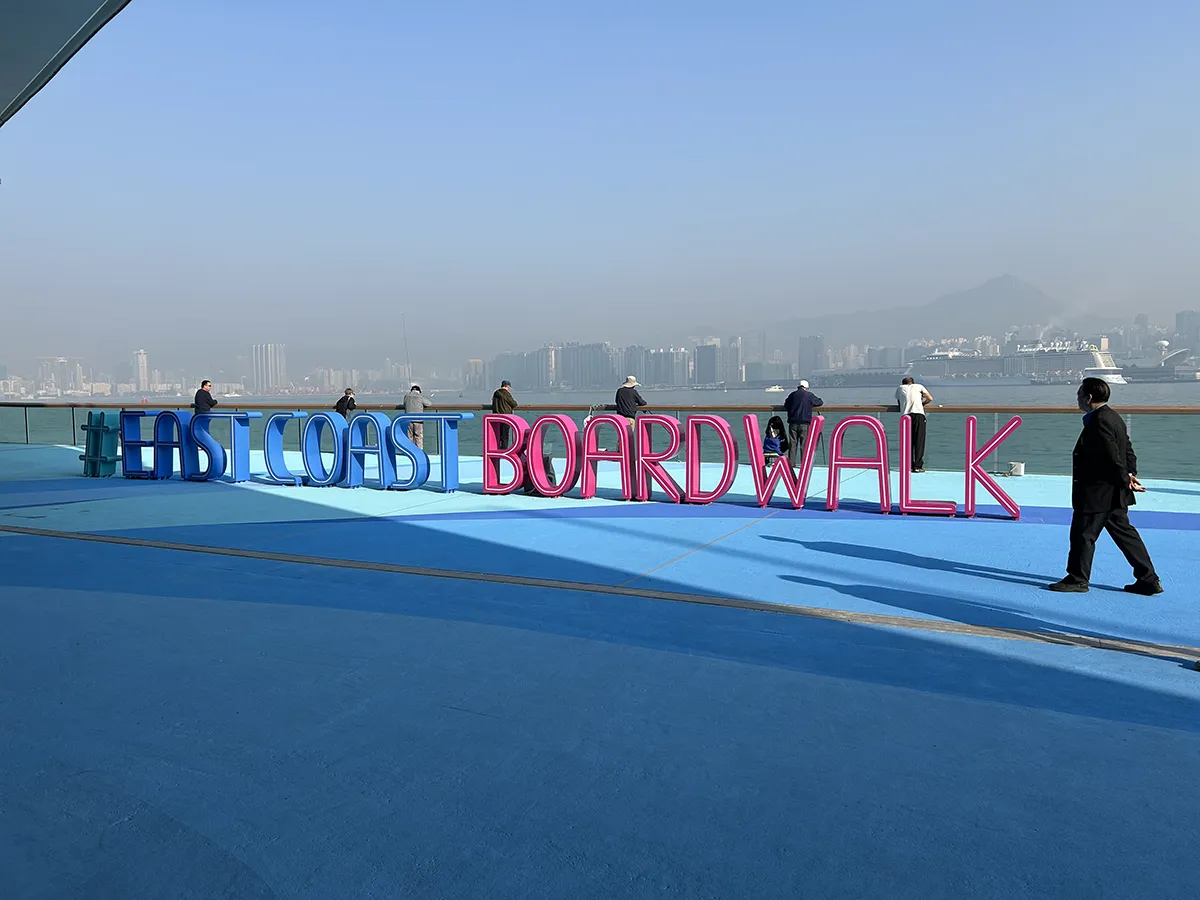
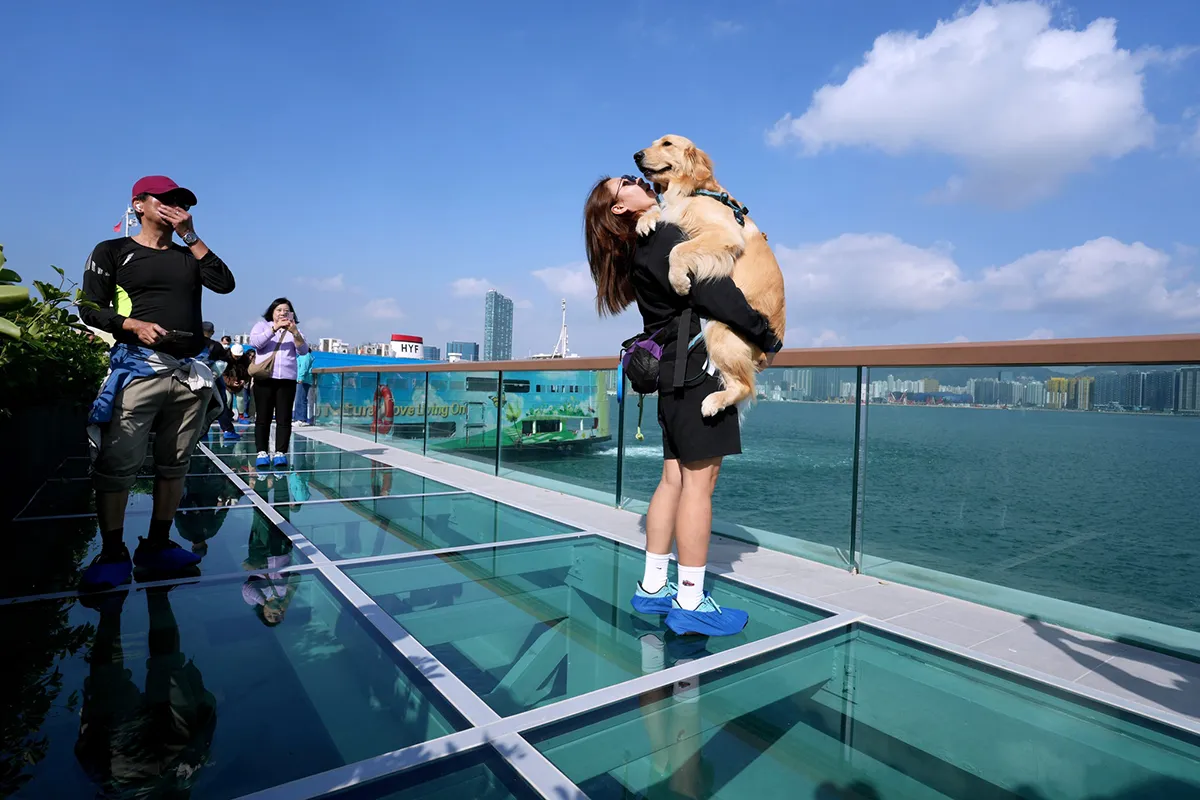
Adopting the “City Waves” design concept, the Boardwalk echoes the rhythm of ocean waves and the city’s vibrant energy. It is divided into eight themed zones: Sun Wave, Play Wave, Fish Wave and Gather Wave in the western section, and Pet Wave, Sky Wave, Art Wave and Wave Hub in the eastern section. Each zone highlights its distinct characteristics through custom-designed spaces, with feature facilities including cascade seating, children’s play area, fishing platform, glass viewing deck, harbor-viewing platforms, as well as versatile open spaces for exhibitions, art displays and community events. These themed zones and amenities create a dynamic and engaging pedestrian experience as visitors stroll along the corridor, making this 24-hour venue a popular destination for all.
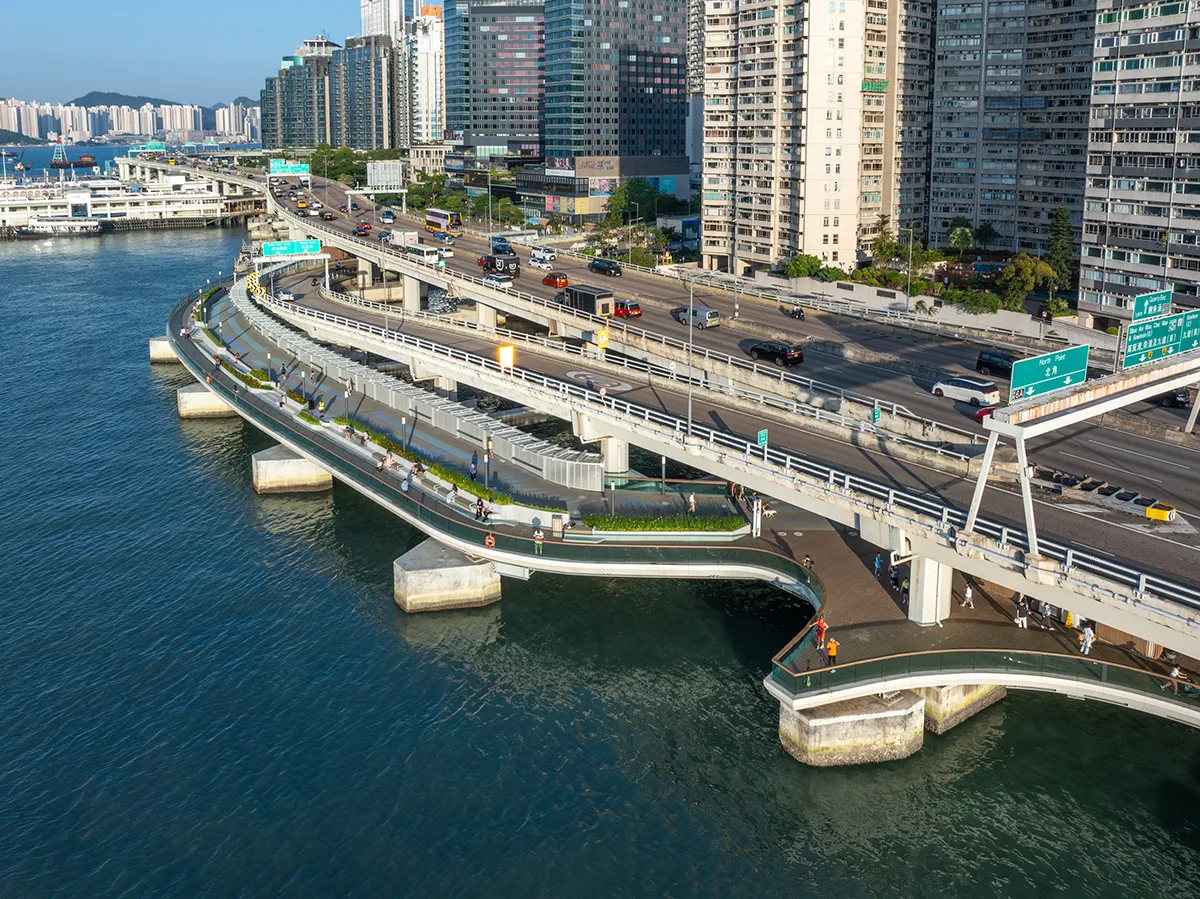
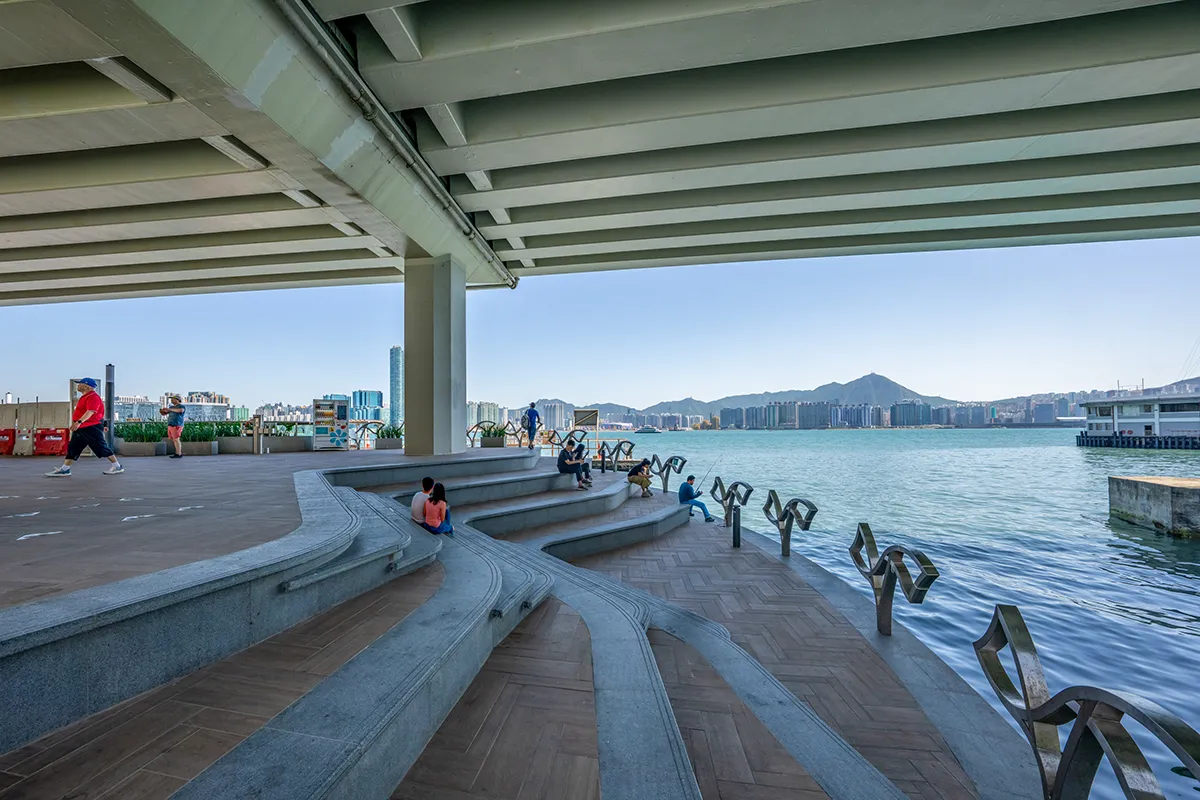
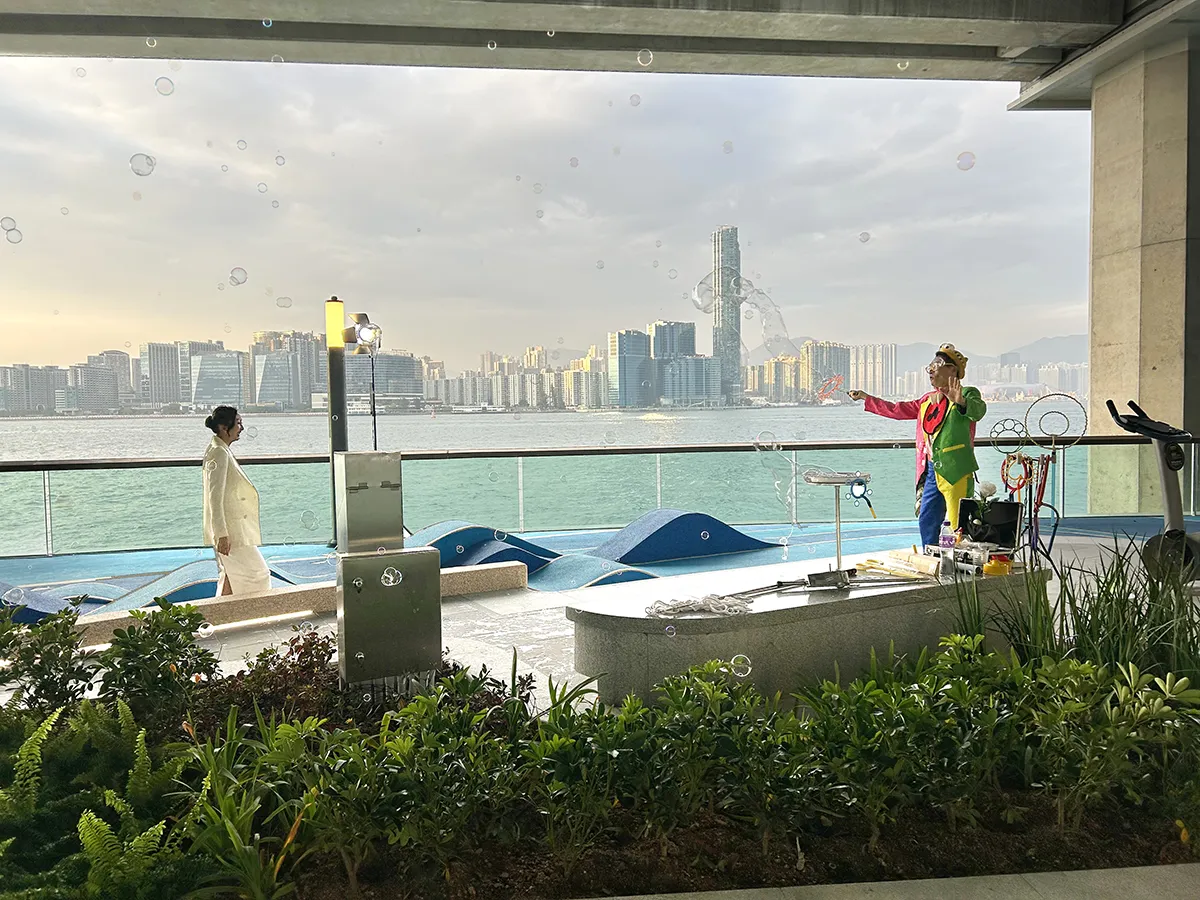
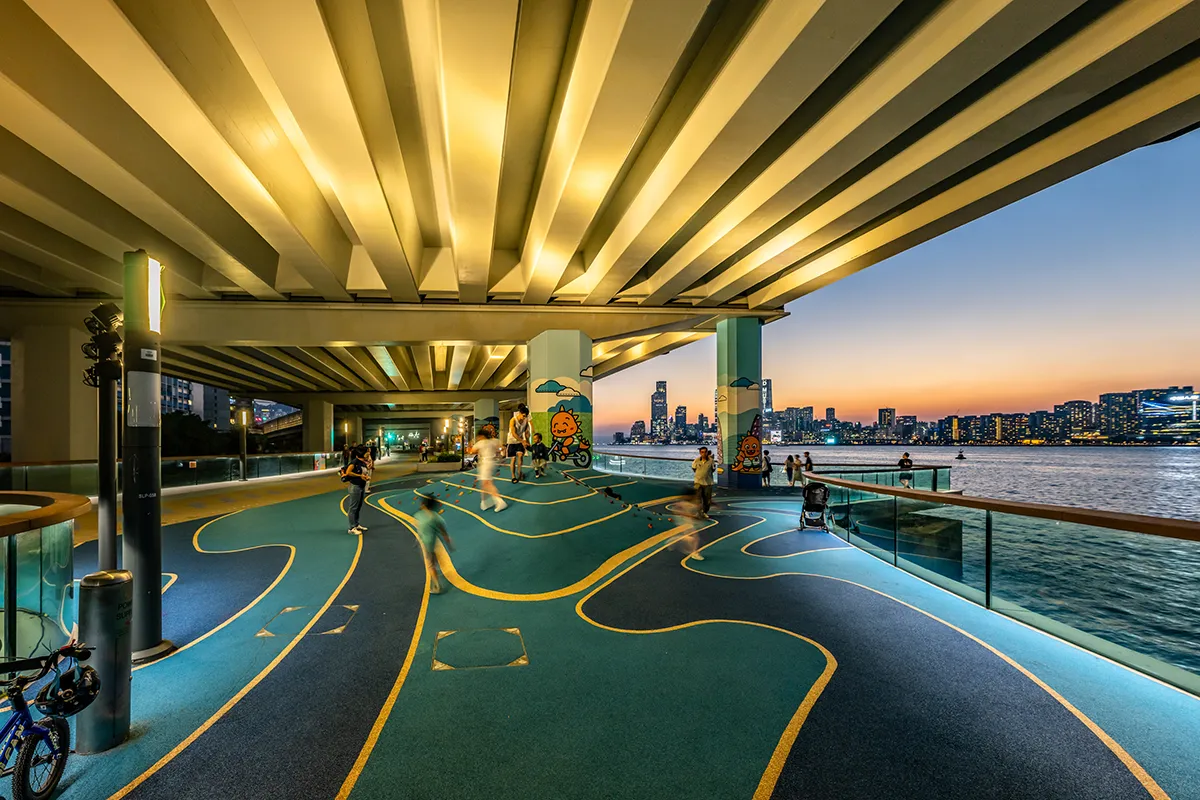
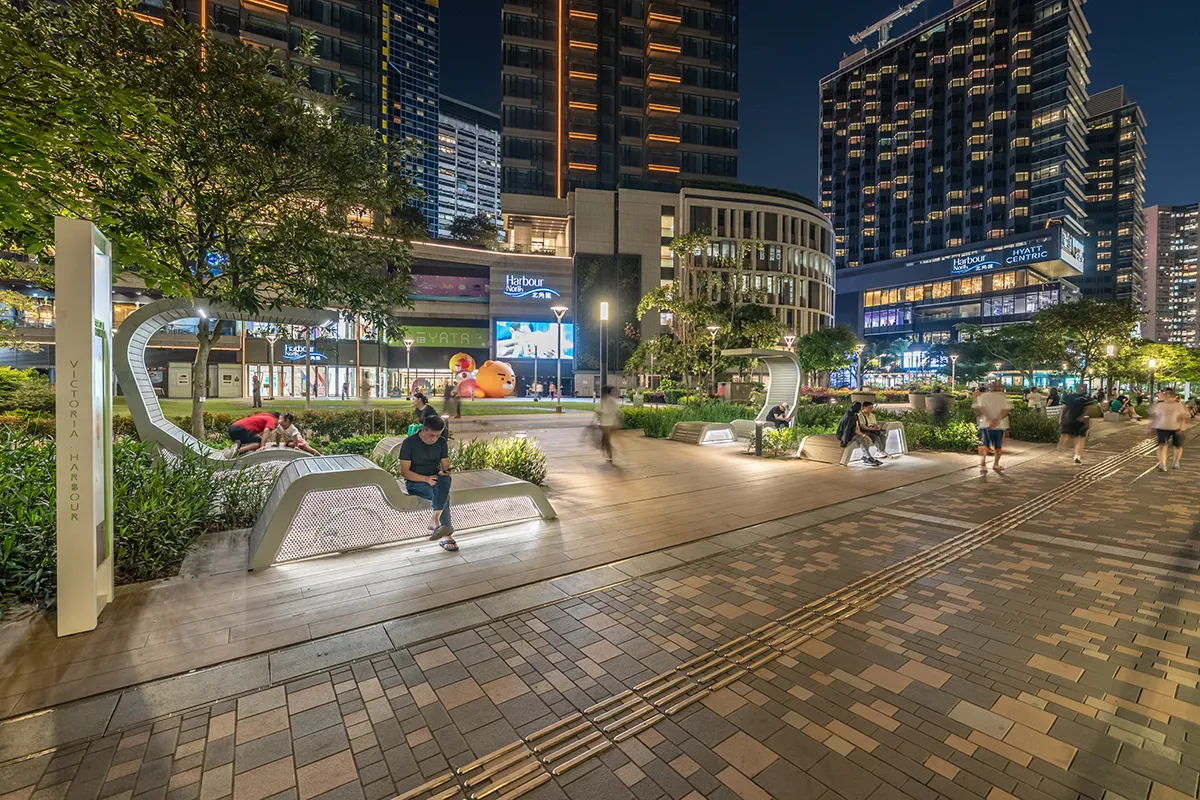
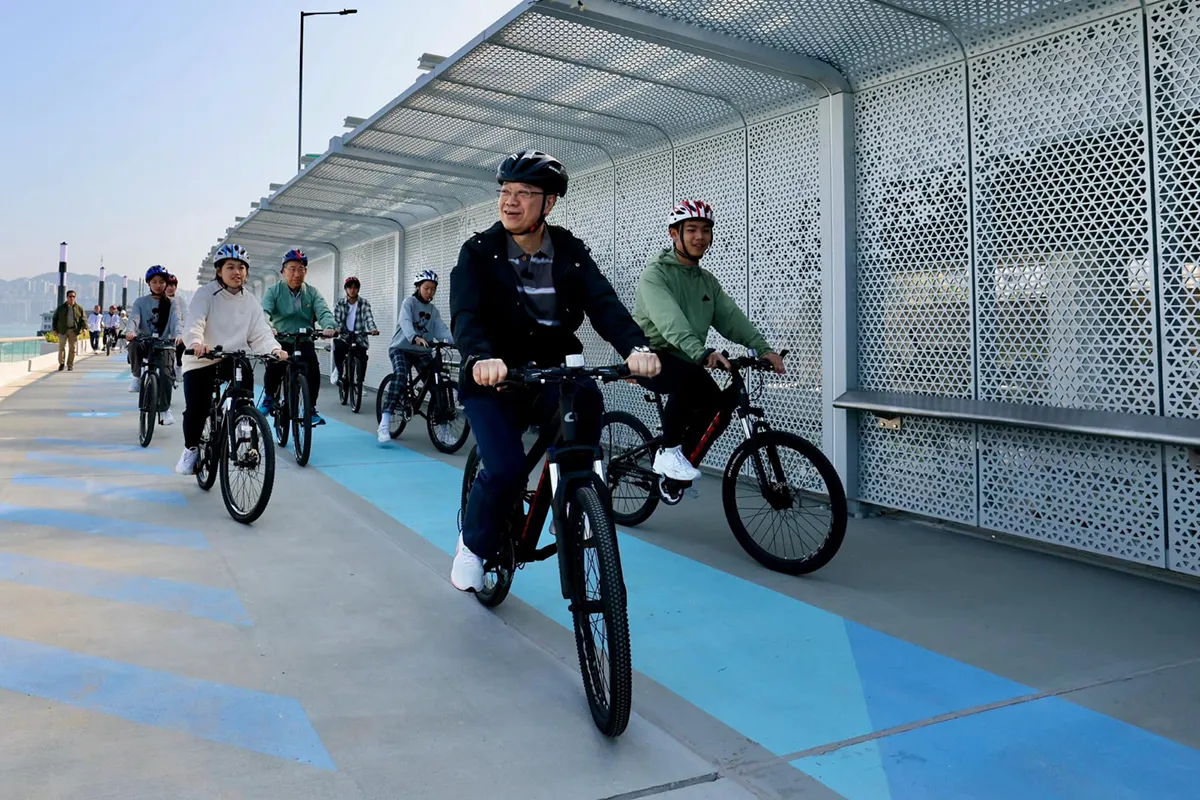
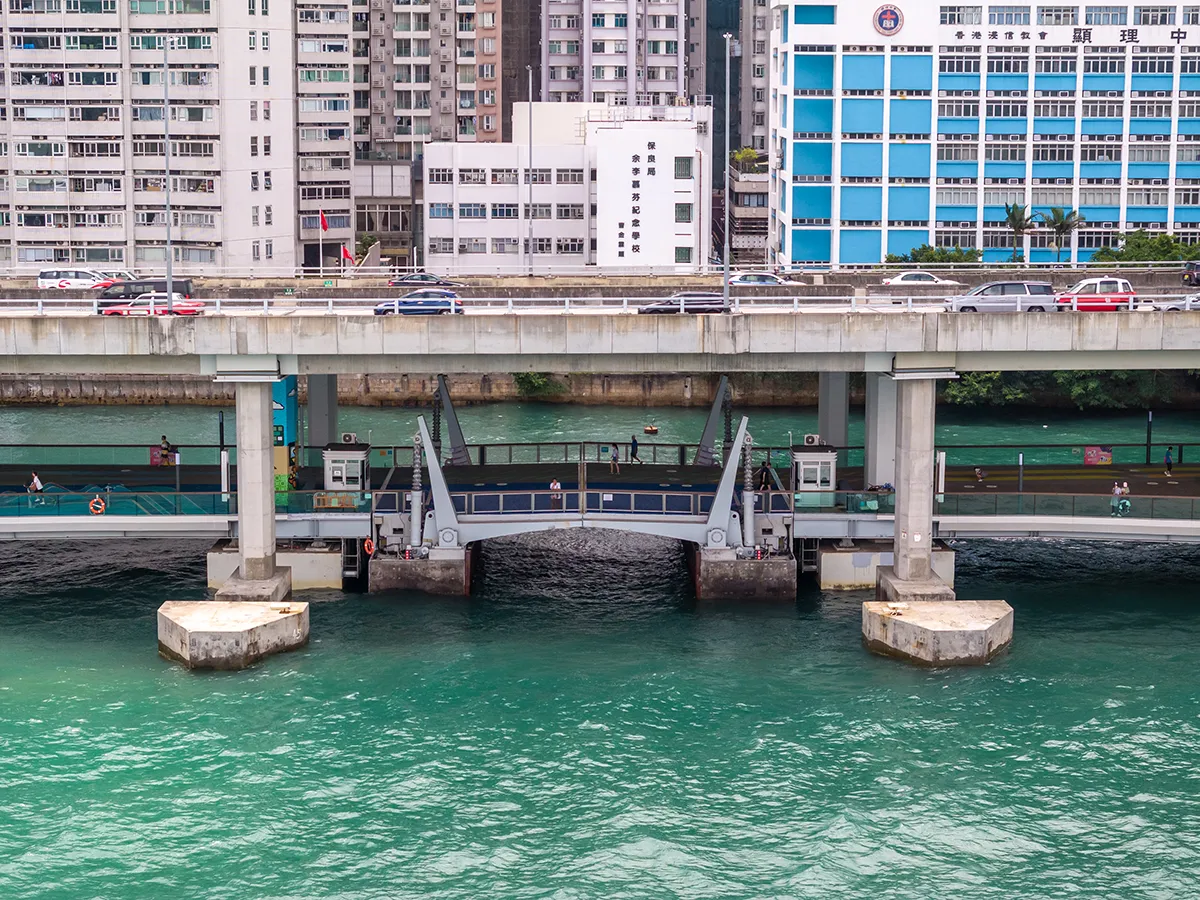
Moreover, unlike the traditional way of having a dedicated cycling track, the Boardwalk introduces a relatively new concept in Hong Kong by providing a leisure zone and a shared path. The leisure zone provides space for visitors to pause and relax, while the shared path allows active movement for pedestrians, joggers, cyclists and other user groups. This approach efficiently utilizes public open space and integrates cycling routes into the existing urban context. Another innovative and iconic feature is the movable bridge inspired by seabirds in flight, forming elegant physical connections while enabling flexible passage for small vessels for operational need.
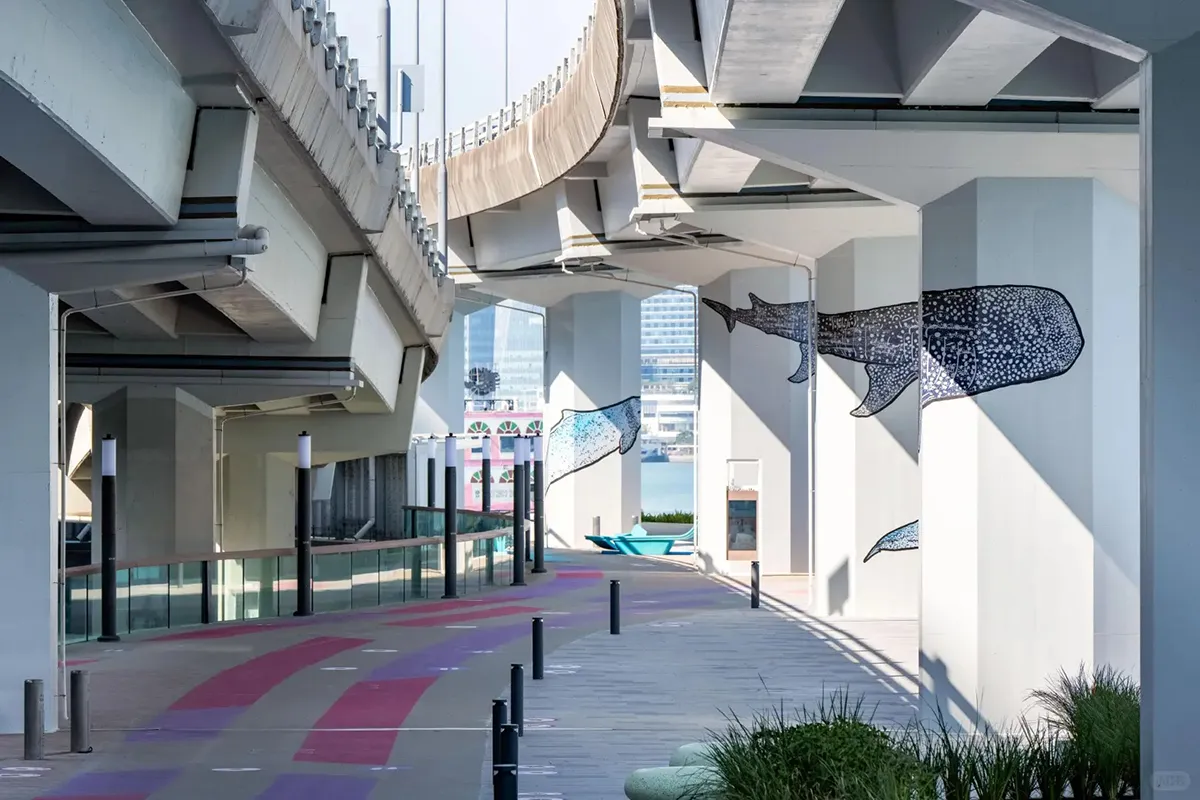
The Boardwalk also represents a collaborative effort between the Government, the Harbourfront Commission and the public, balancing views by various stakeholders. For example, in response to public demand on accessibility, 9 access points are provided along the Boardwalk, allowing convenient access from 3 MTR stations and North Point Ferry Pier.
Overall, more than a transit corridor, the Boardwalk operates as social infrastructure – layering new experiences onto existing harbourfront rituals. It has redefined urban resilience by transforming engineering into joy, setting an international benchmark for urban regeneration and establishing a seamless slow-mobility network that fosters a healthier lifestyle for one and all.
Background
Technologically, the project adopts innovative construction and management solutions: foundation optimization cut piles from 143 to 65, while off-site fabrication in mainland China reduced marine installation risks and boosted accuracy. The project also pioneered the use of Reverse Circulation Drilling in Hong Kong, enabling cleaner piling works with minimal environmental impact. Integrated geospatial technologies – including 3D laser scanning and BIM simulation – along with real-time monitoring ensured accurate construction. Meanwhile, DfMA principles, underwater drones and Roborigger systems further enhanced on-site safety and efficiency.
Sustainability is also embedded through Building-Integrated Photovoltaics (BIPV) panels in areas beyond the coverage of IEC, alongside the adoption of green materials, BESS-enabled energy-saving systems, and comprehensive climate risk assessments – all integrating economic efficiency with environmental stewardship and social sustainability. Public realm lighting time zones divide the site into different control areas. During specified periods, lighting in designated zones can be automatically switched off for a set duration to reduce energy consumption. This system can also support flow-control management by adjusting lighting operation according to site usage patterns and occupancy levels.
For the existing trees within the site, the project team has made every effort to preserve or transplant them wherever practical. Of the 91 existing trees surveyed, only 7 are proposed for removal, retaining most of the site’s established greenery and landscape character. To complement the overall design theme, the planting scheme incorporates a variety of flowering species and fine-textured plants, including Belamcanda chinensis, Dietes bicolor, Hibiscus chinensis, Plumbago auriculata, Iris germanica, Ruellia brittoniana, Pennisetum alopecuroides ‘Little Bunny’, and Pennisetum setaceum ‘Rubrum’. These species provide seasonal interest, visual diversity, and enhanced landscape quality. The design also incorporates an efficient Automatic Irrigation System to optimize water usage and minimize irrigation demand. In addition, a rainwater harvesting system collects and filters rainwater for reuse in landscape irrigation, further promoting sustainable water management and environmental performance.
Hong Kong East Coast Boardwalk
Designers: LWK + PARTNERS, Meinhardt Infrastructure and Environment Limited
Collaborators:
Development Bureau, Hong Kong S.A.R.
Harbourfront Commission, Hong Kong S.A.R.
Civil Engineering and Development Department (CEDD) Hong Kong S.A.R.
Text Credit: LWK + PARTNERS
Image Credits:
Civil Engineering and Development Department (CEDD) Hong Kong S.A.R.
LWK + PARTNERS
Meinhardt Infrastructure and Environment Limited
Kitmin Lee
Be the first to comment