
Winner of an Honourable Mention in the 2026 WLA Awards – Built – Large Public Space
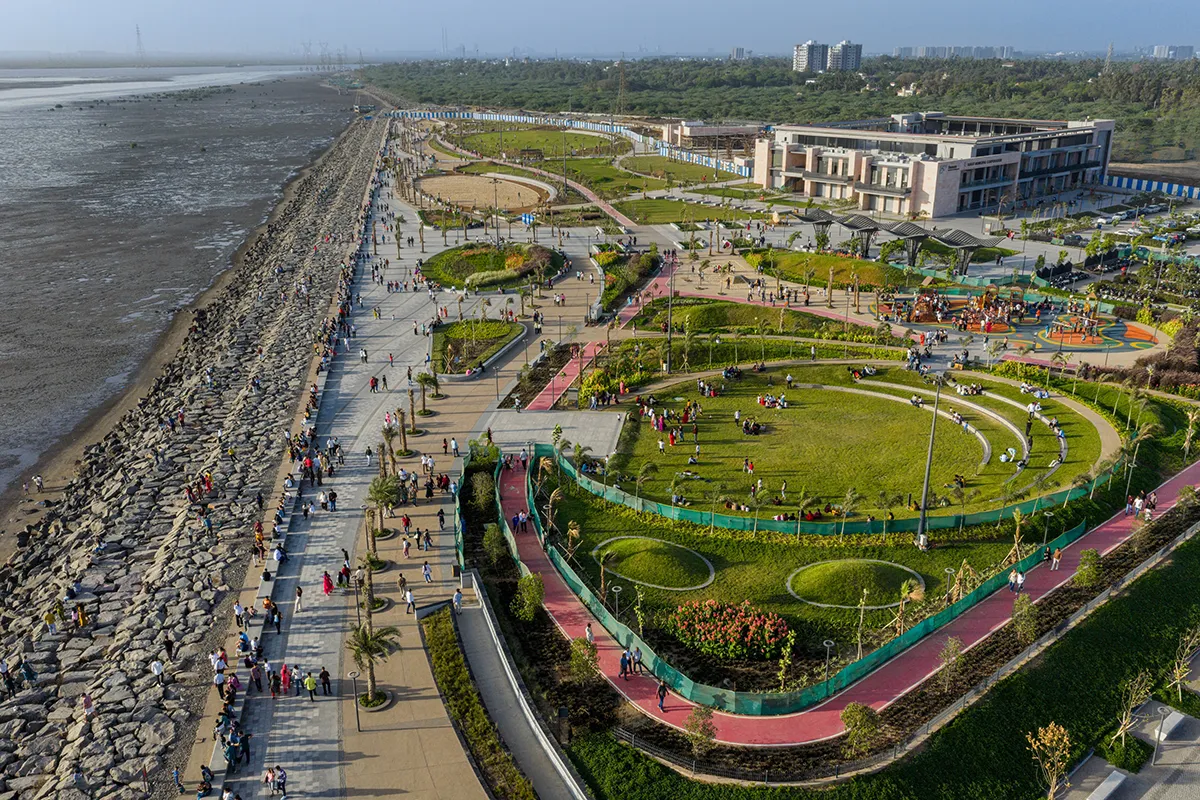
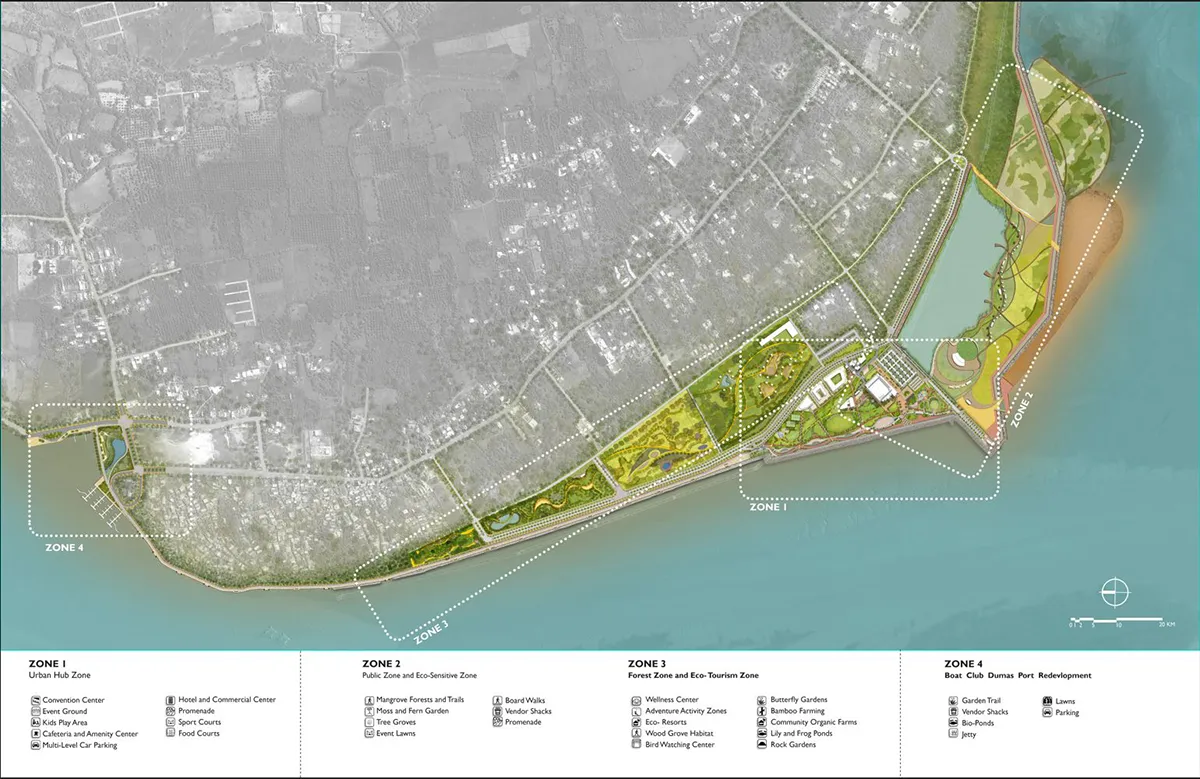
The Dumas Seafront project redefines the relationship of the city of Surat with its coastline by transforming a long-valued yet underutilized shoreline into a resilient, inclusive, and memorable public waterfront. Located at the confluence of the Tapi River and the Arabian Sea, the project establishes a new civic identity by balancing recreation, ecological sensitivity, climate resilience, and tourism within a unified coastal landscape. Rather than treating the seafront as a fragmented edge, the masterplan envisions it as an integrated public realm where people, nature, and infrastructure coexist in harmony.Conceived as a comprehensive waterfront development, the project brings together public land, forest areas, and ecologically sensitive coastal zones into a cohesive vision that enhances accessibility while respecting the site’s natural character. It demonstrates how strategic urban design can unlock the potential of coastal landscapes, creating destinations that are socially vibrant, environmentally responsible, and resilient.
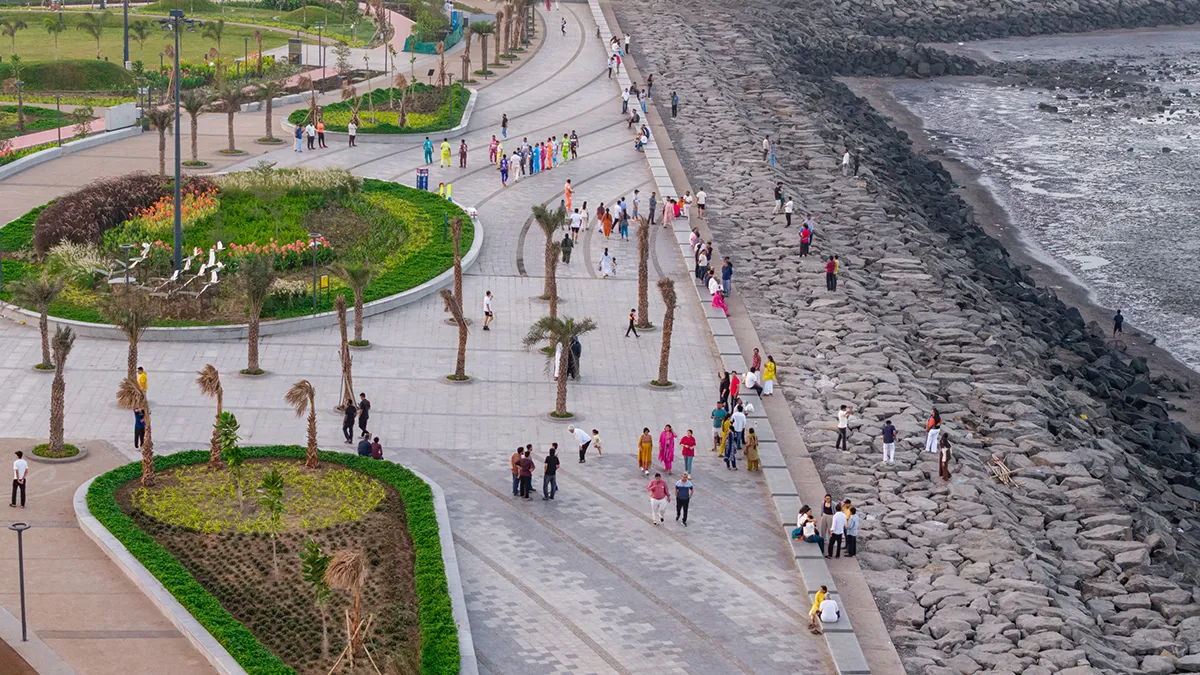
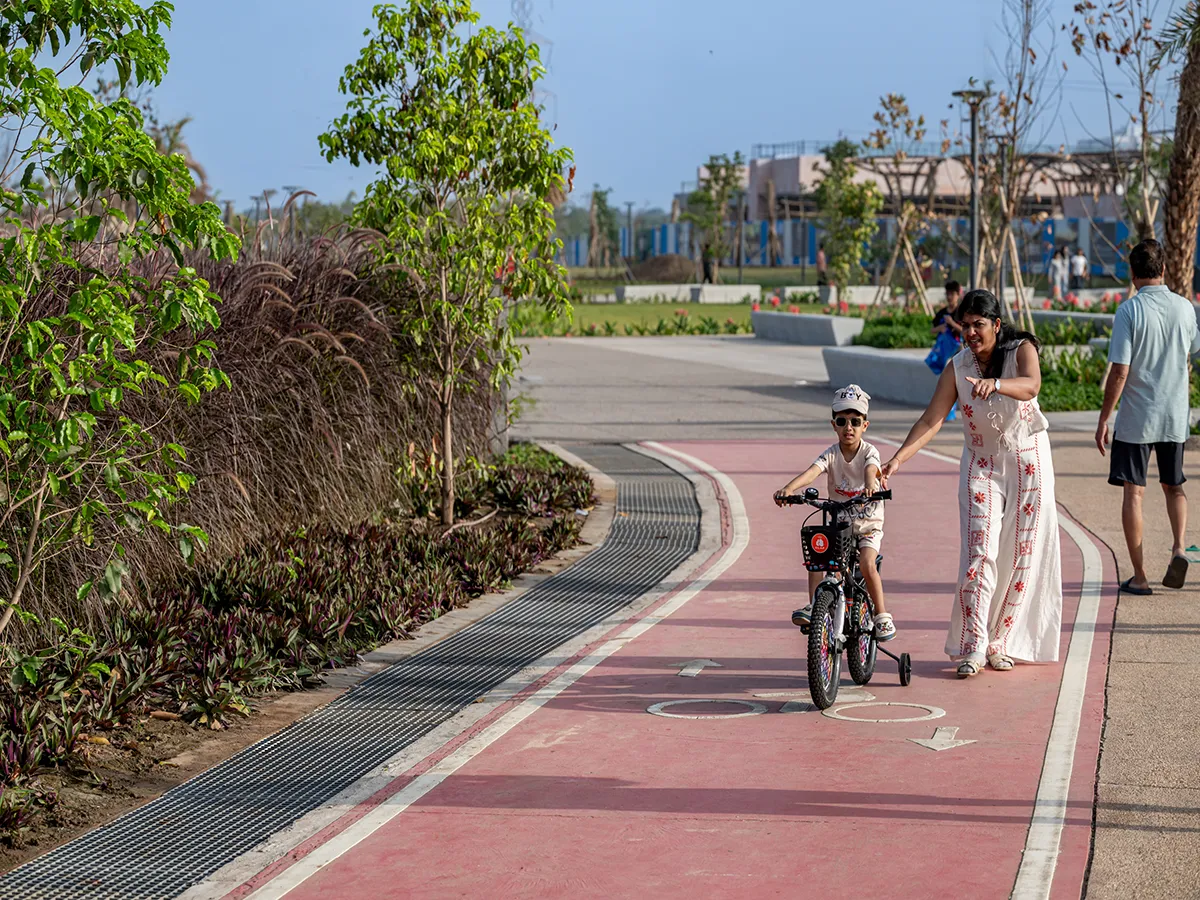
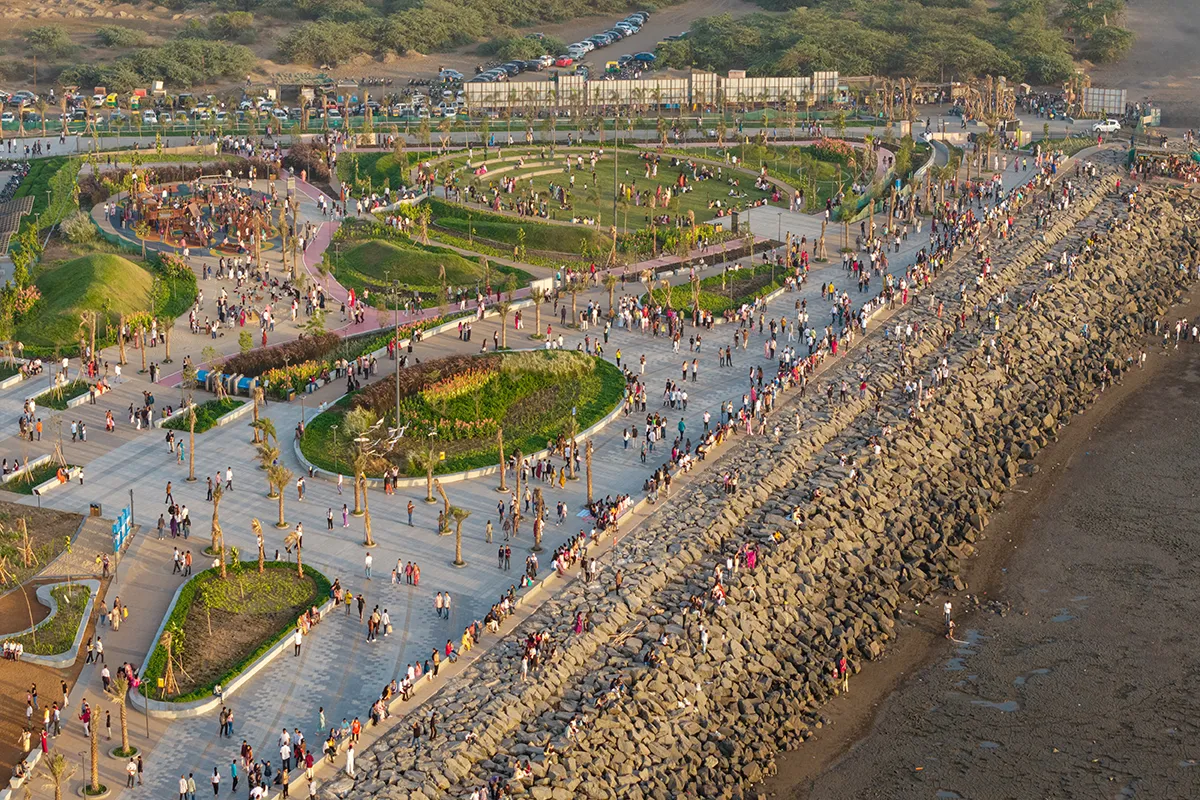
The Phase One of the Masterplan spans approximately 126,000 square metres of public beachfront and establishes the foundation for a continuous waterfront experience. At its heart is a generous pedestrian promenade complemented by a dedicated cycling track, encouraging active mobility while connecting diverse recreational spaces. Sand pockets, seating terraces, public amenities, arrival plazas, and gathering areas create opportunities for walking, play, relaxation, and community events throughout the year. The shoreline is transformed into an active civic edge that accommodates both everyday use and large public gatherings.
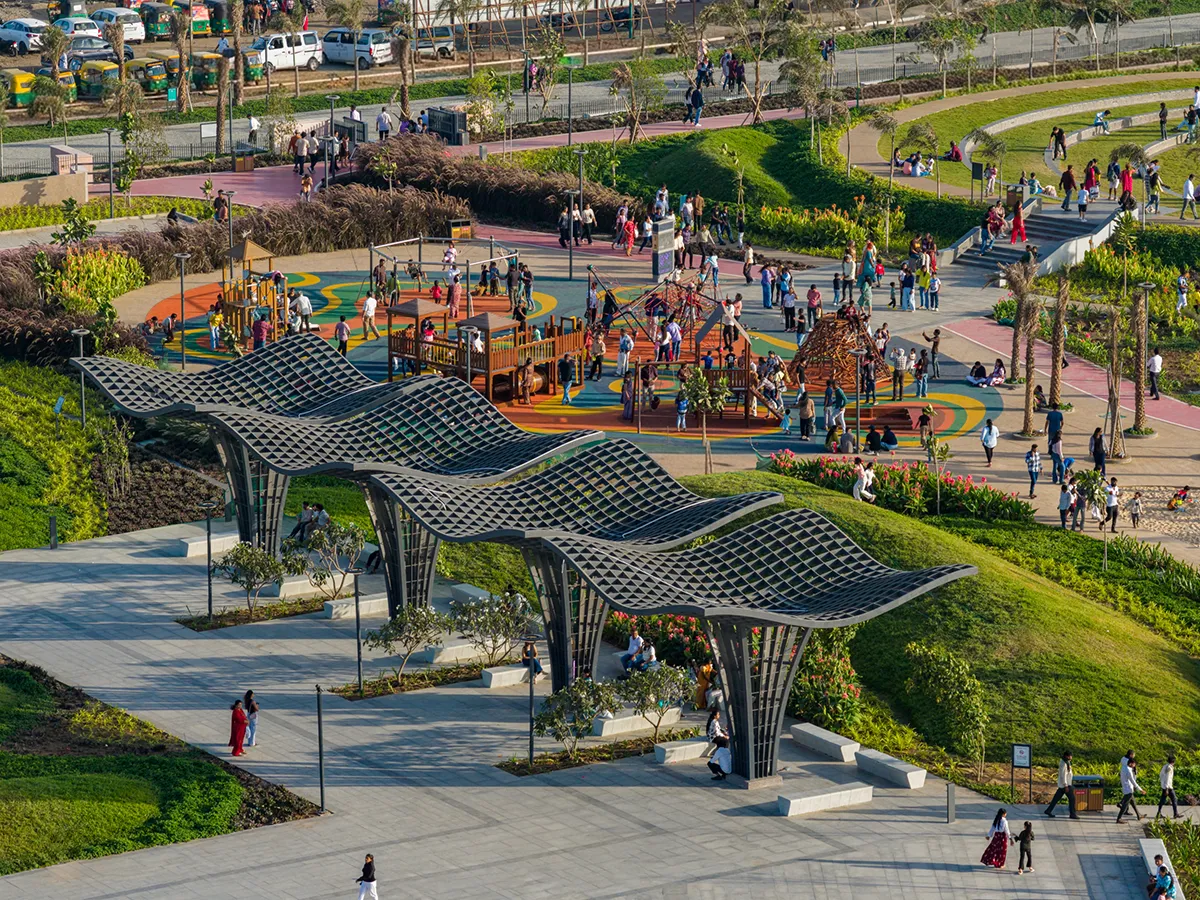
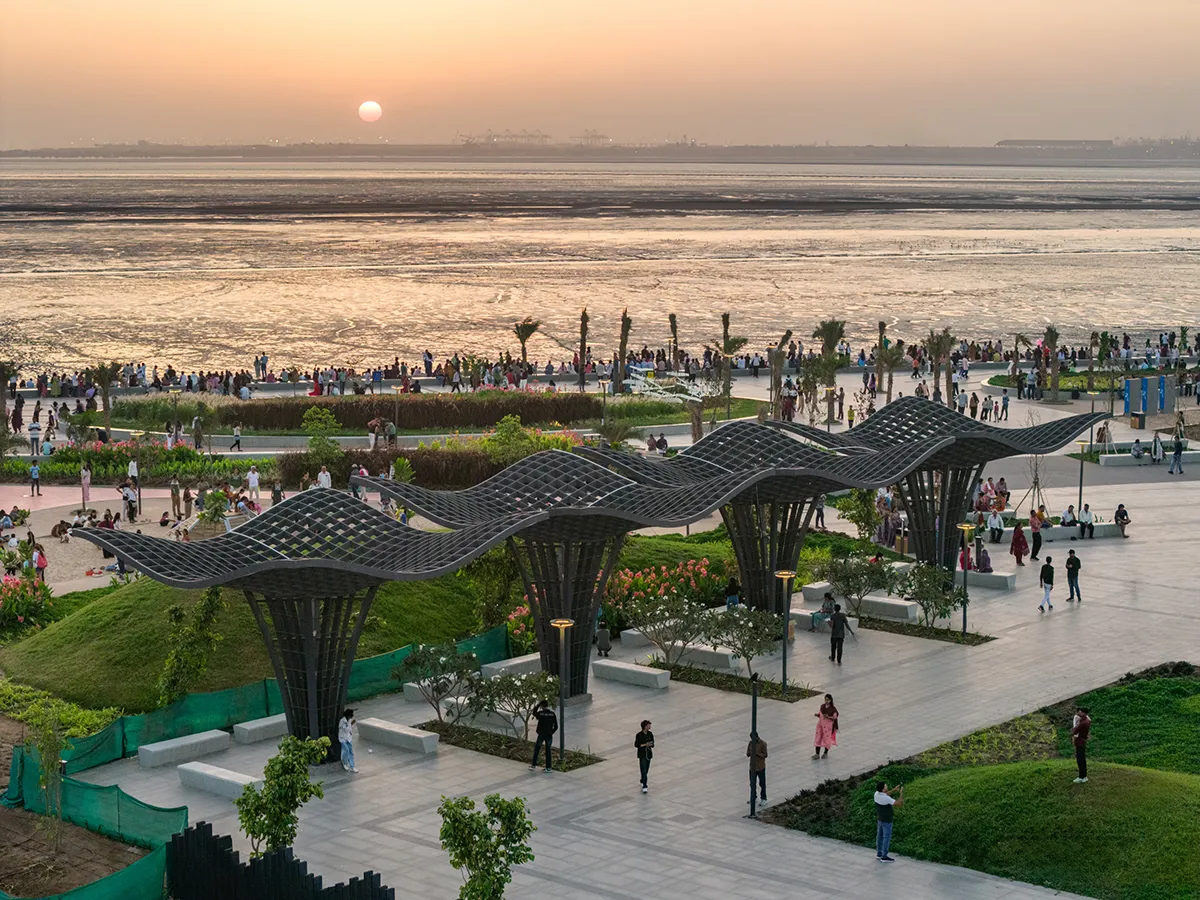
A defining design principle is imageability; creating a place with a strong and memorable identity. The waterfront is organised through a sequence of clearly articulated paths, edges, landmarks, nodes, and destinations that make the landscape intuitive to navigate. Plazas, viewing decks, quiet retreats, and activity zones punctuate the promenade, creating moments of pause and interaction. Inspired by marine forms and coastal processes, the design employs fluid geometries, organic paving patterns, and landscape elements that reinforce a distinctive identity unique to Surat.
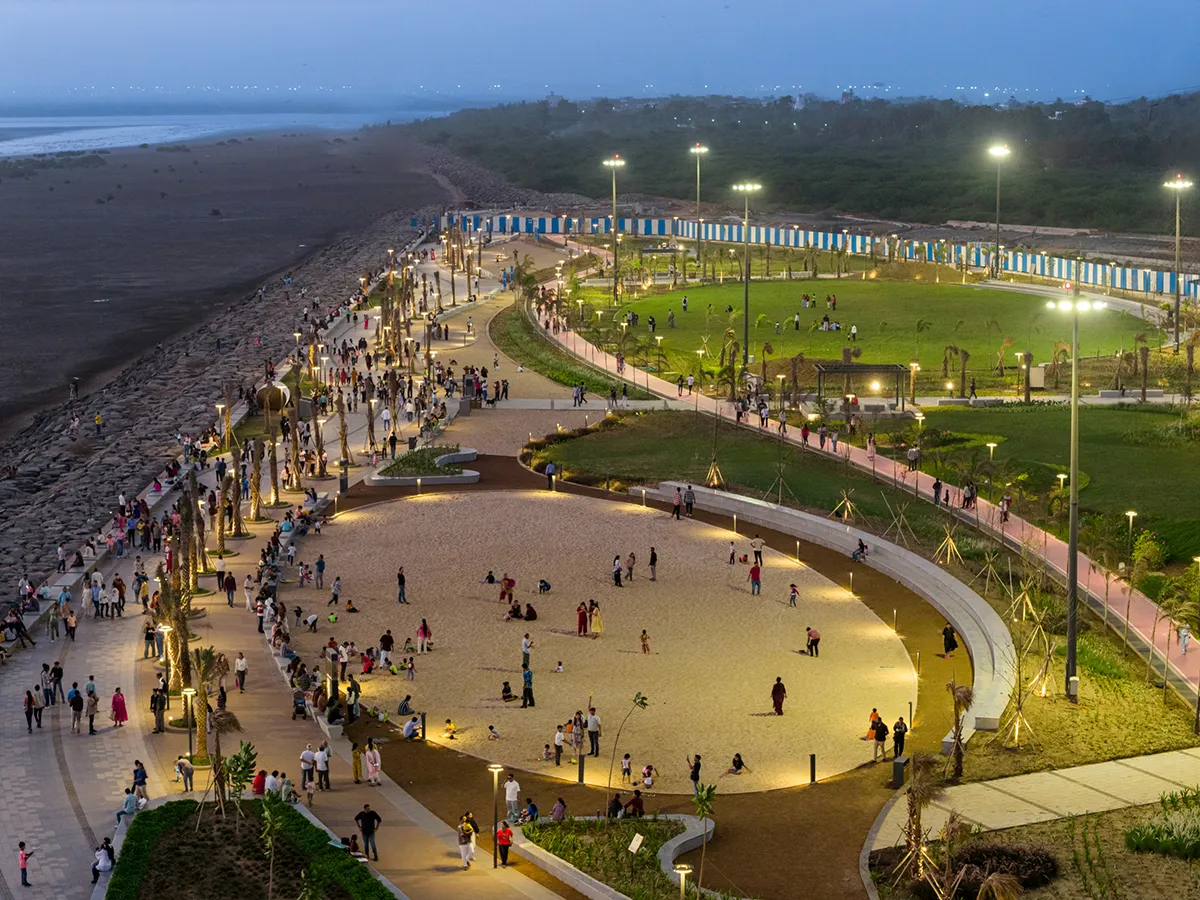
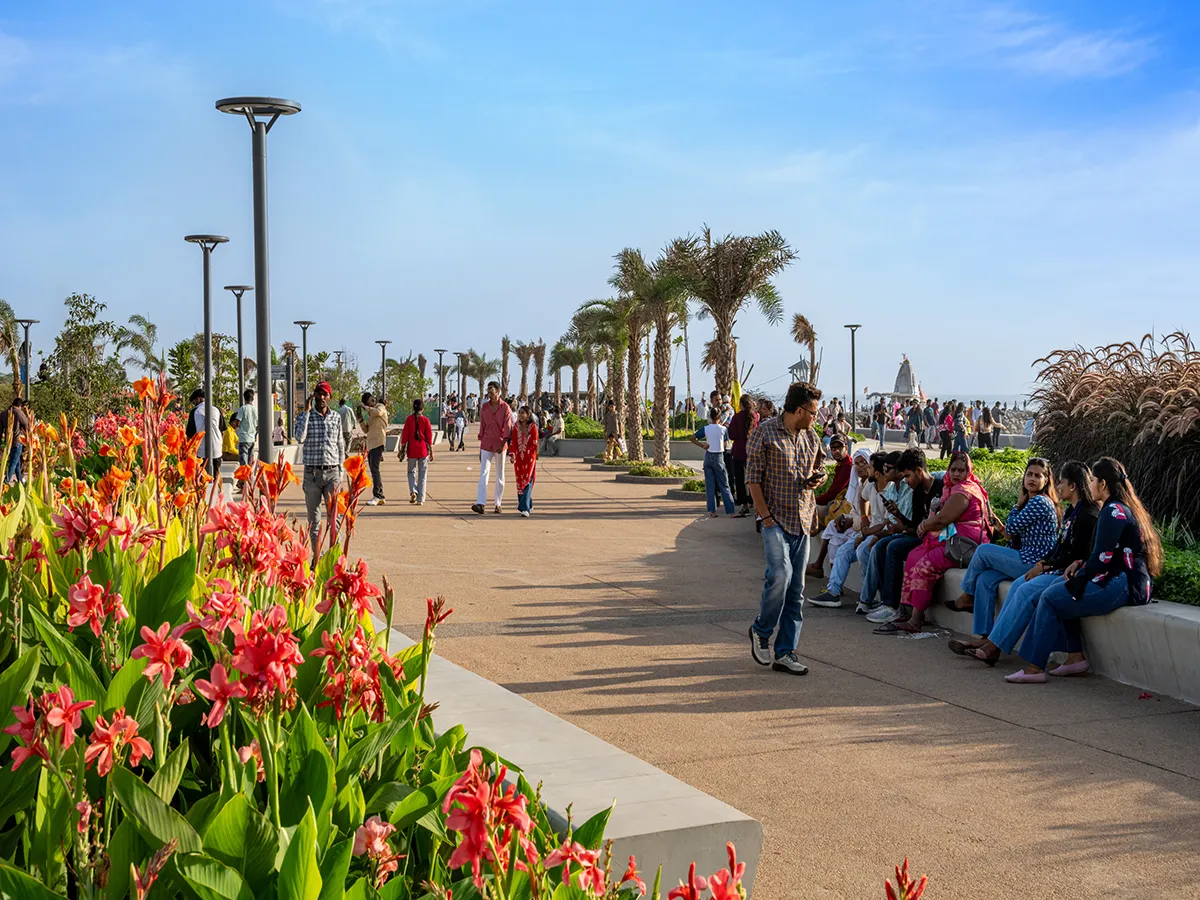
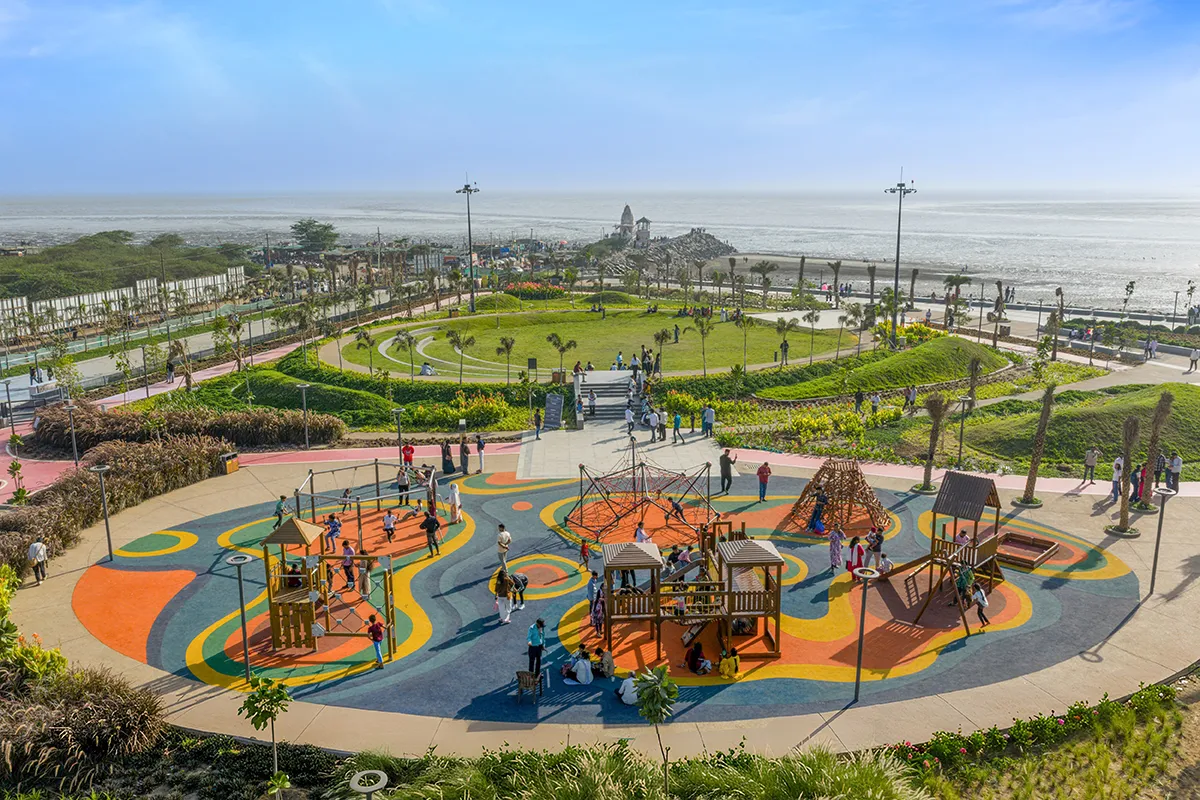
Lighting extends the waterfront’s usability well beyond daylight hours. A layered strategy of ambient, functional, and accent lighting enhances safety while celebrating gathering spaces, landscape features, and public art, creating a vibrant civic destination after sunset.
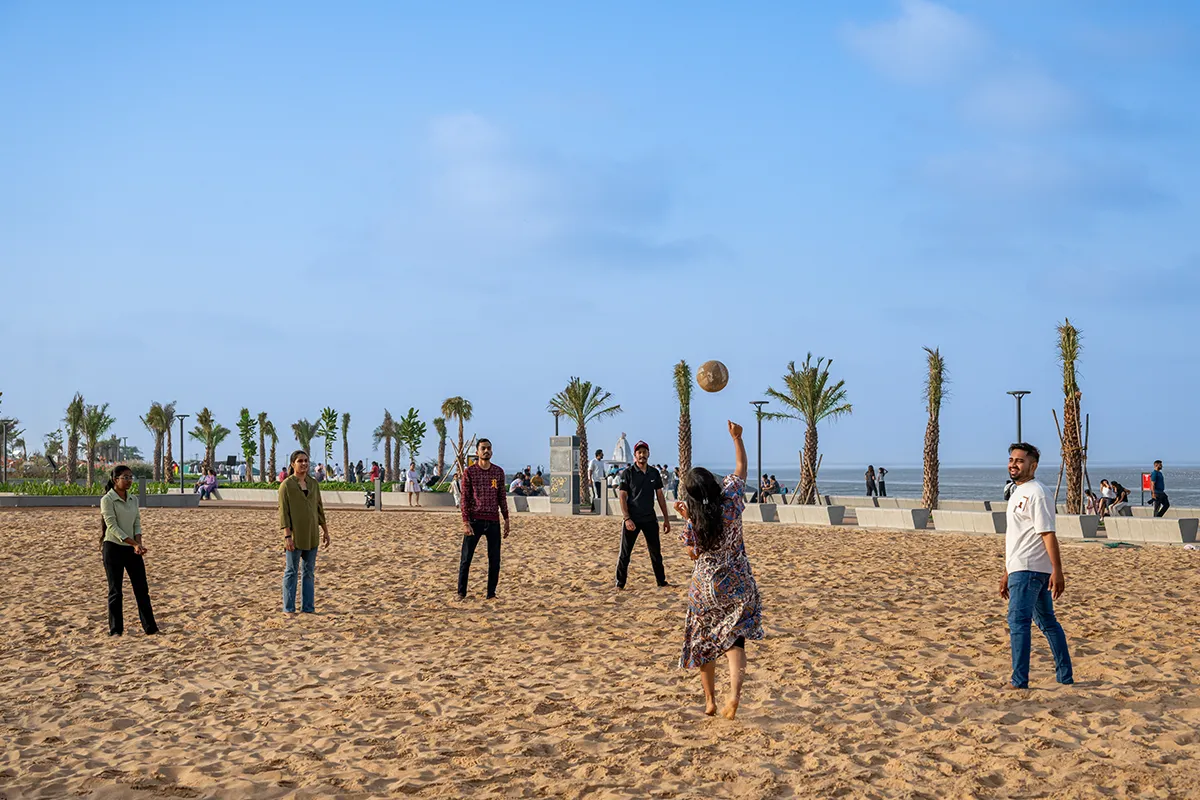
Resilience underpins every aspect of the project. Facing the Arabian Sea, the waterfront responds to tidal fluctuations, coastal erosion, storm surges, and climate change through engineered natural stone revetments and layered shoreline protection systems that dissipate wave energy while safeguarding public infrastructure. These measures maintain uninterrupted access to the sea while ensuring long-term coastal stability.
Water-sensitive urban design further strengthens environmental performance. Permeable paving reduces runoff and promotes groundwater recharge, while bioswales and integrated stormwater systems capture, filter, and gradually release rainwater, reducing flood risk and improving site hydrology. Salt-tolerant and drought-resistant native planting enhances biodiversity while ensuring long-term resilience with minimal maintenance.
The material palette draws inspiration from the beach itself. Natural stone, textured paving, sandy recreational areas, and muted seating elements create a timeless coastal character. Durable, weather-resistant materials are paired with integrated street furniture, retaining walls, planters, and shading structures whose forms subtly reference shells and waves, strengthening the visual identity of the waterfront.
Constructed on unstable black cotton soil adjacent to an existing stone bund, the project required extensive landfilling, staged compaction, sophisticated drainage systems, and carefully engineered retaining structures. Every intervention was guided by long-term resilience, ensuring the waterfront remains safe, adaptable, and accessible.
More than a promenade, Dumas Sea Face represents a new model for resilient coastal public space in India. By integrating recreation, ecological stewardship, climate-responsive infrastructure, and place-making, it reconnects Surat with its coastline while creating an enduring civic destination that celebrates the city’s natural heritage and future aspirations.
The Dumas Sea Face has been designed as a resilient coastal waterfront that integrates sustainable
engineering, nature-based solutions, and climate-responsive infrastructure to enhance long-term
environmental performance.
A key engineering intervention is the natural rock armour bund, adopted in place of a conventional
reinforced concrete (RCC) seawall. The interlocking rock armour dissipates wave energy while
allowing water to permeate through the embankment, reducing hydrostatic pressure and improving
shoreline stability. This breathable edge responds more naturally to coastal dynamics, minimises
erosion, and blends seamlessly with the surrounding landscape.
The landscape strategy prioritises native, salt-tolerant coastal vegetation suited to Surat’s marine climate. These locally adapted species withstand saline conditions, high winds, and periodic inundation while requiring minimal irrigation and maintenance. In addition to enhancing the waterfront’s character, the planting stabilises soil, supports biodiversity, and strengthens ecological resilience.
Stormwater management follows a Nature-Based Solutions (NBS) approach by integrating aquifer recharge into the landscape. Permeable surfaces, bioswales, and infiltration zones capture and filter runoff, allowing rainwater to recharge groundwater naturally while reducing peak stormwater discharge and flood risk. This water-sensitive approach restores natural hydrological processes and minimises dependence on conventional drainage systems.
Several additional sustainable measures have been incorporated across the project. Permeable paving reduces runoff and improves groundwater recharge, while high solar reflectance (SRI) coatings minimise heat gain across hardscape areas. Autoclaved Aerated Concrete (AAC) blocks improve thermal performance and reduce embodied carbon in built structures. Treated wastewater from the Sewage Treatment Plant (STP) is reused for landscape irrigation, significantly reducing potable water demand. Energy-efficient LED lighting lowers operational energy consumption and maintenance requirements, while a dedicated cycling track promotes sustainable mobility and encourages non-motorised transport.
Together, these strategies demonstrate an integrated approach to coastal development where engineering, ecology, and public infrastructure work in harmony. The Dumas Sea Face not only strengthens Surat’s resilience to coastal and climatic challenges but also establishes a sustainable and environmentally responsive model for future waterfront developments.
Dumas Sea Front Development
Location: Surat, Gujarat, India
Landscape Architect: INI Design Studio Pvt Ltd
Text Credit: INI Design Studio Pvt Ltd
Image Credits: Vinay Panjwani & INI Design Studio Pvt Ltd
Be the first to comment