
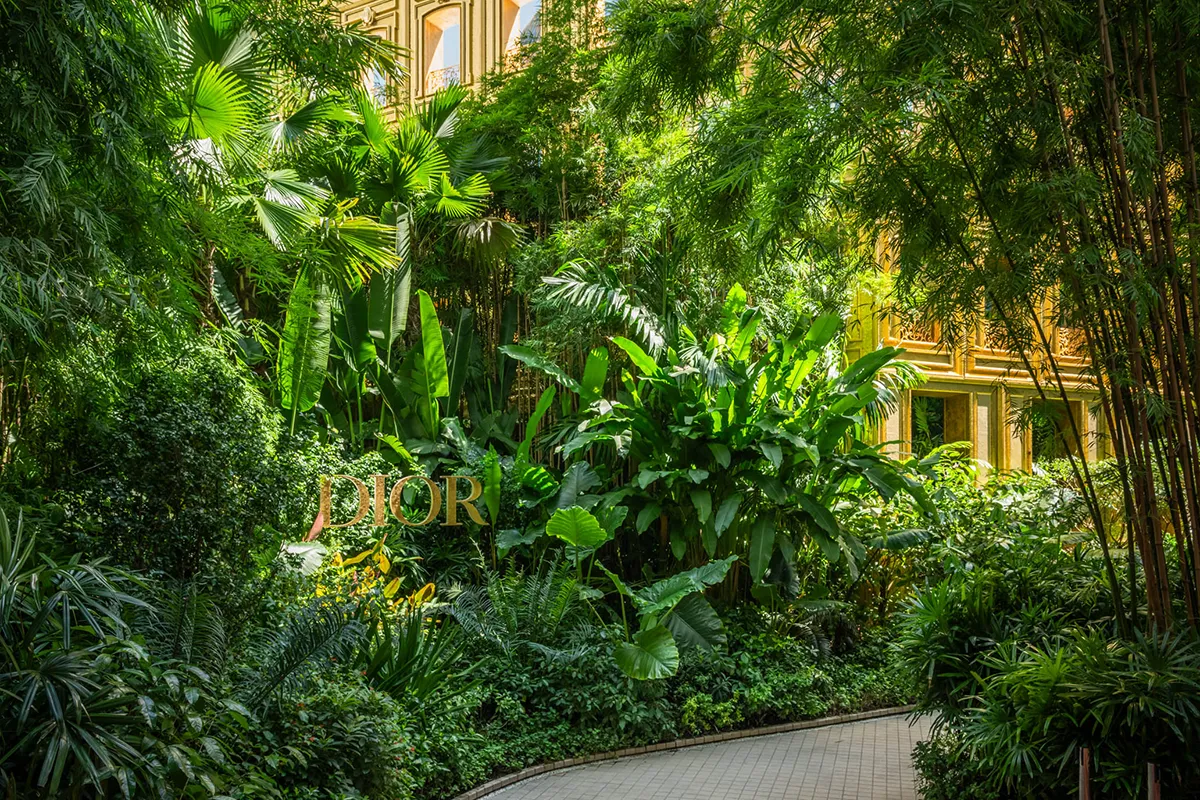
In the world’s most vibrant cities, luxury is often expressed through architecture, craftsmanship, and exclusivity. Yet as urban environments grow denser and green space becomes a rare sanctuary, true luxury is being redefined and measured not by what is built, but by the quality of nature returned to the city.
Designed as Dior’s first pop-up concept store in Thailand, the Garden of Dior Gold House transforms a 1,600-square-meter site in central Bangkok into a vibrant micro-green sanctuary. Rather than treating landscape as a decorative setting for architecture, the project positions nature as ecological infrastructure, cultural expression, and public well-being. Within Bangkok’s bustling Chidlom–Ploenchit district, the garden demonstrates how even a compact intervention can reconnect people with nature while redefining the relationship between luxury, ecology, and urban life.
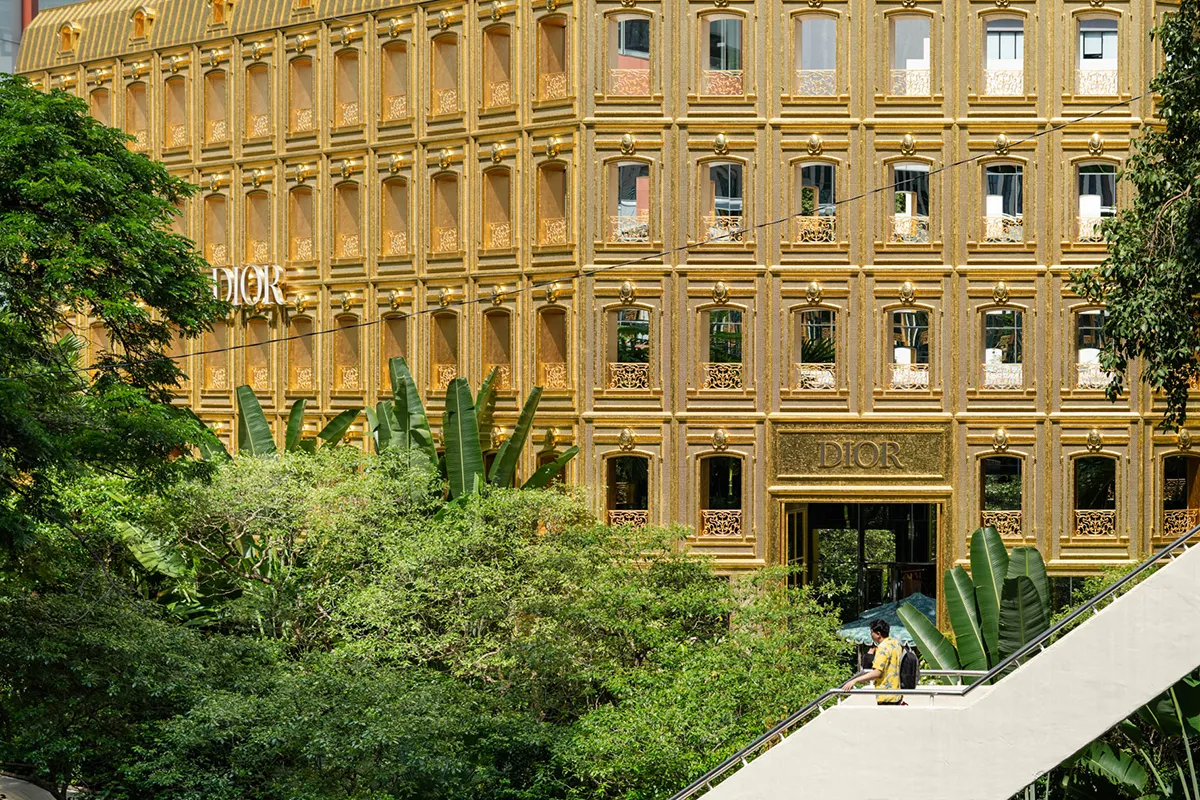
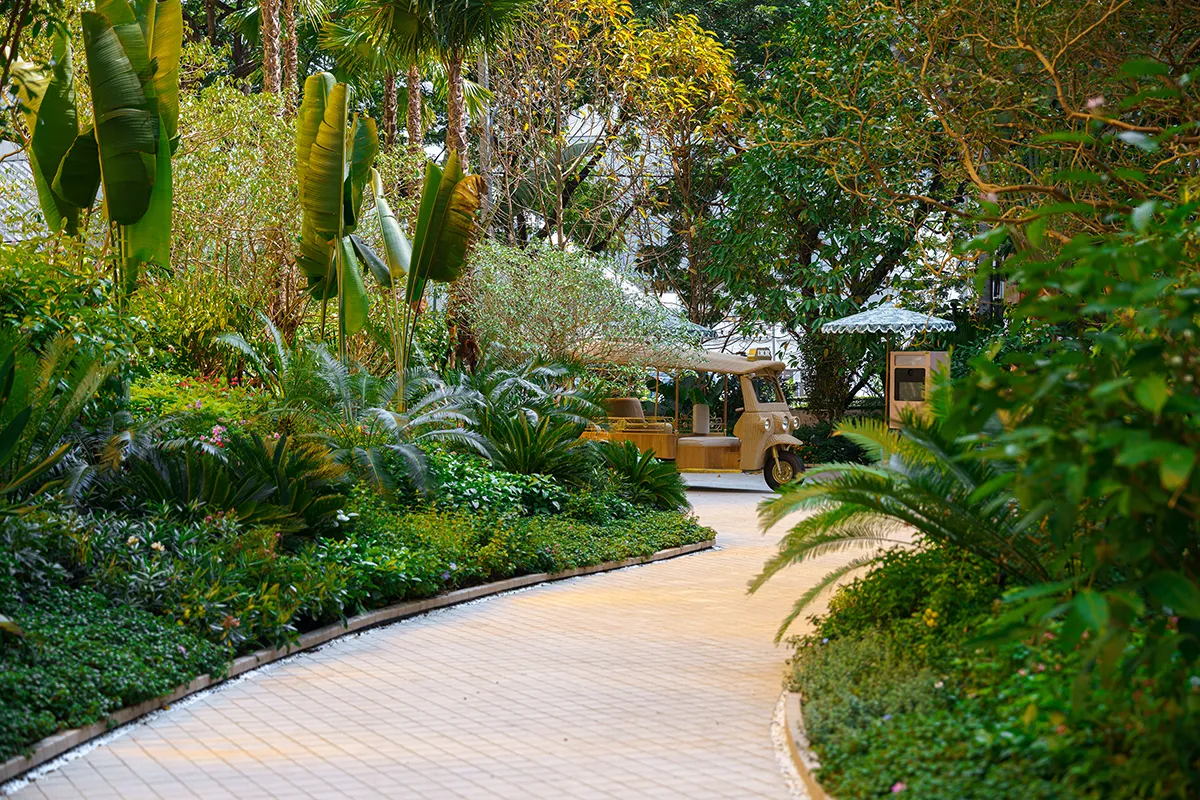
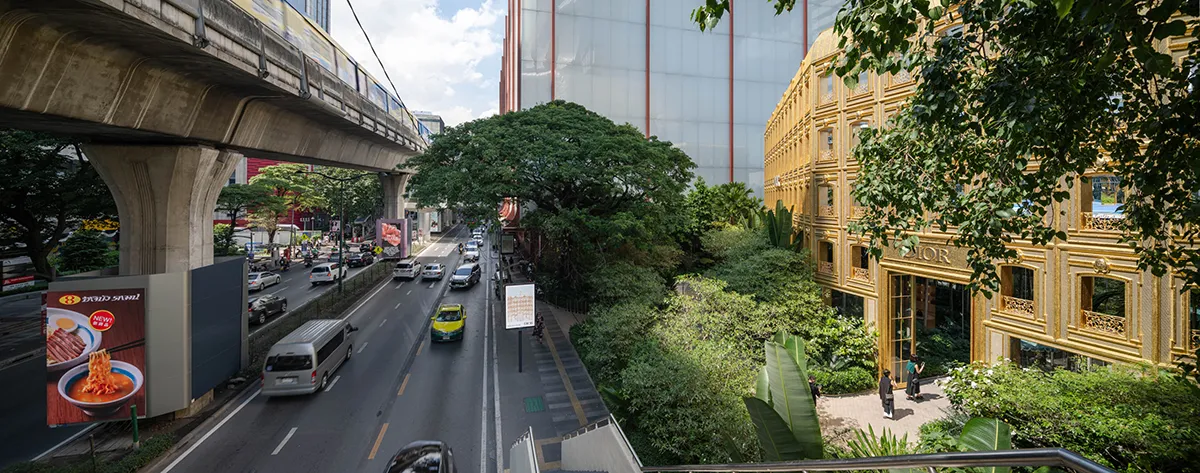
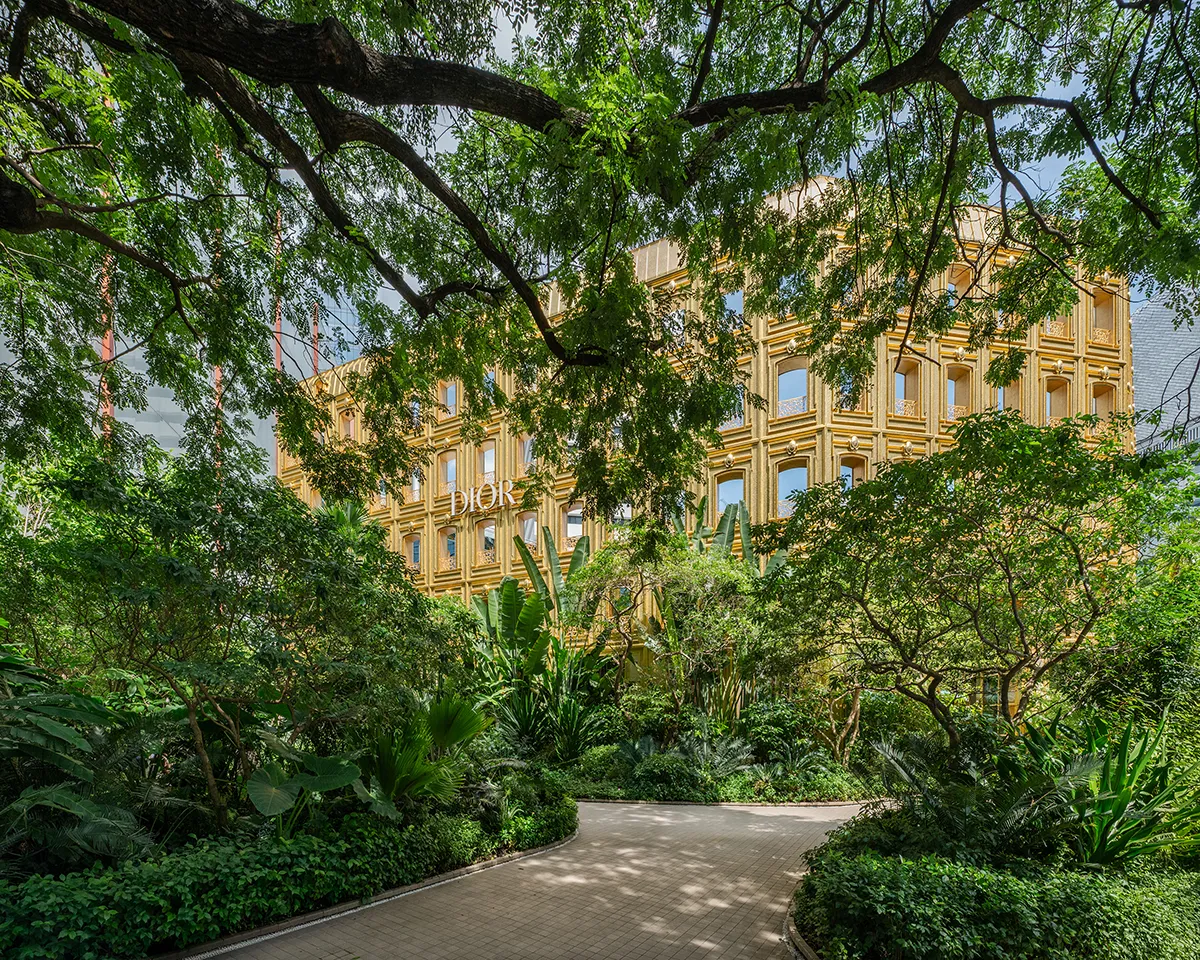
The design responds to the city’s pressing ecological deficit by offering a walkable retreat that restores balance to the urban environment. Rather than ornamental landscaping, the garden is conceived as a living ecosystem. Layered greenery, native plantings, and curated compositions create a sensory journey where architecture and nature converse seamlessly. The golden façade of Dior Gold House is framed by lush tropical vegetation, establishing a dialogue between French elegance and Thai horticultural traditions.
Spatial Composition
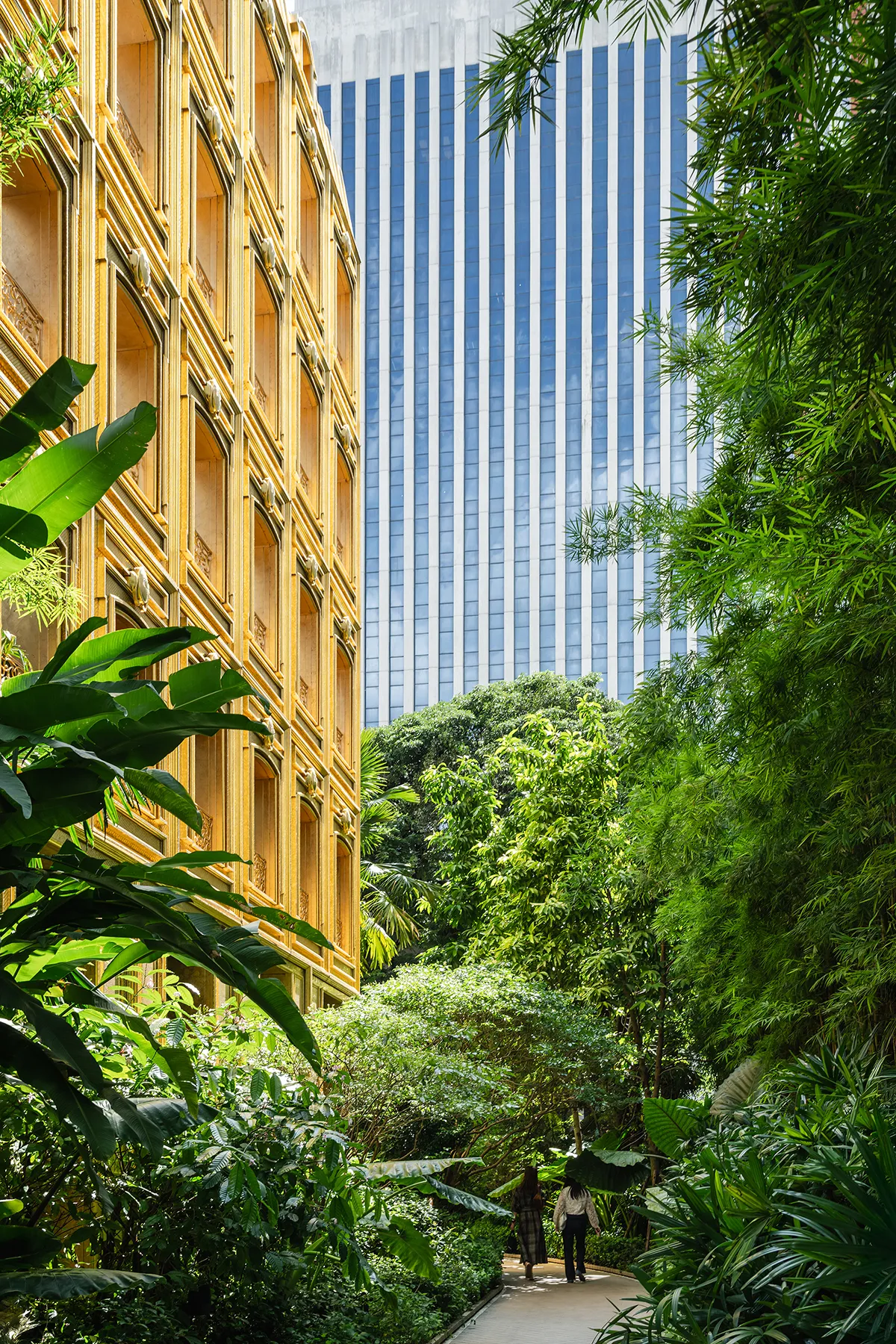
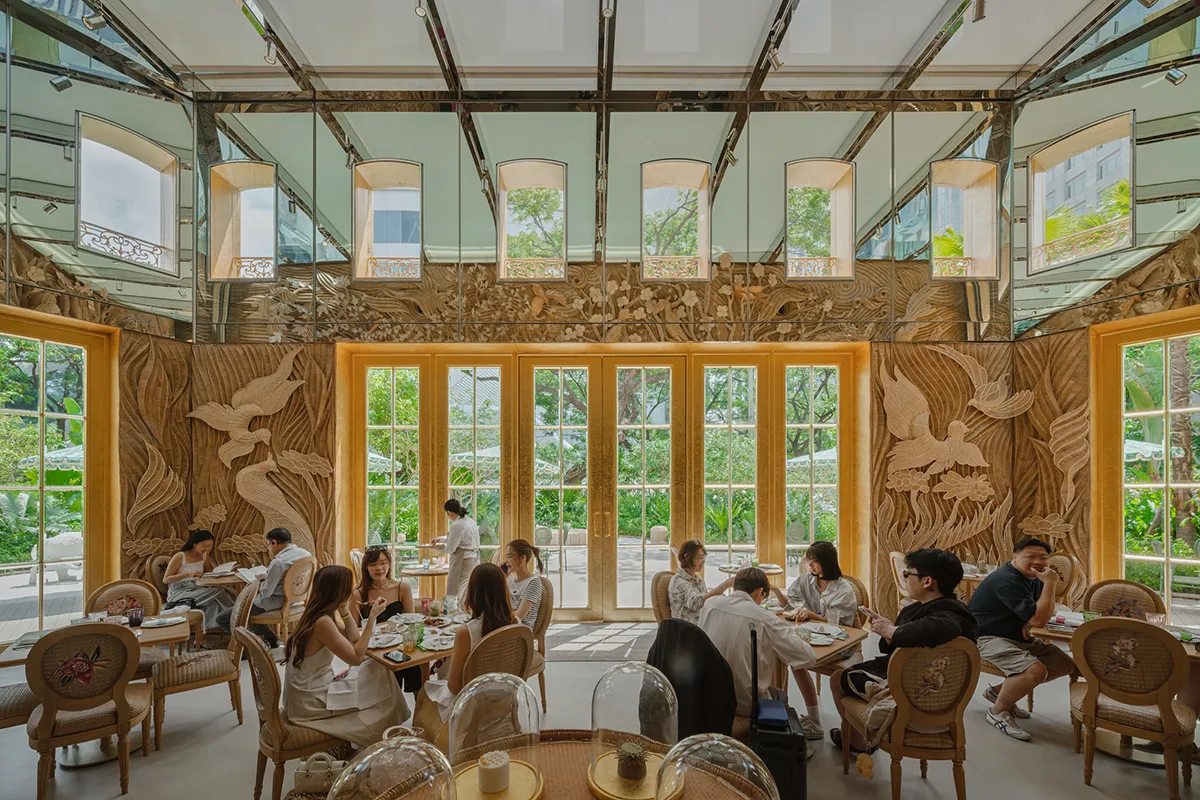
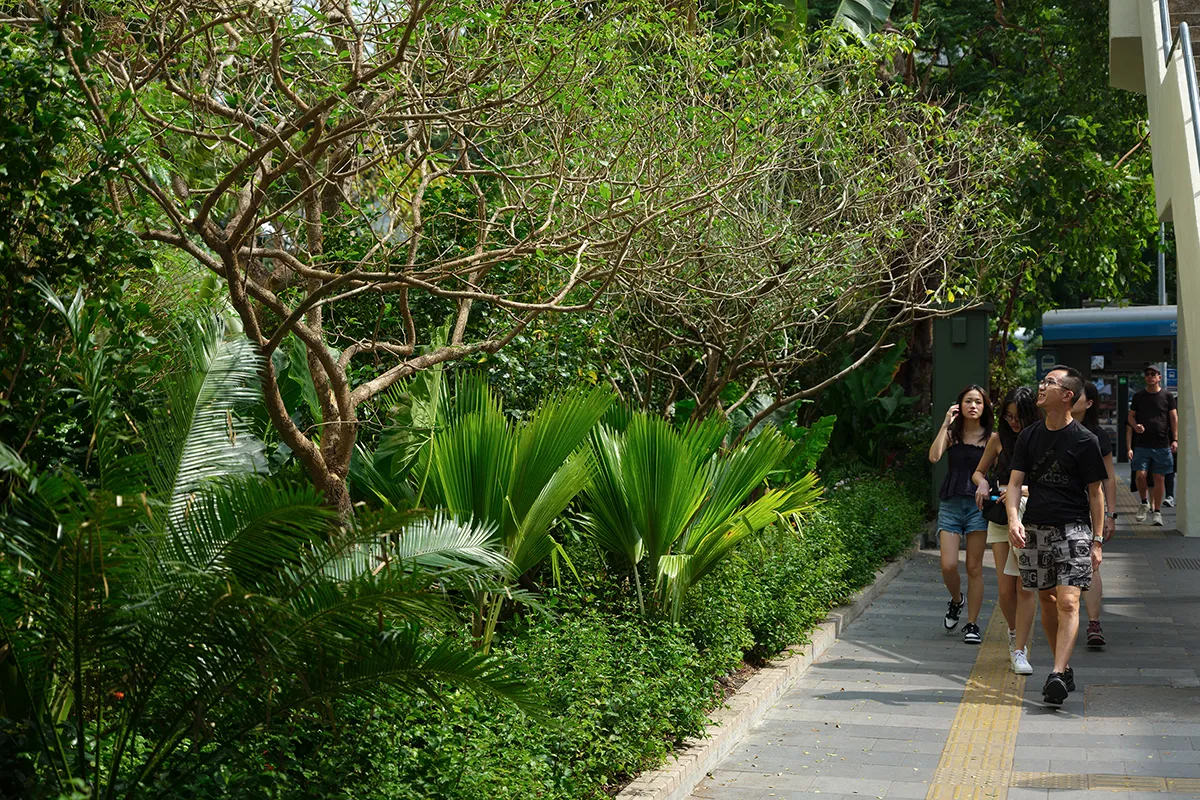
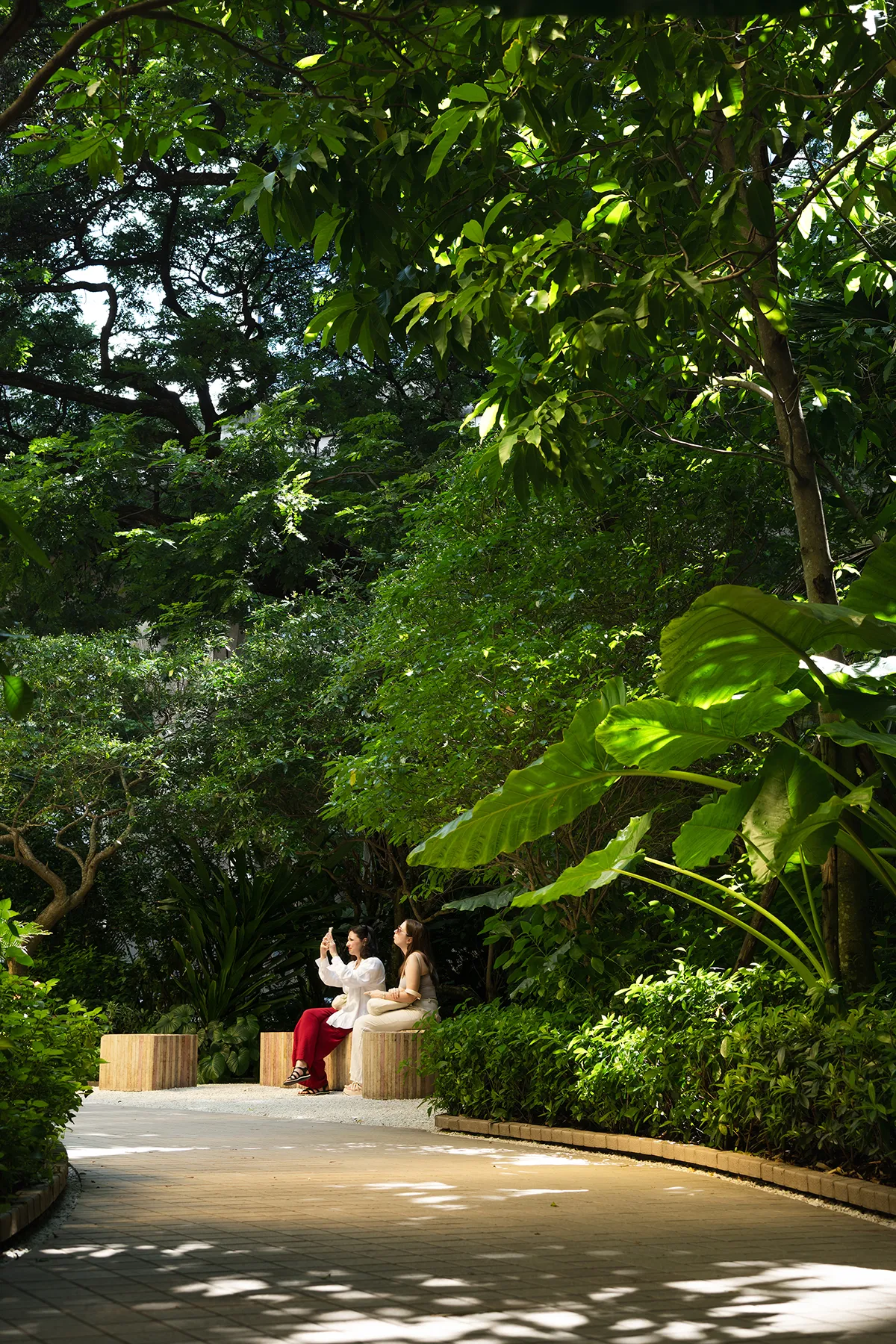
The garden unfolds as a sequence of experiences. Berms and elevations shield visitors from traffic noise and dust, while pocket gardens and curated art installations invite moments of pause. A meandering path guides visitors through diverse micro-landscapes, shaded retreats beneath rain trees, vibrant seasonal blooms, and intimate clearings for reflection. Each element is scaled to human perception, ensuring the space feels immersive yet approachable.
Planting Strategy
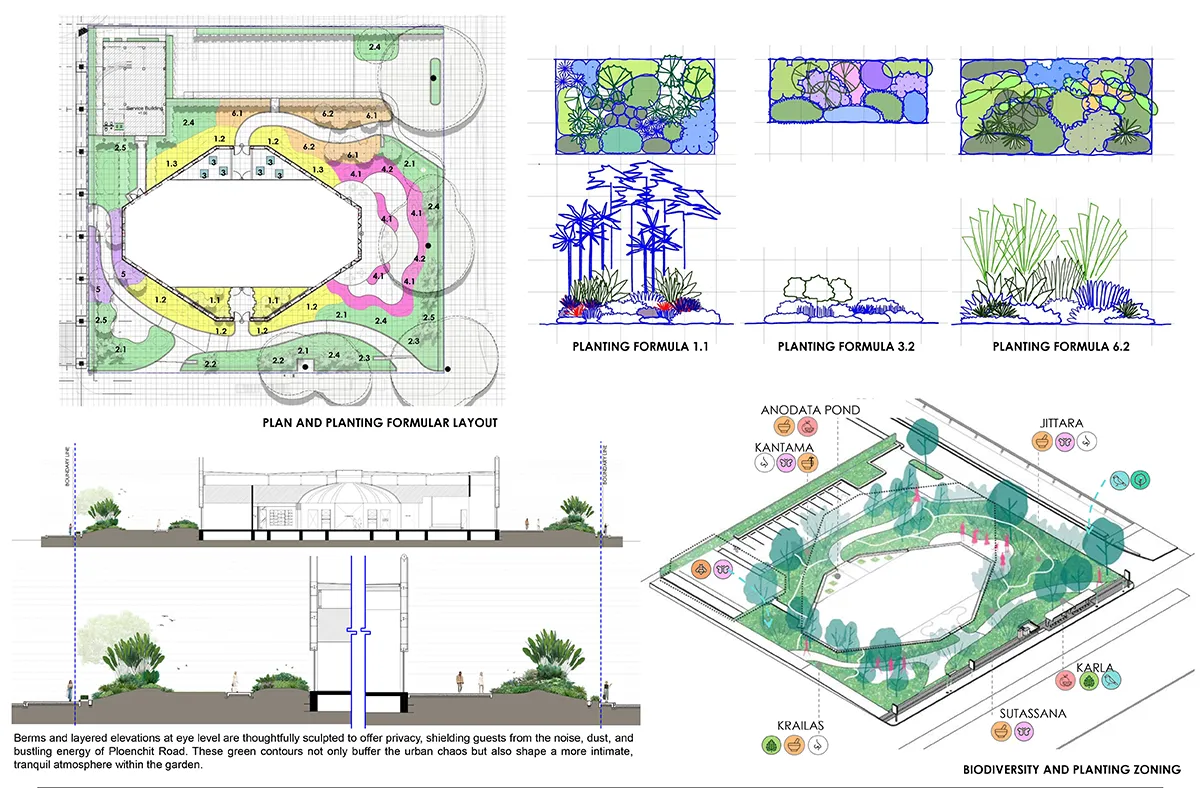
The planting palette emphasizes resilience and biodiversity. Fan-shaped traveller’s palms, vertical footstool palms, and fragrant gardenia trees form the structural backbone, complemented by Thai auspicious plants and seasonal species. This layering creates a dynamic ecosystem that evolves throughout the year, engaging the senses through sight, scent, texture, and sound. Existing Samanea saman (Rain trees) were preserved to provide immediate canopy cover, reducing the urban heat island effect and enhancing microclimate comfort.
Environmental Performance
The garden functions as a high-performance green infrastructure. Berms and dense eye-level planting act as natural acoustic and particulate buffers, trapping PM2.5 pollutants and breaking sound waves. Native species minimise water consumption and maintenance, while vertical layering regulates temperature and provides natural insulation. These strategies collectively improve air quality, foster biodiversity, and create a restorative microclimate within Bangkok’s CBD.
Cultural Dialogue
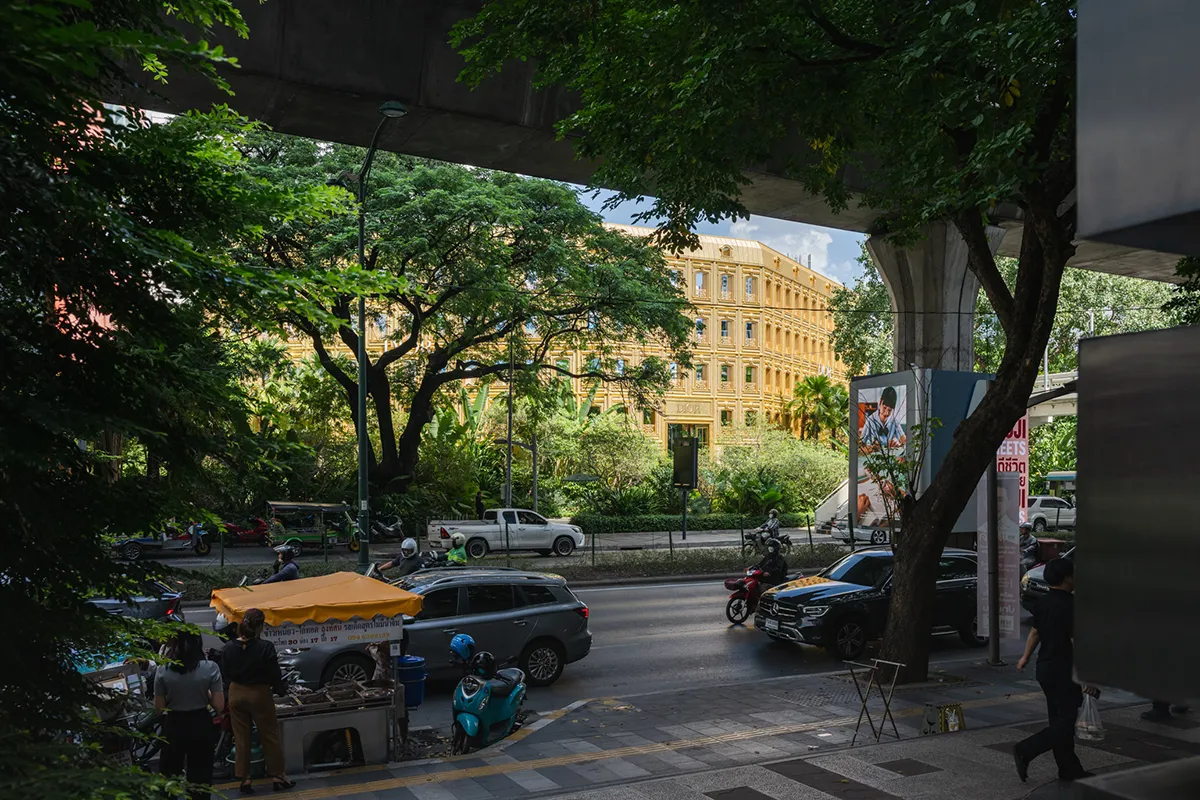
Beyond ecological value, the design embodies cultural resonance. The integration of Thai horticultural wisdom with Dior’s French elegance creates a unique narrative of cross cultural harmony. Local artists contributed installations that punctuate the garden, reinforcing its role as both ecological retreat and cultural stage. The project demonstrates how brand activations can transcend commercial intent, becoming catalysts for urban wellbeing.
Social Impact
The Garden of Dior Gold House offers more than aesthetic pleasure, it provides psychological relief in a city where residents often travel kilometers to access green space. By situating a lush retreat within walking distance, the project restores wellbeing to the community, inviting visitors to slow their pace, breathe deeply, and reconnect with nature. Urban wildlife, such as birds and squirrels, inhabits the layered habitat, underscoring the garden’s role as a vital ecological node.
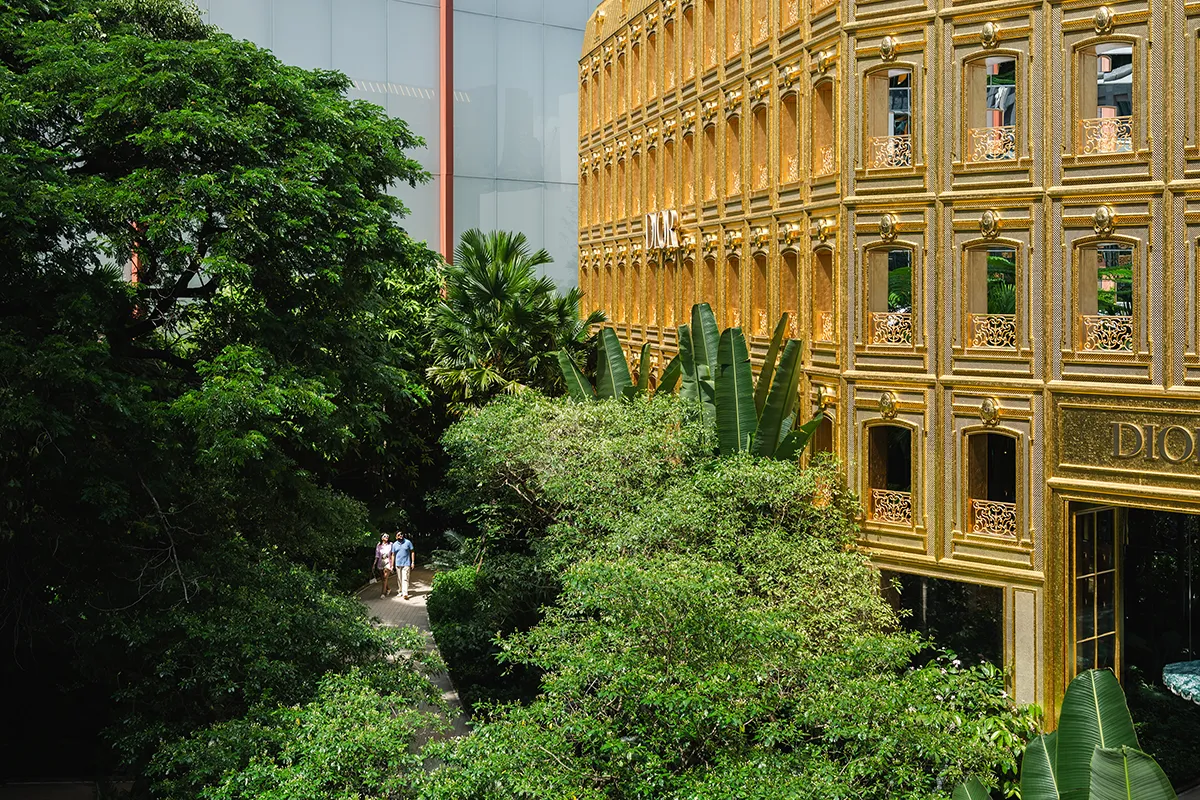
Ultimately, the Garden of Dior Gold House illustrates how modest interventions can yield profound impact. It is a beacon of harmony in Bangkok’s vertical sprawl, where fashion, art, and landscape converge to nurture both the city and the soul.
Technical Information
The technical innovation of the Garden of Dior Gold House lies in its ability to transform a compact site into a resilient ecological system within Bangkok’s dense CBD. The design prioritises environmental shielding, biodiversity, and climate resilience while maintaining aesthetic elegance.
Environmental Shielding
Bordered by high-decibel traffic and urban dust, the site required intensive buffering. Topographical berms and dense eye-level planting act as natural acoustic barriers, breaking sound waves and trapping PM2.5 pollutants. These “green lungs” create a quiet microclimate, protecting visitors from urban disruptions.
Planting Strategy
Native and climate-adapted species were selected to minimise water consumption and maintenance. Structural plantings include traveler’s palms, footstool palms, and gardenia trees, complemented by seasonal Thai auspicious plants. Existing Samanea saman (Rain trees) were preserved to provide immediate canopy cover, reducing the urban heat island effect and enhancing shade.
Microclimate & Ecology
Vertical layering of vegetation regulates temperature, provides natural insulation, and supports biodiversity. Eye-level greenery was prioritised for its psychological impact, fostering a sense of intimacy and human-scale connection to nature. The multi-layered habitat supports urban wildlife, including birds and squirrels, reinforcing the garden’s ecological role.
Sustainability
Mock up gardens were established in nurseries to test plant compatibility, ensuring resilience and long term performance. Sustainable materials were used to minimize ecological impact, aligning with Dior’s LIFE 360 environmental strategy. The garden functions as green infrastructure, improving air quality, reducing heat, and conserving resources.
Garden of Dior Gold House
Location: Bangkok, Thailand
Landscape Architect: Landscape Tectonix
Text: Landscape Tectonix
Photography: PanoramicStudio, Bkkgrapher;