
WLA recently had the opportunity to catch up with Shma‘s founders—Yossapon Boonsom, Prapan Napawongdee, and Namchai Saensupha—who celebrated 19 years of landscape architecture practice. Based in Bangkok, Shma recently opened an office in Singapore, and as they approach their 20th anniversary, it was a perfect moment to learn more about the firm’s journey, review their achievements, and discuss their vision for landscape architecture and the world in 2046.
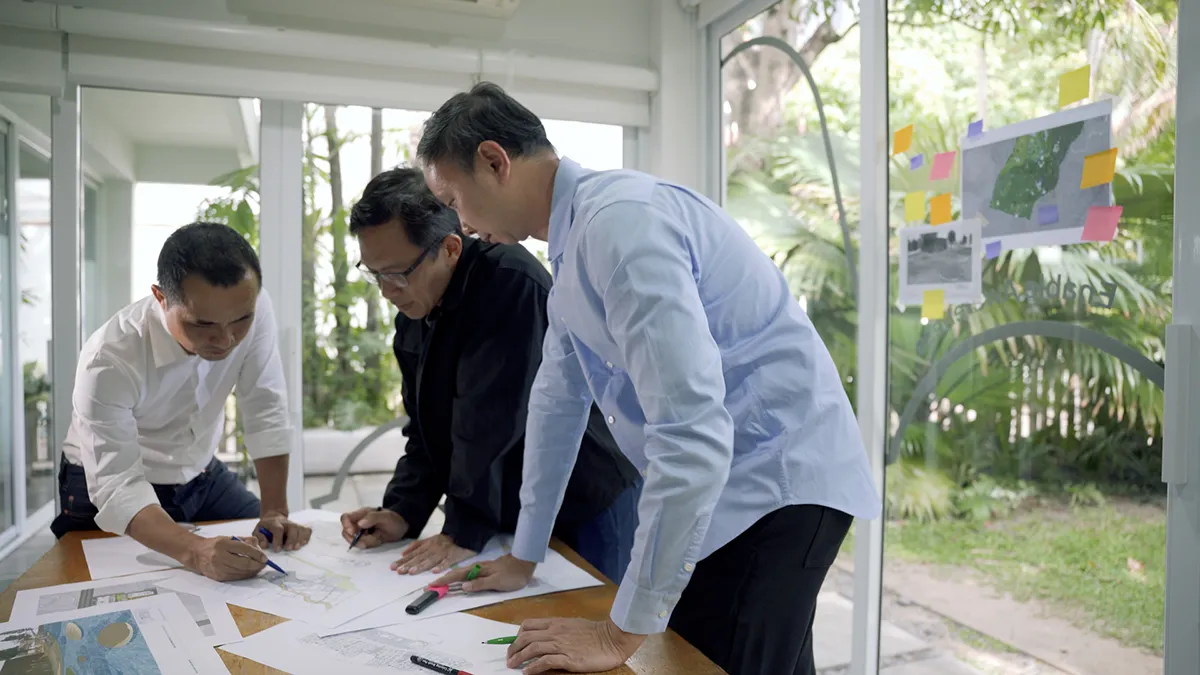
WLA | When you co-founded Shma, the practice was named after the word meaning “Earth”. How has your definition of “designing for the Earth” evolved alongside Bangkok’s rapid
Yossapon: As we grew up as Bangkokians, we saw how rapid urbanization has caused nature to diminish because of what we have built. We have also seen the thin line between designing to improve nature and destroying it. The word “Shma,” which means “Earth,” is a powerful reminder that, whatever we do as landscape architects, we need to be careful and think holistically. Whatever we do will affect not only people but the whole ecosystem of our cities.
For the past 19 years, I think this is what we have been trying our best to do: to keep evolving and finding ways to intervene in Bangkok across all scales and all types of projects. At the same time, what we have learned from Bangkok can also be relevant to other cities facing similar challenges. We always ask ourselves how we can bring nature back into each project, whether it is private or public, small or large, while thinking carefully about the context. And we believe that every intervention should create a greater impact beyond its boundaries.
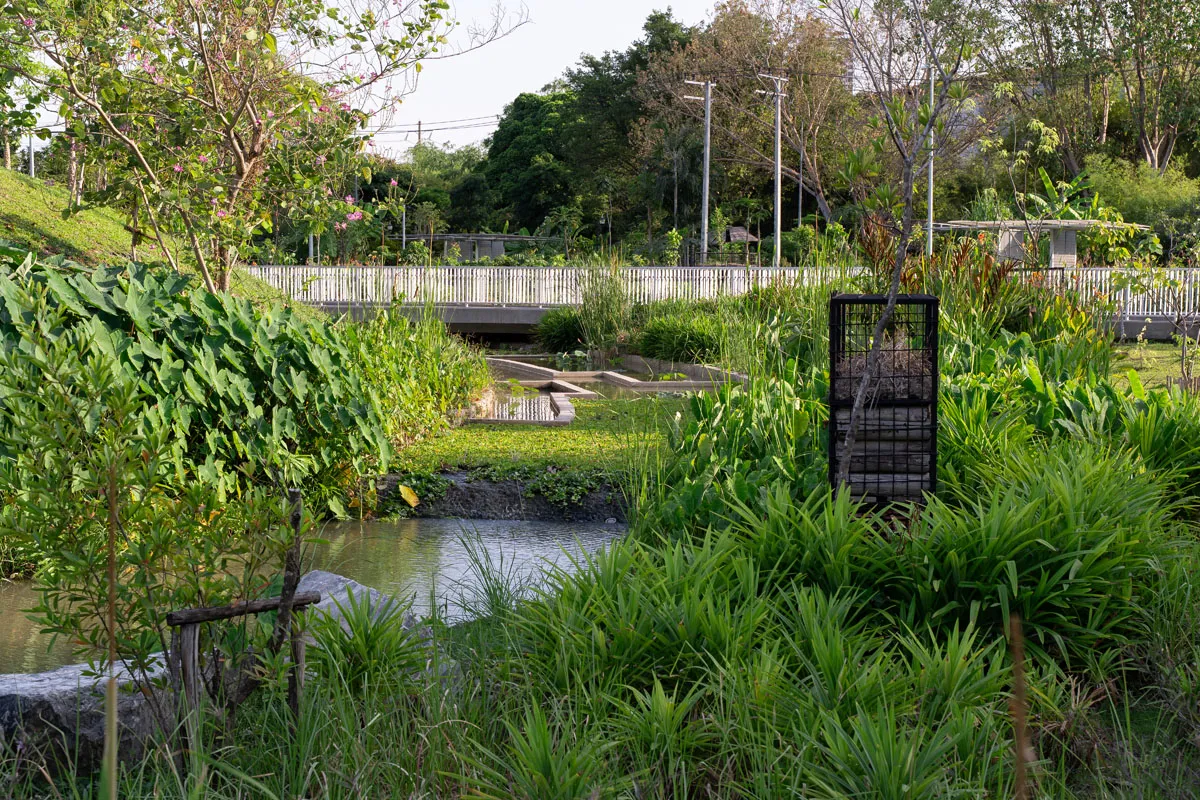
Prapan: I think this is also where we see our role as a practice. As Shma, we represent “Earth,” so through our work, we want to continue taking care of the Earth while allowing nature to coexist with the different forms of urbanization happening in our planet.
We know that this comes with many challenges, and I think our role is to keep finding different ways to respond to them. As Cities continues to change, we need to keep rethinking how landscape can respond to the needs of the city and its people, and find solutions that are appropriate for the way cities will evolve in the future.
Namchai: The definition of Shma hasn’t changed, but it creates new challenges, and those challenges open up new possibilities we have to adapt to. We can’t stop cities from growing, so how can we find better ways to improve the Earth and nature while urbanization continues?
Yossapon: I think we can’t stop cities from growing, but how can we make sure that every urbanization that happens can contribute to improving the city? One of the strategies we try to integrate into our landscape is to recognize that landscape is not only an aesthetic element, but also a form of green infrastructure that can enhance biodiversity, improve air quality, help the city mitigate flooding, and improve people’s well-being.
This is also where we take a performance-based approach to landscape design. We try to define measurable impacts from the beginning, so that we can understand whether our design is actually delivering the environmental and social benefits we aim for. This gives us a way to demonstrate that landscape can be a measurable and effective sustainable solution, rather than simply an aesthetic addition.
I think those are the roles we try to integrate into our landscape to respond to rapid urbanization. And that’s why we approach design by looking at the whole thing as an integrated environment. We don’t separate the landscape from architecture or interior space. We see them as one integrated environment, to make sure that the landscape can realize its full potential in every project.
WLA | When designing for communities, what has changed over the history of Shma, particularly regarding public space, community needs and climate resilience?
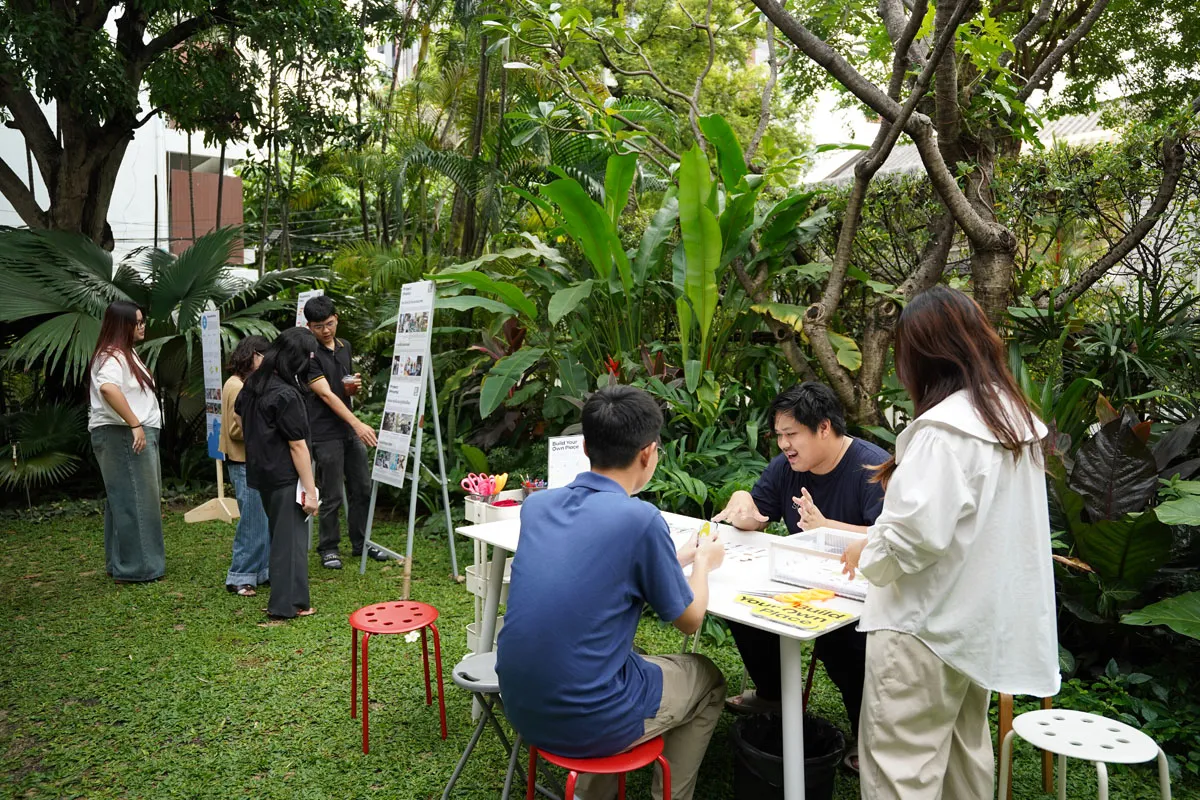
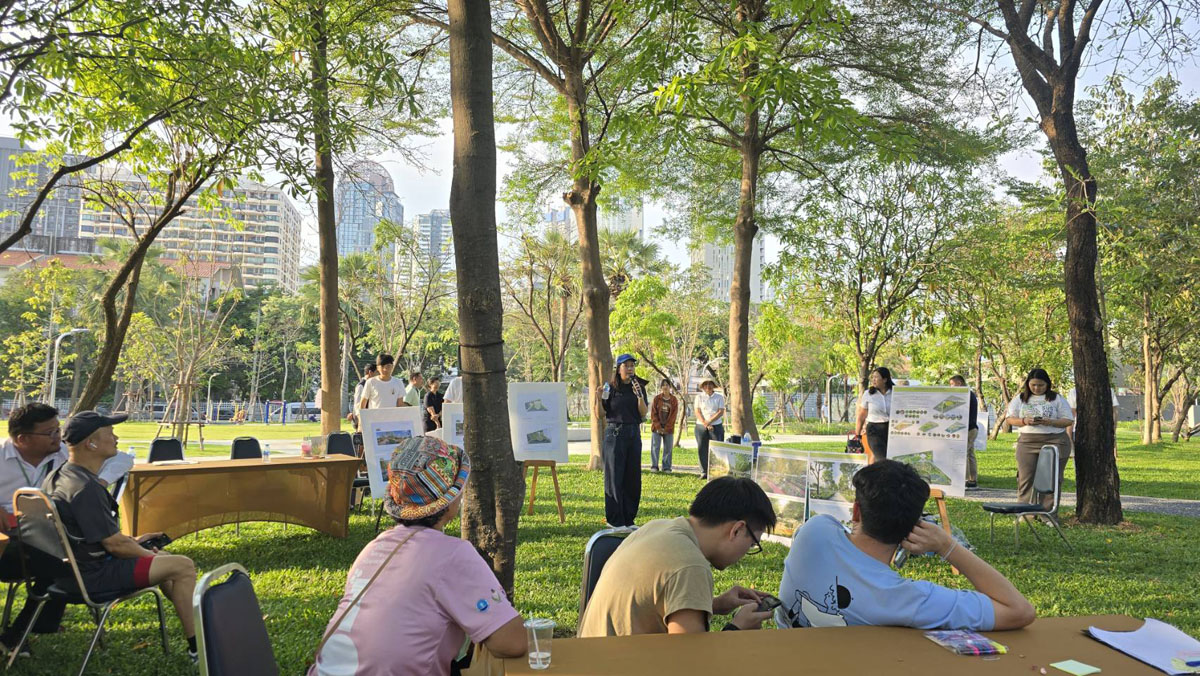
Namchai: We’ve had the opportunity to be involved in participatory processes in many different roles. I think one of the most important changes is how we communicate and create awareness about why community participation is important, and how it can help shape the project and the design.
From our experience, we’ve seen that people have become more aware of the value of participation and how it can contribute to a project. At the same time, we’ve learned how to work with different groups and situations. We started with smaller projects, and over time, each project gave us a different learning curve. It allowed us to take on more diverse roles and develop a more effective way of working with communities.
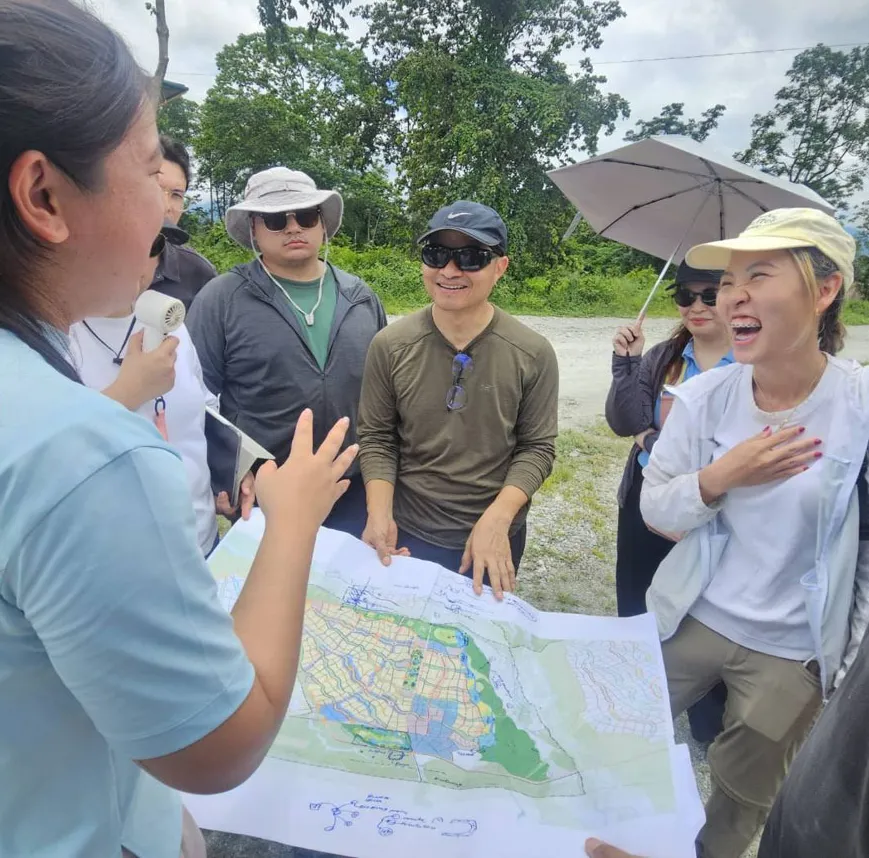
I think this continuous learning has helped us become more precise in how we engage with people and bring their input into the design process.
Prapan: I think these experiences have also allowed us to work at a larger scale and with increasingly complex situations. As the projects have grown, we’ve had to adapt our approach to different contexts, stakeholders, and community needs. This has helped us develop a more diverse and comprehensive way of working, while becoming more precise in responding to the specific conditions of each project.
Yossapon: I think this way of working has also changed the role of the designer. Most of the time, public and community spaces are already designed by designers or authorities. Nineteen years ago, designing for communities through a participatory process was still unusual. Over our 19 years of working together, we have learned that the process itself can be designed to involve all stakeholders, so their opinions are heard, ideas are shared, and solutions become more diverse.
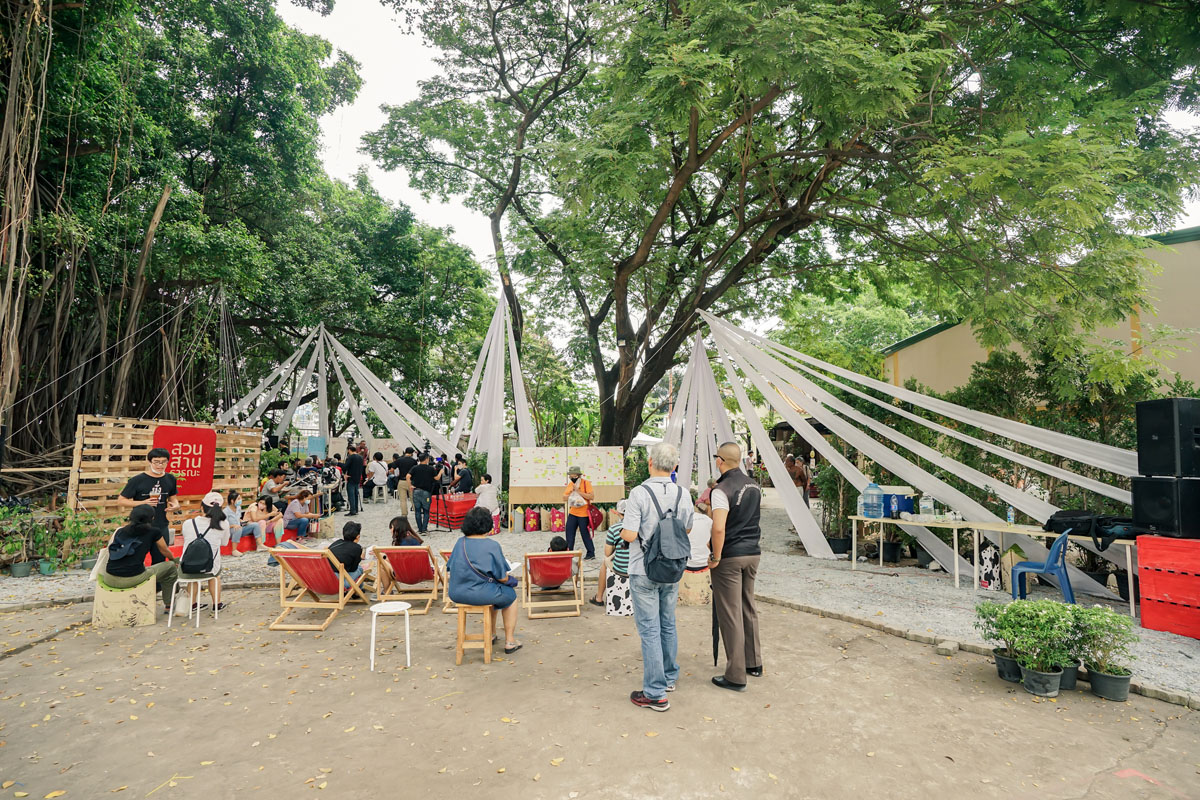
The role of the designer has also changed from someone who designs everything from the beginning to a facilitator who engages stakeholders and relevant resources to bring what the community needs to life.
One important change is in the public’s expectations. People now know that they have the right to voice their opinions and be involved in the process. This design process has become more widely accepted: people need to be involved, prototypes need to be tested, and feedback needs to be gathered from designers, public authorities, and even private-sector owners.
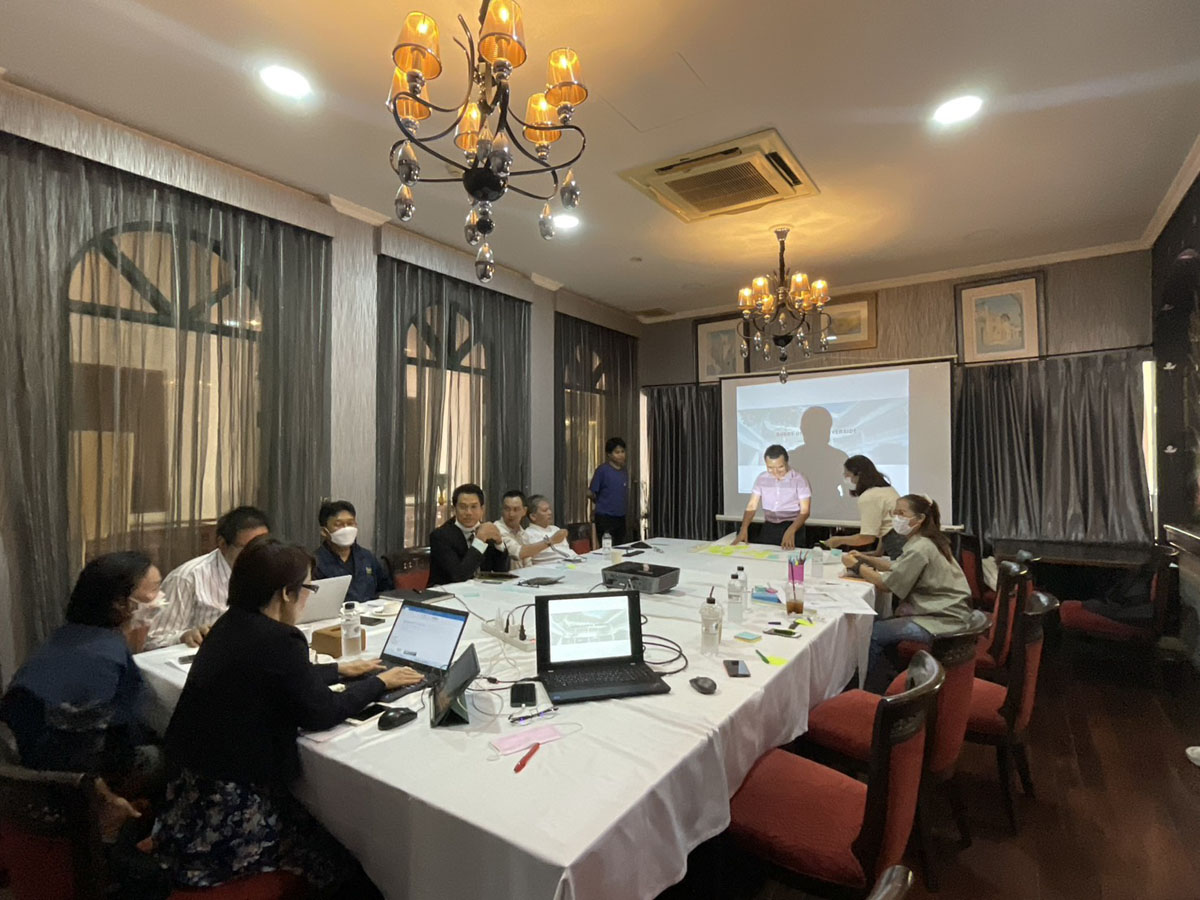
There is also a more open mindset toward this type of process, and it has helped us see public space differently, not just as something we design, but as something that can benefit people and the city in different ways.
WLA | Shma works across a wide range of project typologies. How do you ensure that “community-first” values remain embedded across commercial developments?
Prapan: We’ve seen a shift on the private-sector side, where developers are placing more importance on public space and are more open to talking about it. Many successful commercial projects are creating places where people want to spend time and create a sense of activity. Recently, we’ve seen more commercial projects making public space part of their goals, and we’ve also had opportunities to work on projects that create a wider social impact.
Yossapon: We’ve seen projects that focus on building space rather than creating a place, and they can fail because they don’t attract life or encourage people to interact with the space. I think the success of many projects comes from this idea: people attract life, and life attracts people.
That’s why developers, owners, and clients are increasingly looking at how to put people first, or take a community-first approach, because that’s where life can evolve.
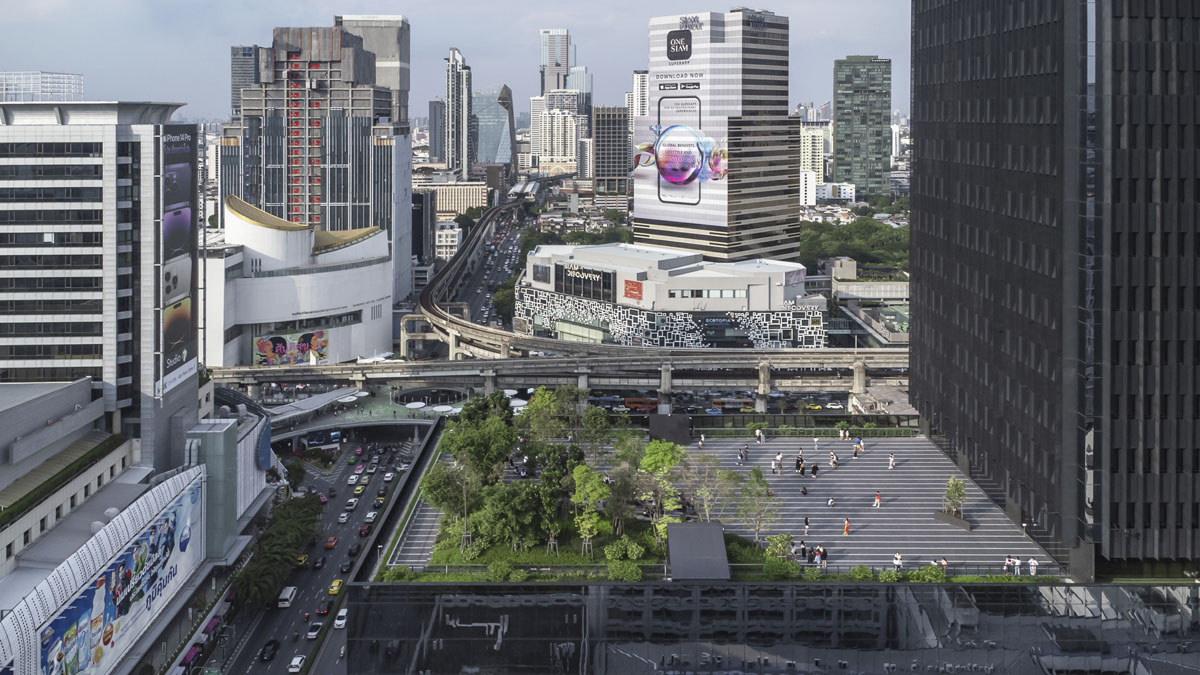
At Shma, we’ve been able to introduce our own service and design approach to analyze people’s behavior, develop processes to involve them, and find very specific solutions for each project. We also evaluate the projects afterward to see how they have turned out.
Through this process, we’ve seen that a people-first or community-first approach can help ensure that life happens in the space. And ultimately, it can benefit not only the development itself, but also the surrounding community.
Namchai: I think having public space within a commercial development can also create value for the project itself. Inside any building, property, or mall, there are people, and people are a community. We cannot separate the two.
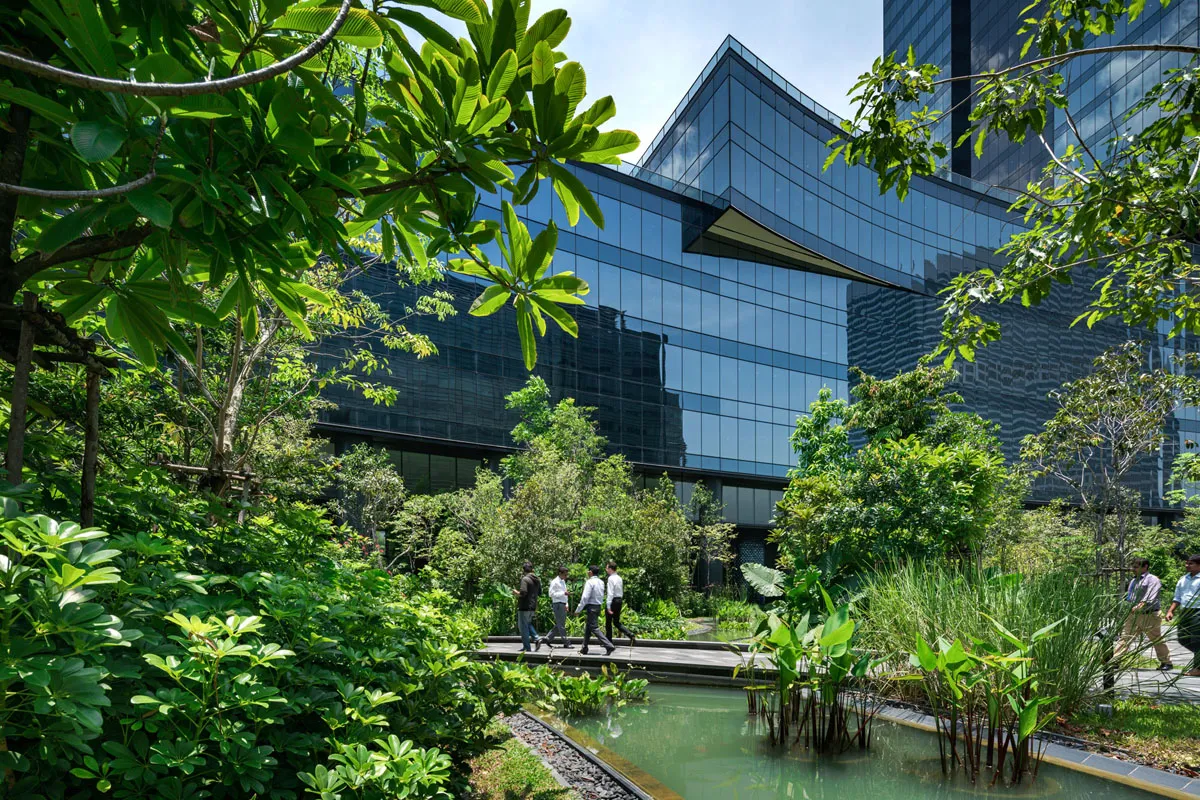
For example, with Sky Forest Scape, we created an elevated green space on the 10th floor. Even though it is up above the city, it has become a place where people come and go and spend time. It’s interesting to see how a space that is elevated from the ground can still become part of people’s everyday lives.
At Cloud 11, the landscape opens the development to the public through a large elevated park, with spaces for everyday activities, sports, and recreation. It also connects to the surrounding area through a linear park along Khlong Bang O.
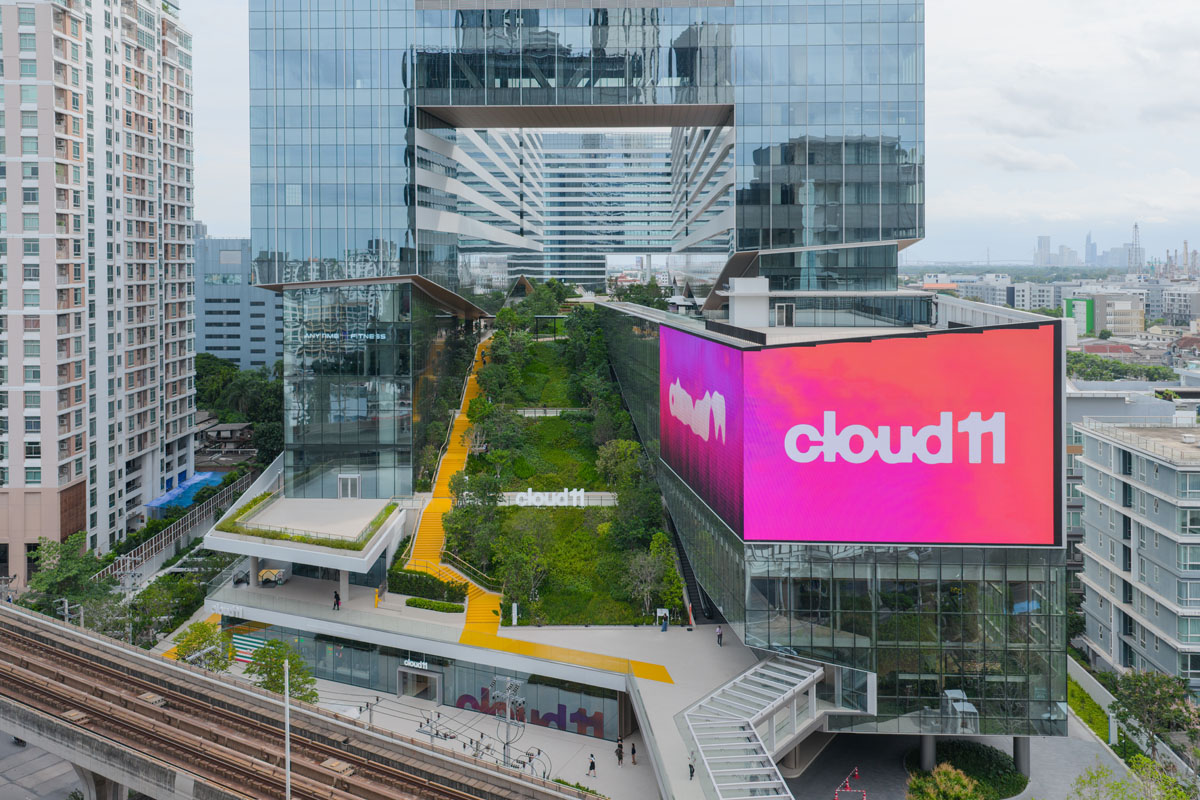
But of course, not every project will have a public space. Even in private projects like condominiums, we can still embed this community-first thinking as designers. We can look at the interface between the project and the public, for example, by opening up the front of the property or creating a green frontage. Even if people don’t live in the project, they can still benefit from it, even just through what they see or experience from outside.
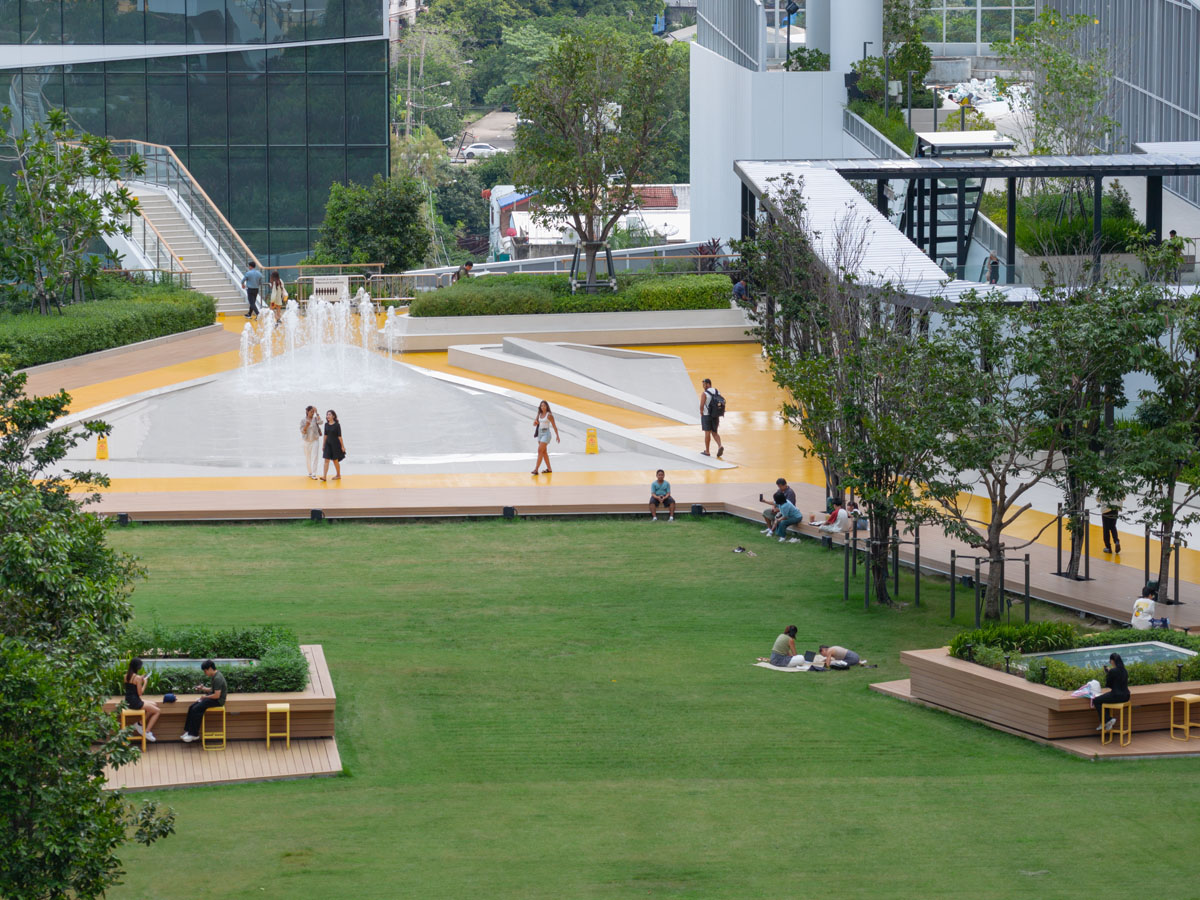
So for us, community-first thinking is not necessarily about creating a public space in every project. It is about finding ways for each project to connect with people and contribute to the surrounding community.
WLA | When designing spaces for communities, how do you measure success beyond aesthetics? What tells you a project has truly improved the community’s daily life?
Yossapon: Our goal is to create an impact on people’s daily lives. We design the process to involve communities from the beginning, ensuring that the design is used and responds to their needs and expectations. Therefore, the process starts with the communities and the people from the very beginning. From implementation to maintenance, they are also part of the process. All of these steps help create a sense of belonging within the community.
For me, this goes beyond simply responding to people’s physical needs in their daily lives. When people feel a sense of belonging, they are more likely to use and adapt the space in ways that go beyond what we, as designers, may have imagined. They can make the space their own and use it for whatever they need.
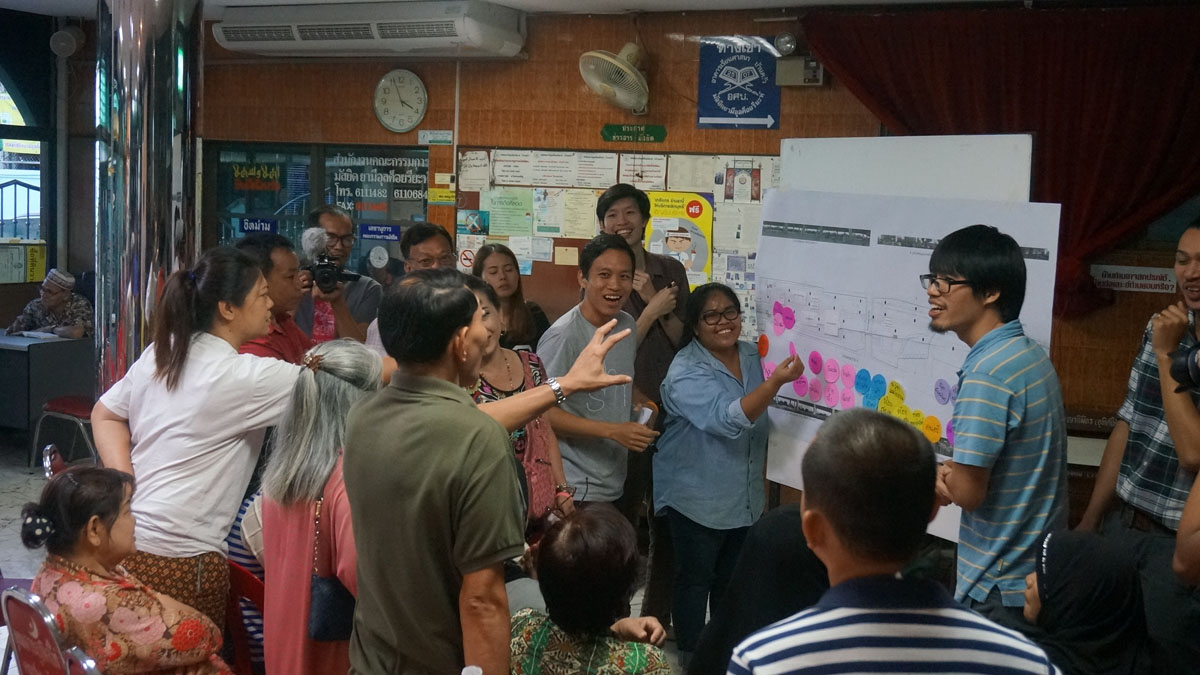
So I think this is a very crucial part of going beyond aesthetics. For me, design is not only about how a space looks or functions, but about creating a sense of belonging that allows people to truly make the space part of their everyday lives.
Namchai: And if it starts with participation, it pretty much ensures the project’s success because it creates a sense of ownership. Even as time goes by, the community remains involved, helping to maintain, monitor, and use the public space that we design together.
For me, another simple measure of success is whether people actually continue to use the space. We don’t want to create something that is eventually abandoned or no longer used. If people keep coming back and using the space as part of their everyday lives, then we know that what we designed is not going to waste.
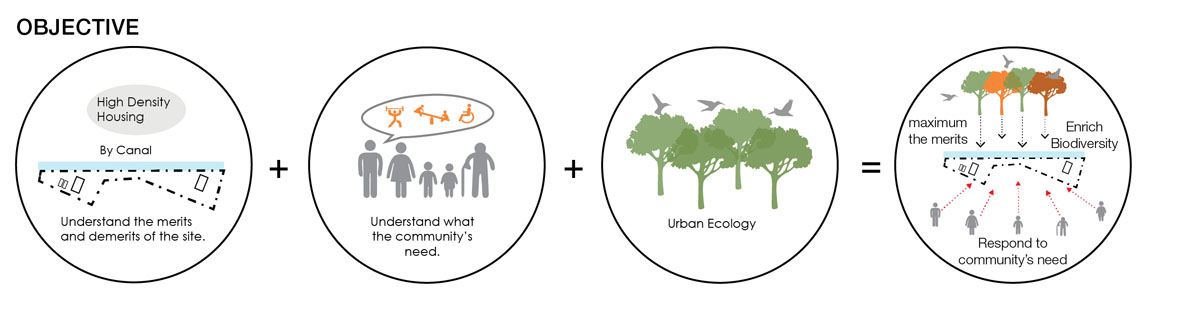
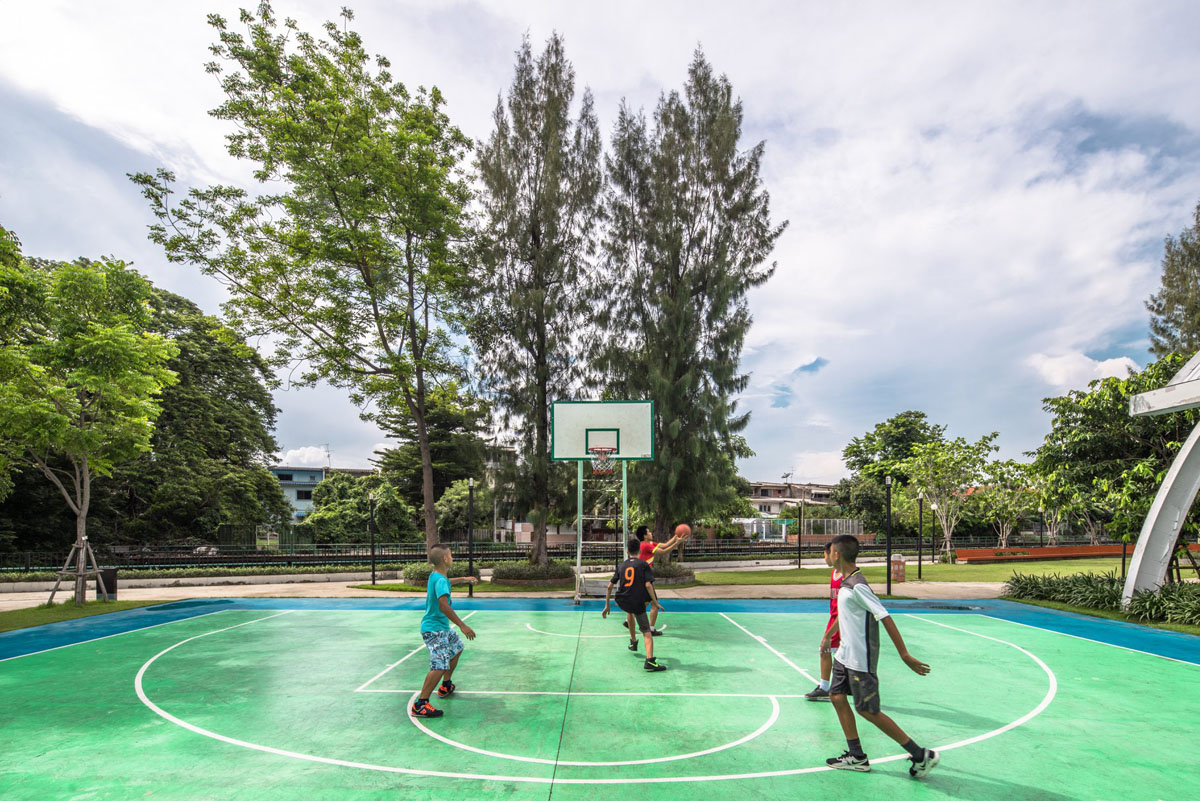
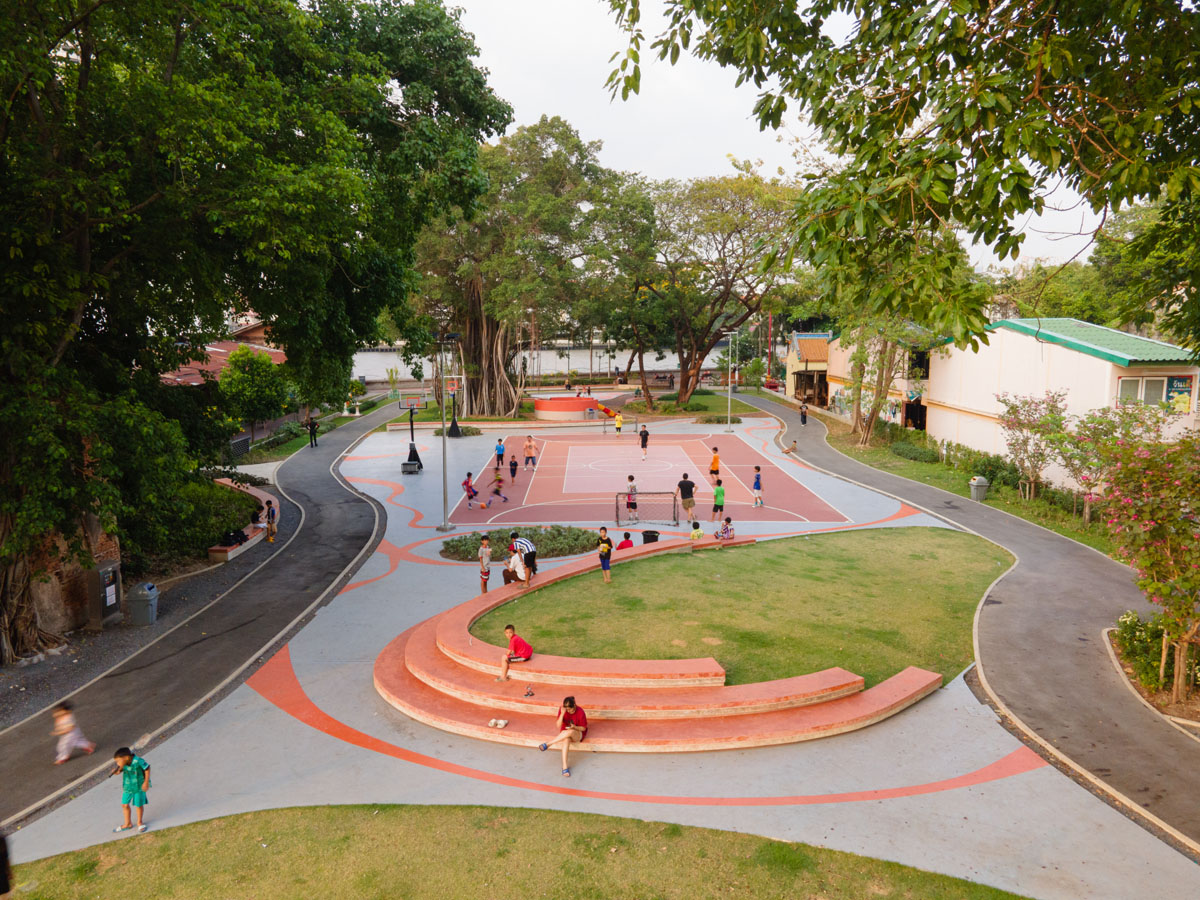
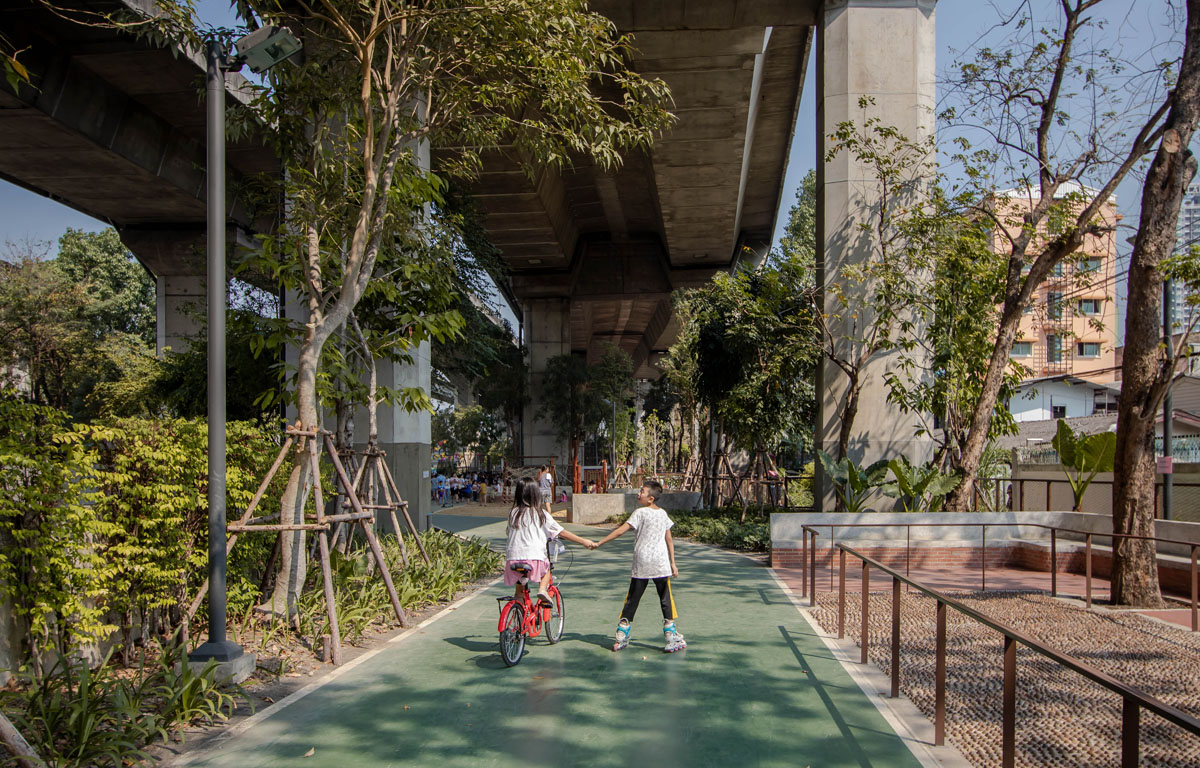
Another good measure is when these processes strengthen the community to the point where they can come together and even advise other communities on doing similar things. Lan Kila Pat 1 is a good example. In a dense urban community with limited public and shared spaces, we looked at the local lifestyle, patterns of use, and physical constraints to create a multifunctional space for sports, recreation, and community activities. The community has continued to use and manage the space, and Lan Kila Pat has become more than just a sports facility. It has become a public place shaped by the social, cultural, and environmental context of the community.
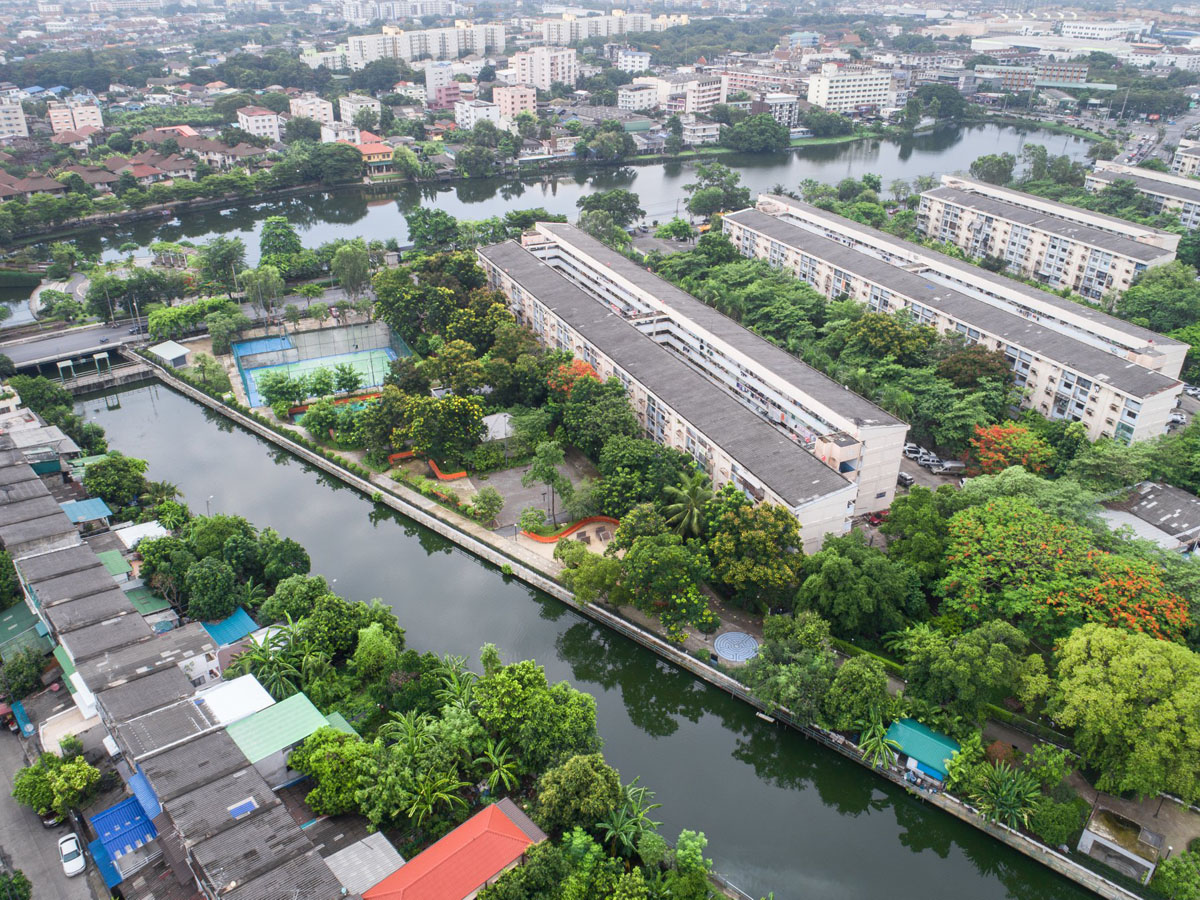
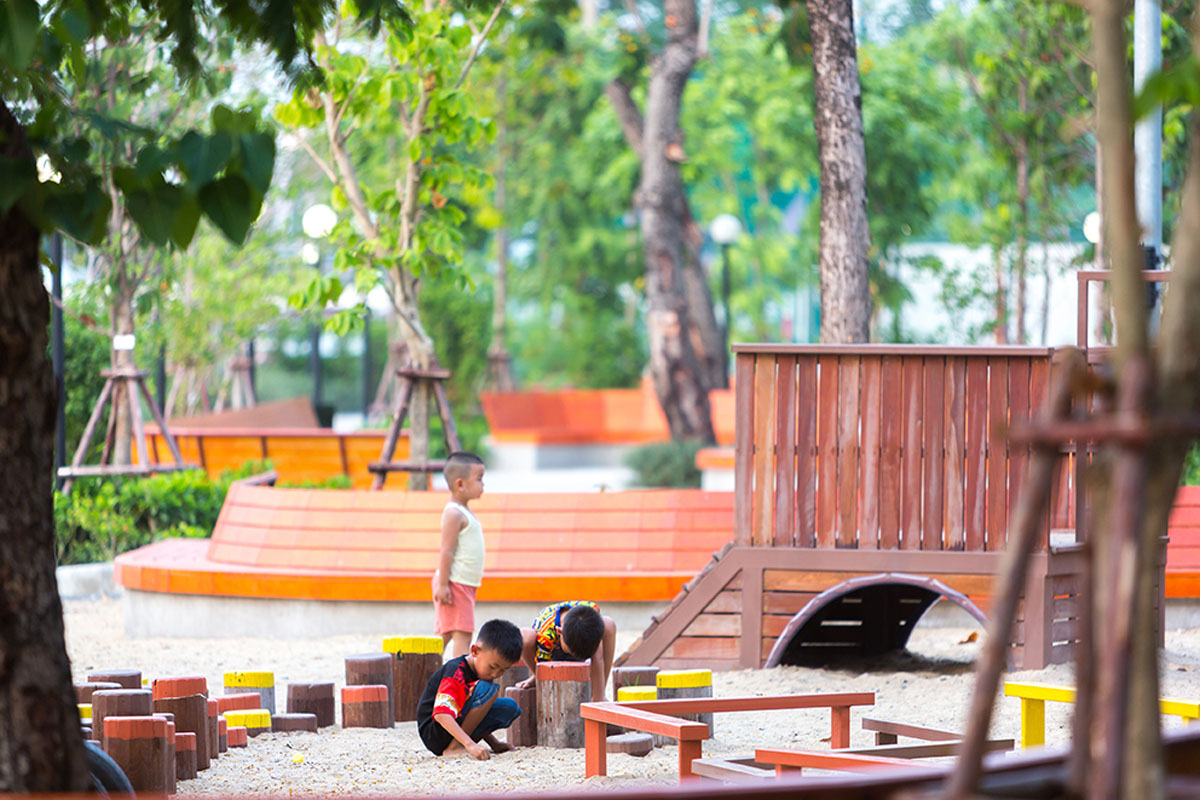
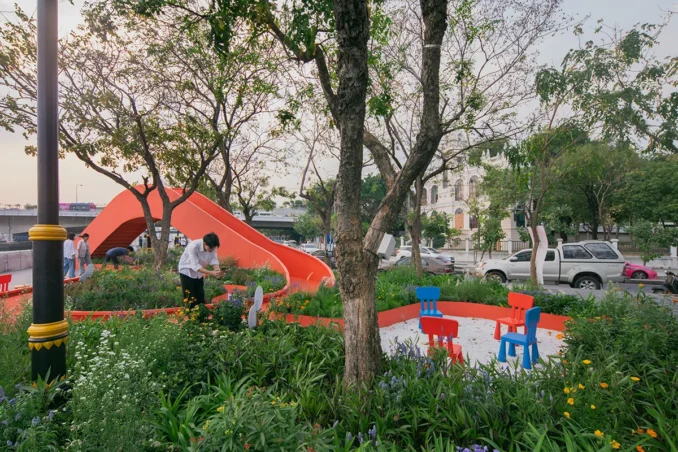
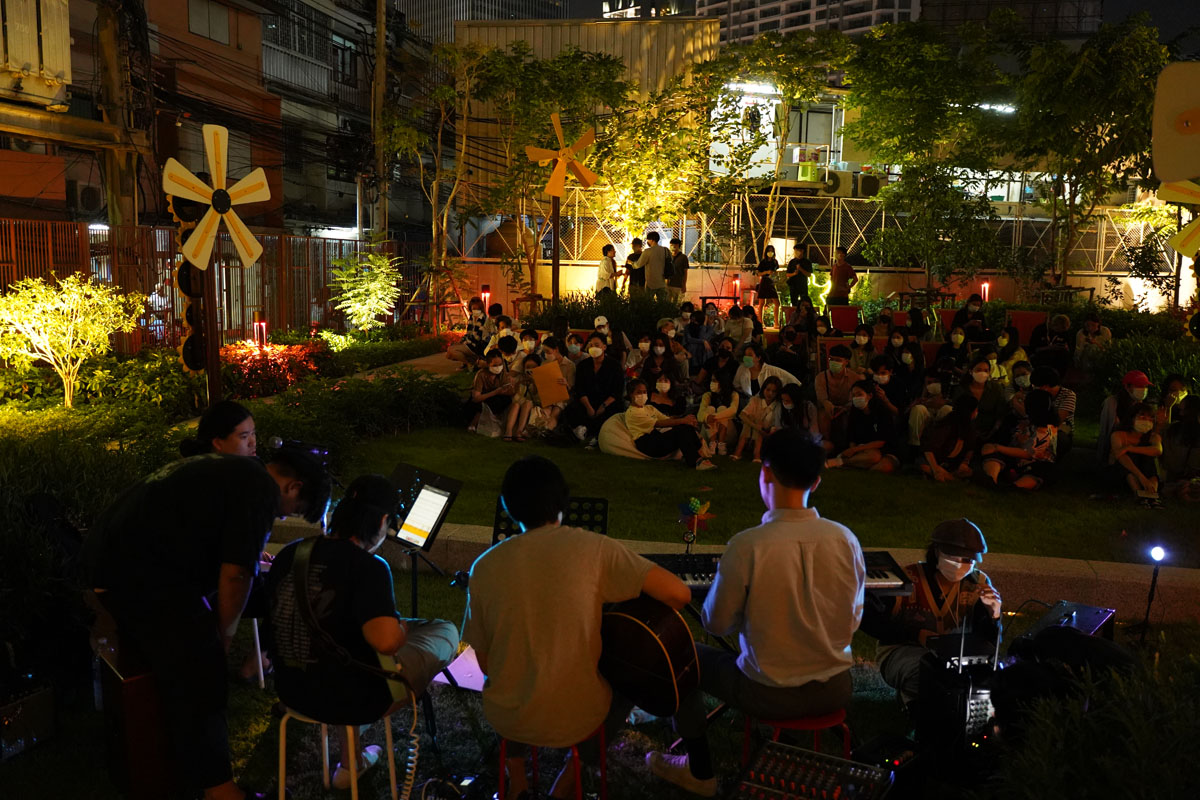
Prapan: We can also see this in Suan San Pocket Park. People use the space for activities during festivals, such as Children’s Day. This shows how the park integrates into their lives. They feel comfortable using it for their events, as a kind of community space for gatherings, discussions, and sharing opinions.
Yossapon: And I think it goes even further when people start modifying the space themselves, or there’s room to customize and adjust it further. That means they care about their space and want it to be better, without asking the designer. They might even propose things and do them themselves. I think there are things we can foresee and enable this flexibility in this kind of project
WLA | Shma has been part of several initiatives, including the Active City Forum and we!park that champion designing for communities through participatory design. Why is bottom-up community participation essential for long-term urban sustainability?
Yossapon: When we talk about communities, what we mean by community is everyone, including the private sector, the public sector, and even ourselves as members of the city.
For a long time, the role of people’s voices in developing cities has not been well recognized. We have often given this role to authorities or to others who make decisions on our behalf. So what Shma and the initiatives we are involved in try to do is show that there are alternative ideas and alternative ways of doing things beyond a top-down approach, in ways that really matter to people’s well-being and daily lives.
That’s why bottom-up participation matters. It makes every voice matter and gives stakeholders the opportunity to express their opinions, listen to other perspectives, and find ways of working together. I think the first step toward a more sustainable city is to engage everyone. Once people have a sense of ownership and responsibility, the city can move forward with everyone, rather than being designed to benefit only certain groups.
It also helps us understand what people really want and make sure that whatever investment we make, including government budgets, is used effectively. And I think this sense of belonging should extend beyond individual parks or projects. People should feel that they belong to the city as a whole.
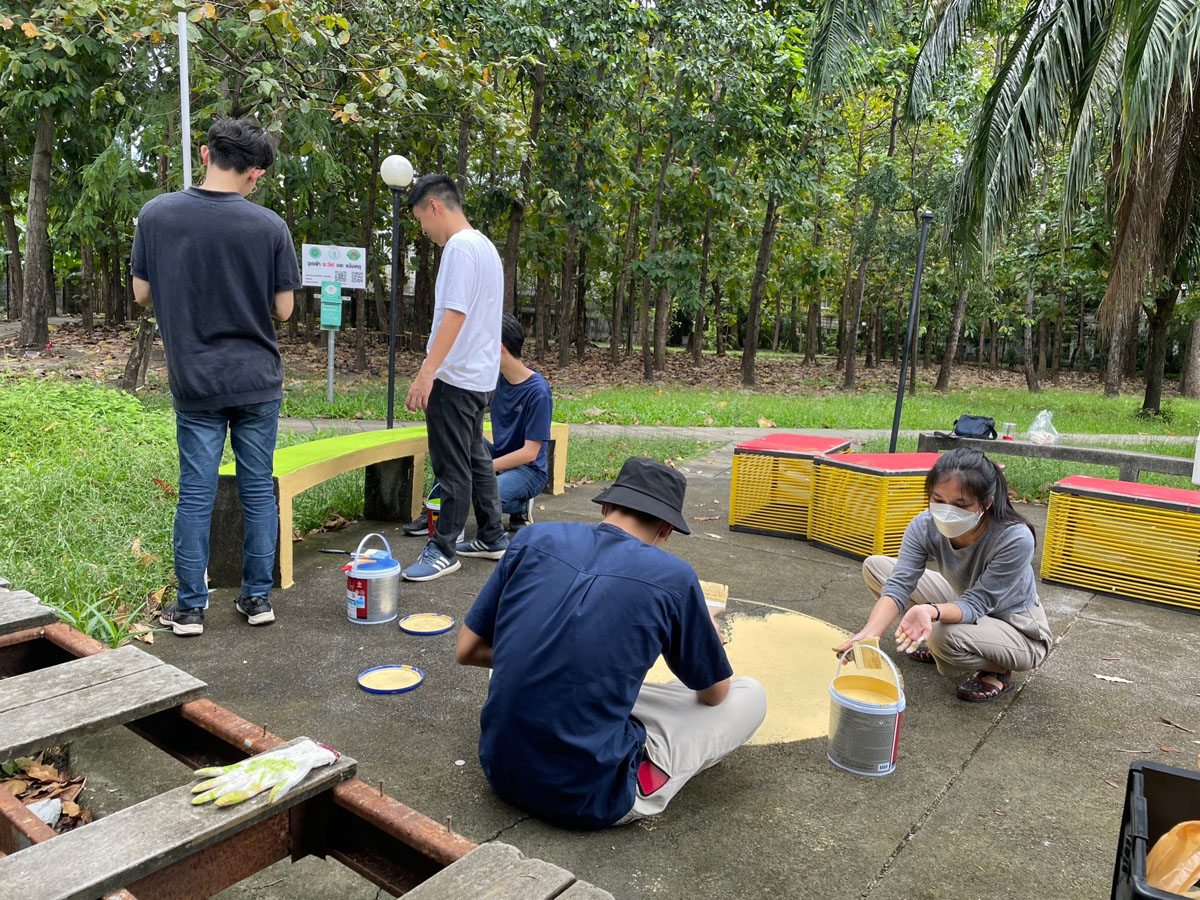
Our role also doesn’t stop when a project is completed. As designers, we can do more than design and draw. We can initiate conversations, talk about policy, activate spaces, and use communication as a tool. All of these roles can help us move toward the ultimate goal: a sustainable city where everyone feels that they belong.
Prapan: We established we!park because we saw a gap in the process of creating good public spaces. We believe that both the government and the private sector want to create good public spaces for people, but there was a lack of a negotiator or platform who could bring different stakeholders together for effective and creative discussions, and help them find solutions that benefit everyone. We call this the co-investment model, involving the restoration of fragmented land and collaboration to transform abandoned land into pocket parks.
That’s why we created we!park. We believe this role has proven effective in making public spaces created by the government more successful, by helping different stakeholders work together toward a common goal.
Namchai: Bottom-up community participation also gives people a voice from the policy-making stage, which normally doesn’t happen very often. Once people are involved, their input can help direct many things, from how the budget is used, where the space should be located, and who will use it, to how the space will be operated.
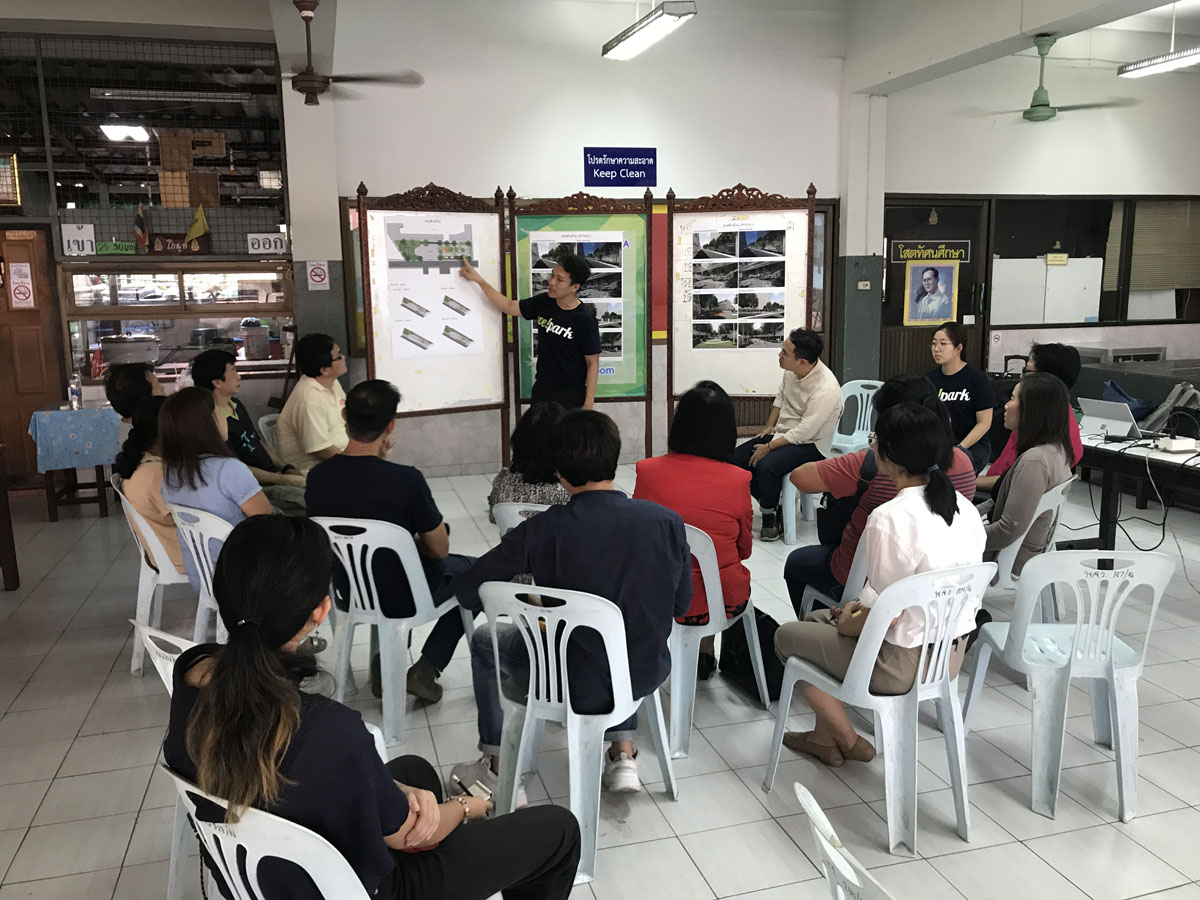
And importantly, it helps us balance different needs and perspectives. No one can get everything they want one hundred percent. There has to be a common ground that everyone can accept. I think finding that balance is what helps make the process and the outcome more sustainable.
WLA | Through your experiences, what advice do you give young landscape architects who want to design better places for communities?
Yossapon: For me, I just want them to remember that you are part of the community too. You are not separate from it. If you want to live in a good place, in a good city, you can help create it. As a landscape architect, you have the ability to balance different things: the built environment with nature, bottom-up with top-down, and commercial interests with the public benefit. Even with a small project, consider how you can extend its impact beyond its boundaries.
Sometimes, you may need to initiate your own project. When you don’t have a client but want to do something because it matters to you and the community. And lastly, find friends who share the same vision. When you find people who support you, you have more ability, encouragement, and empowerment to continue in this role.
This path is not easy and comes with many challenges, so you need perseverance along the way. But you also have to enjoy every small step you take and the things you achieve along the way. So, be persistent.
Prapan: In our broader role as designers, we don’t just design spaces according to a single stereotype, because each project is vastly different—the space itself, the environment, and the social context. Also, as landscape designers, we design for a large group of people. It’s not only one house or small unit.
So, it requires curiosity to learn about the wider world and an understanding of social issues to create projects that go beyond aesthetics. We need diverse areas of knowledge and need to find ways to apply them to our work.
Namchai: Learn to listen. Listen to the community, to the place, and to the people around you. Sometimes, the best design does not come from having all the answers, but from being willing to listen and learn.
WLA | The year is 2046. What fundamental shift in landscape design needs to happen today to guarantee a livable future for future generations?
Yossapon: I think we are living in a challenging and uncertain future, with climate change and social shifts. People are looking for landscapes that not only deliver physical and aesthetic value, but also improve health and mental well-being, support ecology, and create better places.
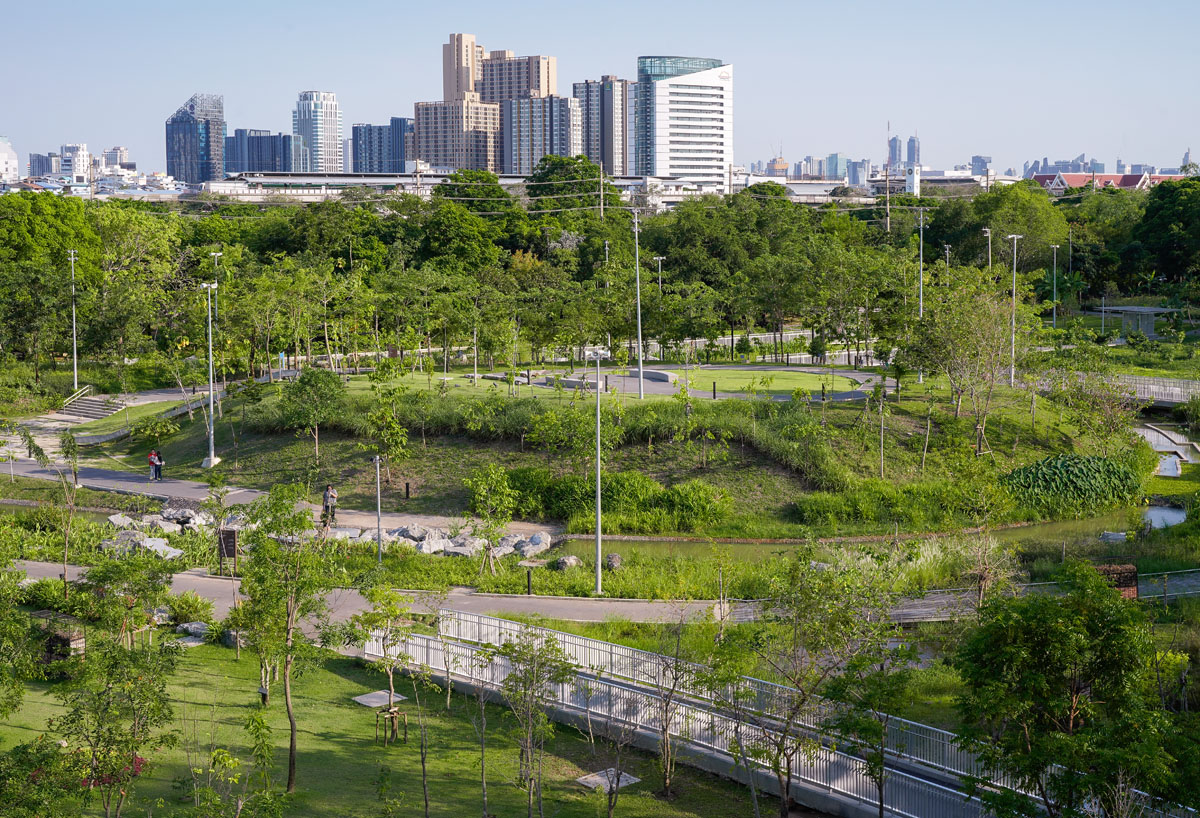
What Shma is trying to do over the next 20 years is shift from designing places as spaces to designing them as living systems. We need to understand the ecosystems of both people and nature, and find ways to translate that understanding into physical spaces and meaningful impact. This means embracing more disciplines and collaborating with ecologists, scientists, engineers, and others to ensure that the living systems we create have a real impact that focuses on performance-based
Nature-led design is becoming increasingly important because the increasing speed and severity of environmental disasters are already warning us. We need to find a way for humanity and nature to coexist.
Prapan: To put it simply, we don’t necessarily need to shift dramatically. We need to do what we should already be doing, but do it well, to preserve the value of nature and align human activities with what nature needs to sustain itself. It sounds simple, but it’s actually very difficult.
One example is our work on Gelephu Mindfulness City in Bhutan, where planting is not simply about making the city greener. We see plants as part of the infrastructure that can connect forests, waterways, wildlife habitats, and public spaces. By using native species and working with the natural systems of the site, the landscape can support biodiversity, resilience, and people’s quality of life at the same time.
Namchai: With the changes we are seeing, we have already gone beyond what we previously knew. The increasing frequency and extremity of these events show that what we know is not enough. So, if possible, we should do less, protect as much of what already exists as we can, and only do what is necessary. We should minimize our impact rather than change everything and risk failing. Even engineers are moving toward the same answer: nature-led design.
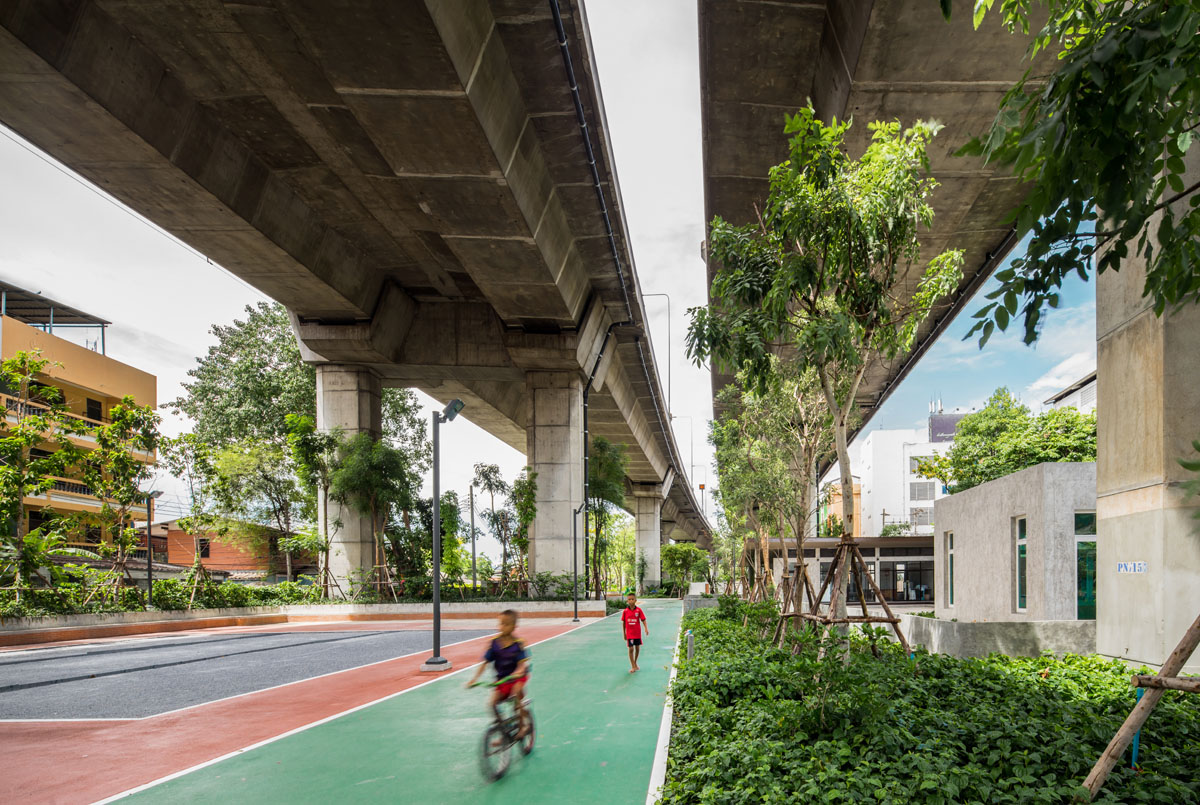
Yossapon: I think we have been shifting toward this for the past 10 years, using nature as a guide in our projects, but we are trying to integrate this approach even further.
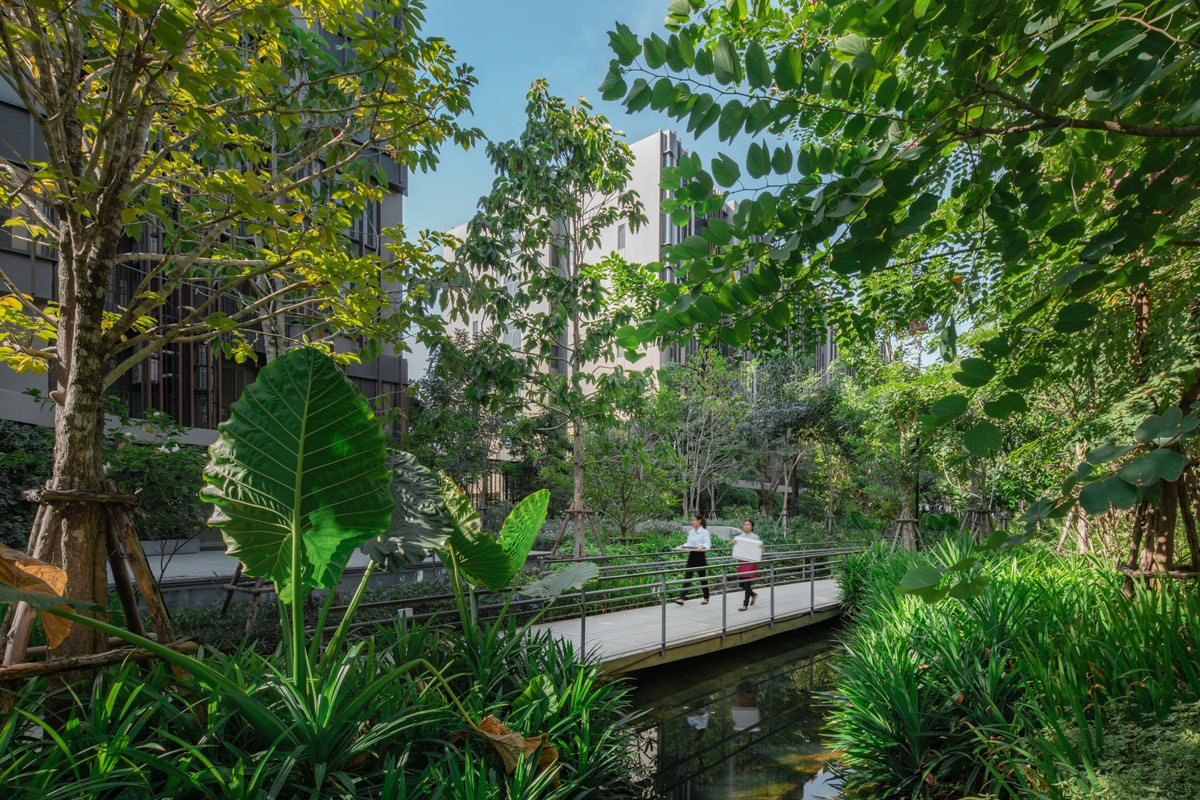
This is what nature-led design means: learning from nature and allowing those systems to guide how we design, how we live, and how our cities grow over time. We are not just designing landscapes for today. We are creating living systems that can continue to support future generations.
WLA appreciates the founders of Shma – Yossapon, Prapan, and Namchai – for sharing their experiences and their optimistic vision for 2046.
Be the first to comment