
As landscape architects, we are striving to design and maintain biodiverse landscapes that mitigate climate change and the biodiversity crisis. While it’s great to include more species in our planting designs, simply increasing the species number isn’t enough. It’s important to think more deeply about how these species work together to truly enrich our landscape.

Microclimate and scale considerations
Landscape architects often design landscapes in urban environments (courtyards, pocket parks) with modified soils and microenvironmental variables such as radiant heat, altered wind patterns, and rain shadows. These environments require careful consideration when selecting plant species to create biodiverse landscapes; however, large-scale projects, including revegetation, require even more careful selection to create biodiverse, resilient landscapes because of site scale and the geology, hydrology, existing vegetation, and climate.
More than species mix
For over three decades, we have known that “diversity (a synonym of biodiversity and biological diversity) includes both number and composition of genotypes, species, functional types and landscape units in a given (eco) system” [1]. Therefore, when selecting and specifying plant species, we need to consider local site characteristics, species richness, functional traits, and genomic composition. Getting these considerations right allows us to build resilience and ecological redundancy into the design, so that if a pest or climatic impact (drought, heatwave, increased cold, etc.) occurs, ecosystem stability can be maintained. For example, a heat-resistant plant can maintain canopy cover and soil stabilisation while other plants in the ecosystem may decline.
The Growing Importance of Genomics
Looking beyond species and functional traits requires designers to consider genetic diversity within species. We often specify species but neglect the plant’s source (provenance), which can lead to planting genetic clones (or uniformity) through vegetative cloning or poor seed collection practices.
With advances in plant genomics, which is the “study of the way genes and genetic information are organised within the genome, the methods of collecting and analysing this information” [2], we can start to understand species traits; however, as the focus has previously been on food crops and forest trees [3] we don’t have enough data for a broad range of species.
Recently, initiatives such as the Genomics for Australian Plants (GAP) framework [4] have generated plant genomic data to enable better conservation and understanding of plant diversity. Along with other science initiatives, such as sequencing full genomes and mapping genomic variation in Acacia pycnantha, which provide insights into “evolution, conservation, breeding, invasiveness, and physiology of the genus”[5], we can see precedents for studying other plant species, which in turn inform seed collection based on provenance, adaptive capacity, and genetic diversity.
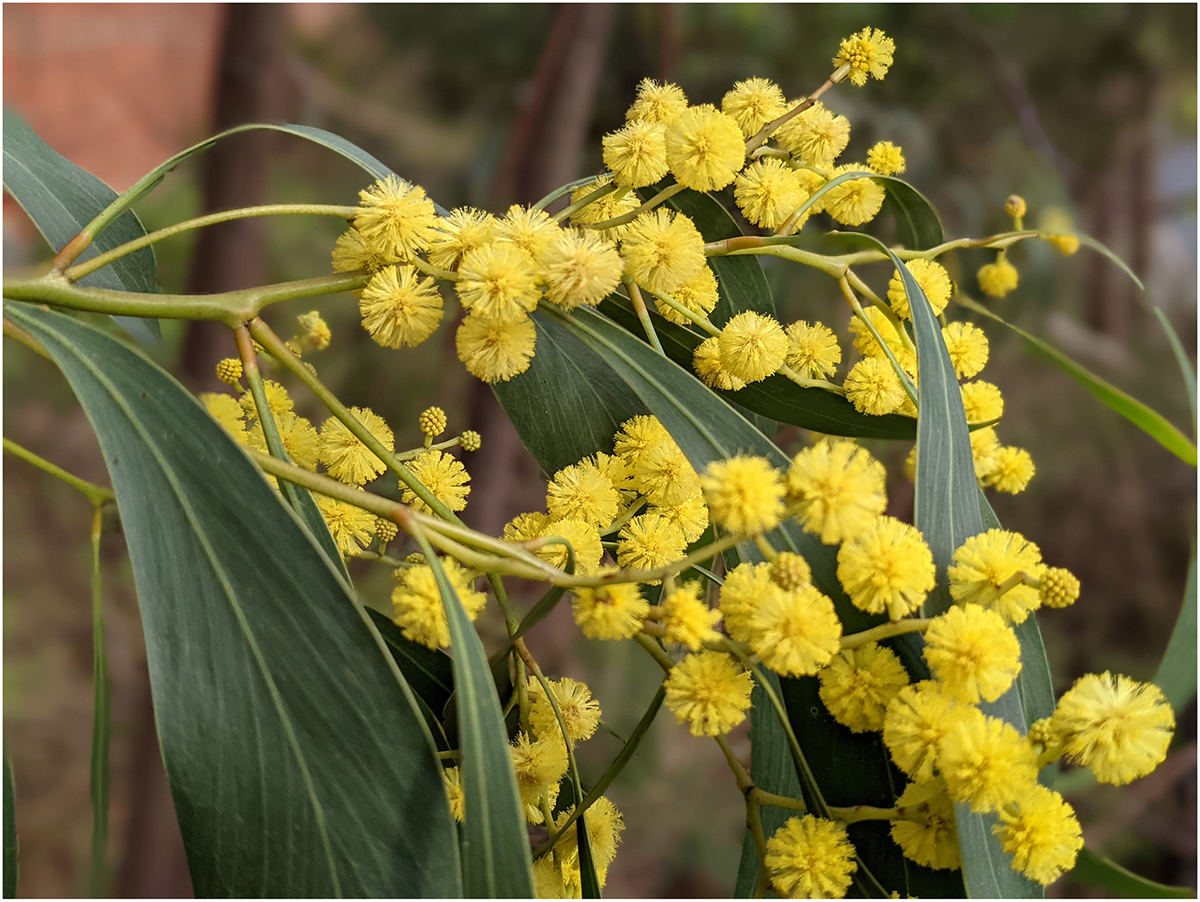
Changes in genomics have led to “The advent of high-throughput molecular sequencing has opened up new tools for conservation and approaches that can be implemented at scale.[6]. This bodes well for understanding plant communities and developing better practices for collecting plant material and seeds for seed banks, herbaria, and nursery production. Also, “The availability of public genomic resources can greatly assist biodiversity assessment, conservation, and restoration efforts by providing evidence for scientifically informed management decisions.”[3]
These initiatives improve our understanding of genetic diversity, helping us select plants for conservation and regeneration initiatives that are resilient and meet our biodiversity objectives. This is especially important as many countries signed up to the Kunming-Montreal Global Biodiversity Framework, which requires “urgent and transformative action by Governments, and subnational and local authorities, with the involvement of all of society, to halt and reverse biodiversity loss…” [7]
Designing for Biodiverse landscapes
As landscape architects, we have often relied on plant lists from well-known plant designers, governments, institutions, nurseries and conservation groups to create planting designs from gardens to large-scale rehabilitation and conservation work. Although these lists are useful, we need to understand the functional traits and relationships. Many designers and groups have already moved toward more biodiverse designs; however, everyone should keep the following points in mind when developing planting schemes.
Environmental Baseline Assessment
First, understand the existing soil, geology, vegetation, fauna(existing & local extinction), and climate, and consider the impacts of proposed site modifications (heat, water, light, wind, compaction, modified soils, etc).
Matching Traits to Site Conditions
By understanding the constraints and microclimate, we can identify the site’s niches and select plants based on appropriate traits (light tolerance, drought/water tolerance, root structure, habit, hardiness, phenology, etc.) to create a biodiverse, resilient landscape.
Plant Provenance and Climate Adaptation
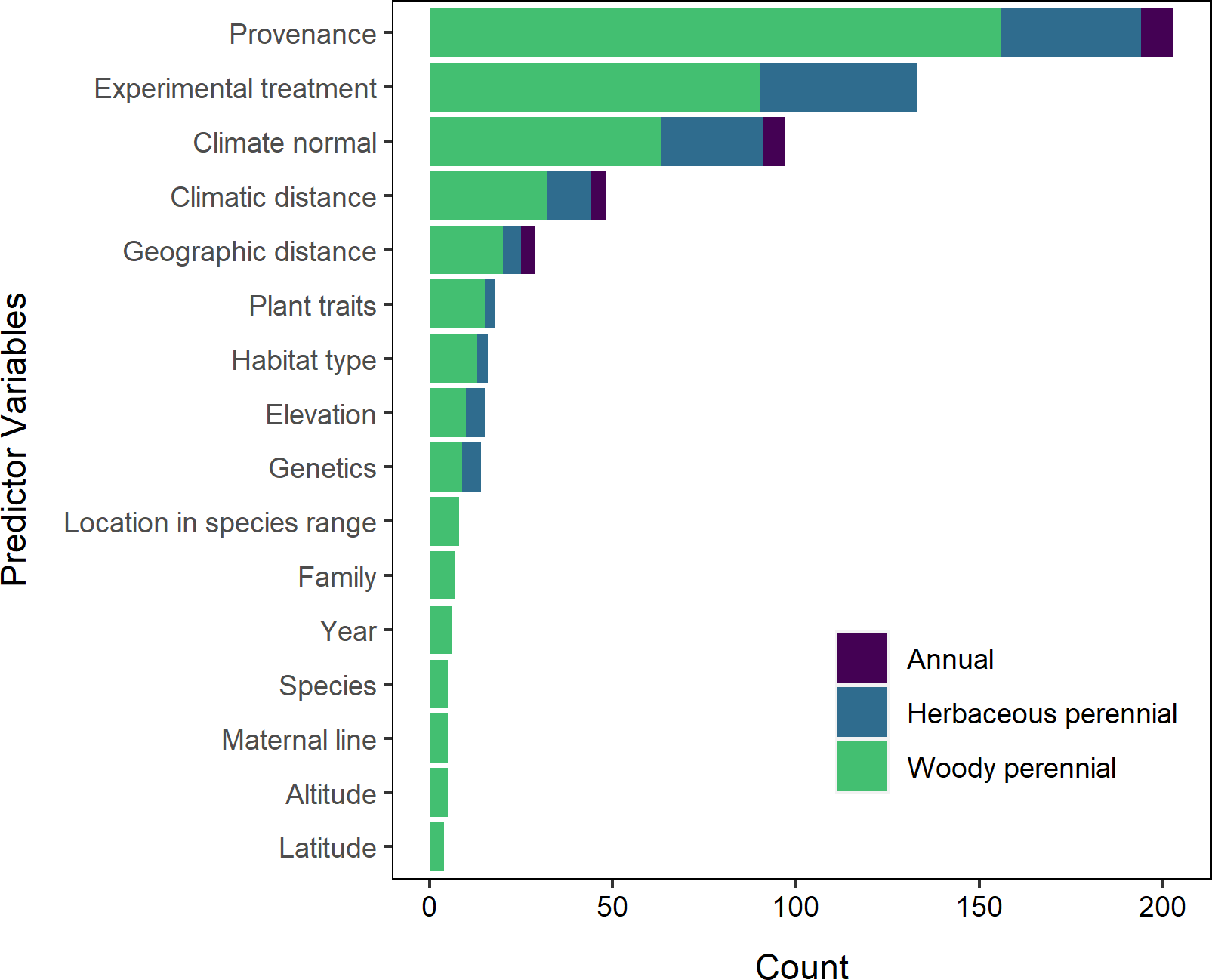
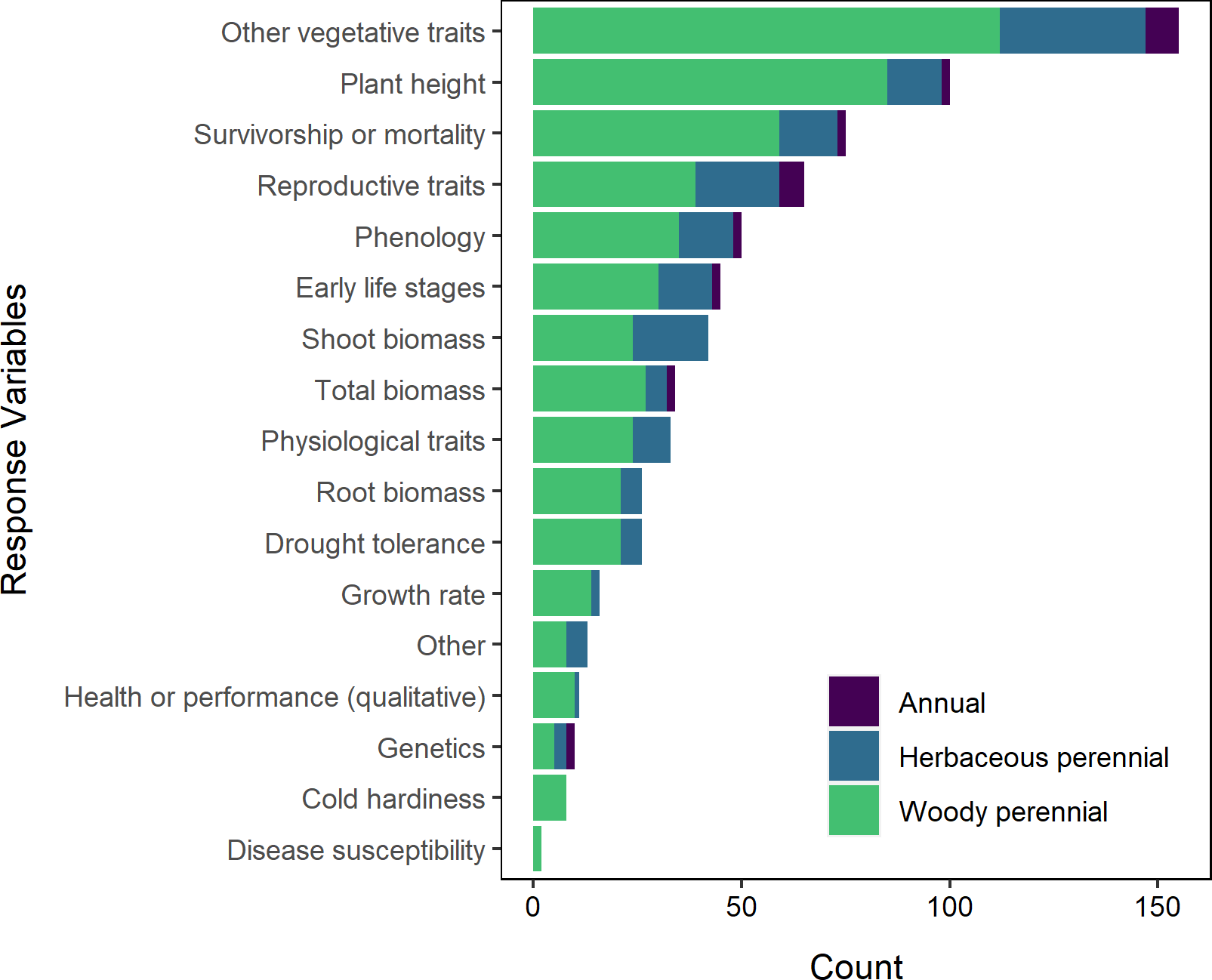
When specifying plant species, we need to consider the source material (seed and vegetative), provenance, and traits. This also involves considering the effects of climate change, as “The ‘local is best’ for seed sourcing paradigm is predicated upon the assumption that ecotypes are genetically adapted to their local environment. However, local adaptations are potentially being outpaced by climate change….” [8]. When developing your species list, you may select different seed provenances to account for climate change, such as increased heat or humidity. However, you need to determine whether your client and local authorities allow plants from non-local provenances because of concerns about disrupting or polluting the local population.
Designing with Plant Communities and Interactions
Plants interact in many different ways, both negative and positive.[9] When developing your plant selection, understand plant communities, including plant-animal relationships, soil fauna, and mycorrhizal communities. Select plants with complementary functional traits and incorporate positive interactions (resource partitioning and facilitation) and negative interactions (species interference and competition)[10] in your design.
Plant Sourcing and Procurement
Before creating a plant list, seek out nurseries that undertake specialist growing and can source seed (or vegetative material) with known provenance to reduce the chances of substitutions on projects. On larger projects, you will most likely need nurseries that will contract-grow plants and are willing to source or collect seed for the plant species specification you require. Some conservation groups (Friends of) are also willing to undertake specialist growing; however, they are often seasonal and require advance orders. These are the preferred methods, as landscape contractors may not be willing to take on the responsibility of sourcing and verifying the supplied plant stock unless you provide the preferred supplier.
Partner with experts
While landscape architects often have a good grounding in plant selection, we often lack the time and skills to research and understand complex genomic information and databases. Partnering with ecologists, botanists, or science institutions is often the best approach to selecting species and provenances that meet site conditions, aesthetic outcomes, and biodiversity objectives. Partnering with these experts also provides information on rare and threatened species that you could help conserve by including them on your site.
Experiment with planting design
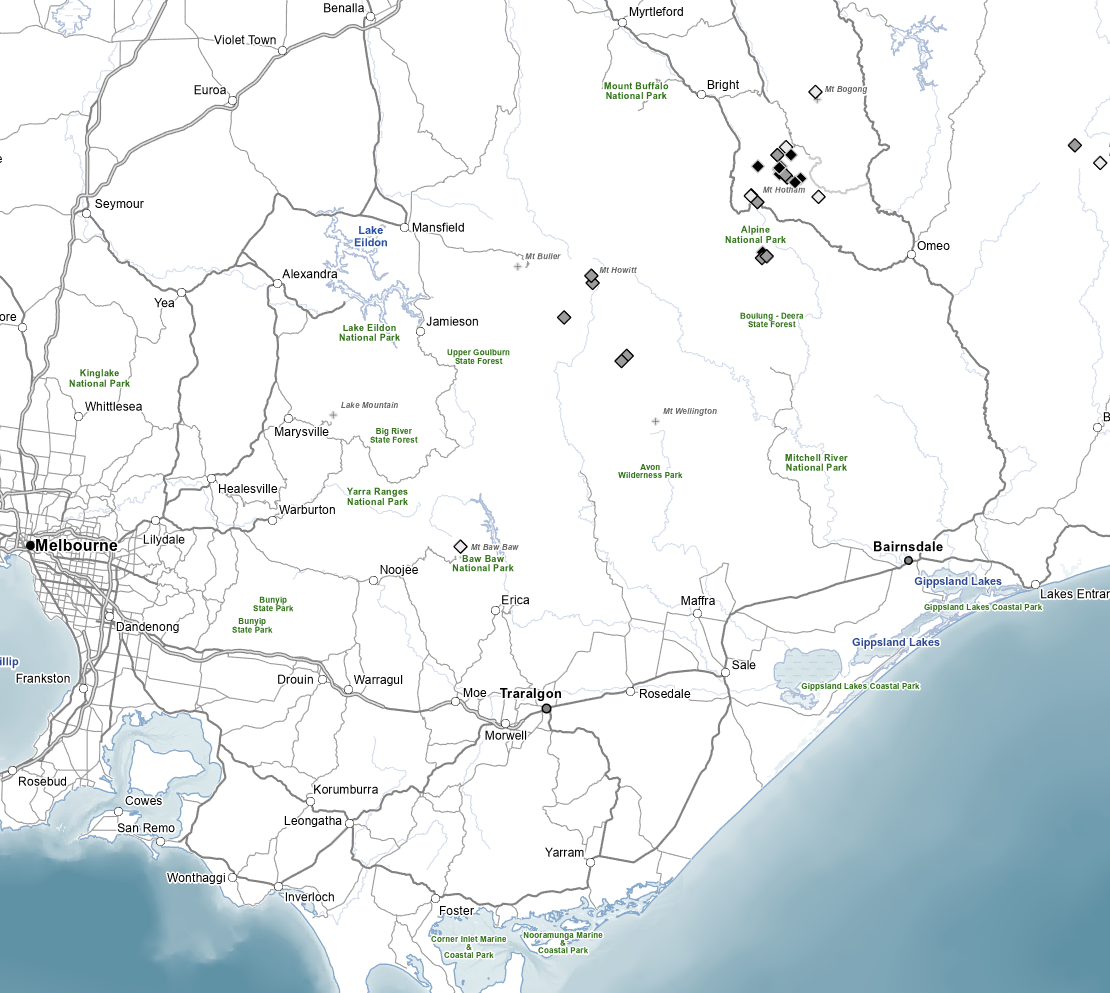
Gaps in our knowledge of plant genomics and traits should embolden us to experiment with planting design. While following best practices in sourcing seeds and plant materials helps reduce inbreeding and preserve genetic diversity, we should advocate for conducting live field trials, as experimental interactions are essential to develop dynamic plant communities. We can then observe and study these communities for future initiatives. Experimentation can be difficult when designing a residential garden or commercial landscape; therefore, we should partner with universities, botanic gardens, nurseries and other institutions to fund and develop research and testing.
Undertake Vital Steps
We need to improve planting design by moving away from predetermined species lists, species counts or percentages of vegetation classes. Creating biodiverse planting designs is more complex, and we need to embrace functional traits, genomic diversity, and living networks that sustain landscapes over time. Relying solely on known plant lists may produce a predictable aesthetic outcome, but it misses vital steps and can lead to a fragile landscape that is a single heatwave or pest outbreak away from failure.
Article by Damian Holmes, Editor of World Landscape Architecture
References
[1] Sandra Dı́az, Marcelo Cabido, Vive la différence: plant functional diversity matters to ecosystem processes, Trends in Ecology & Evolution, Volume 16, Issue 11, 2001, Pages 646-655, https://doi.org/10.1016/S0169-5347(01)02283-2.
[2] Campos-De Quiroz, Hugo. Plant genomics: an overview. Biol. Res. [online]. 2002, vol.35, n.3-4, pp.385-399. http://dx.doi.org/10.4067/S0716-97602002000300013.
[3] K Theissinger, C Fernandes, G Formenti, et al. How genomics can help biodiversity conservation. Trends Genet. 2023 Jul;39(7):545-559. doi: 10.1016/j.tig.2023.01.005. Epub 2023 Feb 16. PMID: 36801111
[4] L Simpson, DJ Cantrill, et al. (2025) The Genomics for Australian Plants (GAP) framework initiative – developing genomic resources for understanding the evolution and conservation of the Australian flora. Australian Systematic Botany 38, SB24022. https://doi.org/10.1071/SB24022
[5] TGB McLay, DJ Murphy, GD Holmes, S Mathews, GK Brown, et al. (2022) A genome resource for Acacia, Australia’s largest plant genus. PLOS ONE 17(10): e0274267. https://doi.org/10.1371/journal.pone.0274267
[6] D.C. Cantrill and T.G.B. McLay, From Mueller to the genomics era: plant conservation at Royal Botanic Gardens Victoria, Muelleria 43, 2025, https://www.rbg.vic.gov.au/science/journal/muelleria-43-genomics-special-issue/
[7] UNEP, Kunming-Montreal Global Biodiversity Framework, December 2022, https://www.cbd.int/gbf
[8] P Vitt, J Finch, RS Barak, A Braum, S Frischie and I Redlinski (2022) Seed sourcing strategies for ecological restoration under climate change: A review of the current literature. Front. Conserv. Sci. 3:938110. https://doi.org/10.3389/fcosc.2022.938110
[9] R.W. Brooker, F.T. Maestre, et al (2008), Facilitation in plant communities: the past, the present, and the future. Journal of Ecology, 96: 18-34. https://doi.org/10.1111/j.1365-2745.2007.01295.x
[10] Jing Tao, Charles A. Nock , Eric B. Searle, Shongming Huang, et. al. (2024) Partitioning changes in ecosystem productivity by effects of species interactions in biodiversity experiments eLife 13:RP98073 https://doi.org/10.7554/eLife.98073.1
Bibliography
Sandra M. Durán et al. ,Informing trait-based ecology by assessing remotely sensed functional diversity across a broad tropical temperature gradient.Sci. Adv.5,eaaw8114(2019).DOI:10.1126/sciadv.aaw8114
C.J. Hogg, Translating genomic advances into biodiversity conservation. Nat Rev Genet 25, 362–373 (2024). https://doi.org/10.1038/s41576-023-00671-0
R.A. Marks, S. Hotaling, P.B. Frandsen, et al. Representation and participation across 20 years of plant genome sequencing. Nat. Plants 7, 1571–1578 (2021). https://doi.org/10.1038/s41477-021-01031-8
Skye A. Miner and Timothy J. Thurman, “ Genomics and Biodiversity: Applications and Ethical Considerations for Climate-Just Conservation,” in “Envisioning a More Just Genomics,” Hastings Center Report 54, no. S2 (2024): S114–S119. DOI: 10.1002/hast.4936
SD Peddle, RJ Hodgson, et al. Practical applications of soil microbiota to improve ecosystem restoration: current knowledge and future directions. Biol Rev Camb Philos Soc. 2025 Feb;100(1):1-18. https://doi/10.1111/brv.13124
Suzanne Prober, Margaret McLean, et al (2015). Climate-adjusted provenancing: a strategy for climate-resilient ecological restoration. Frontiers in Ecology and Evolution. 3. https://doi/10.3389/fevo.2015.00065
S Khan, G Nabi, MW Ullah, M Yousaf, et al. Overview on the Role of Advance Genomics in Conservation Biology of Endangered Species. Int J Genomics. 2016; https://doi.org/10.1155/2016/3460416
Be the first to comment