The Transboundary Arsenic Crisis in the river
The Transboundary Arsenic Crisis in the river
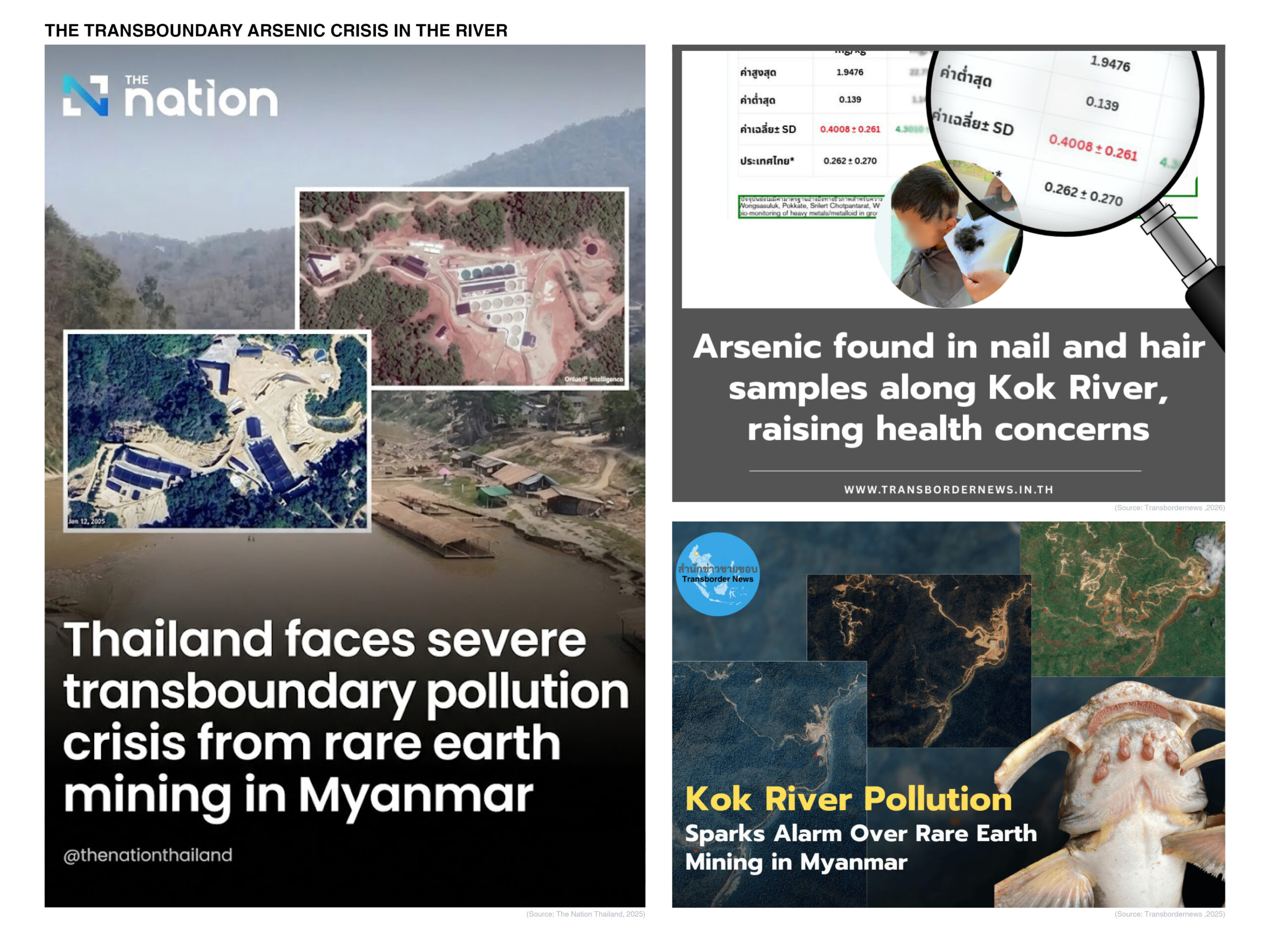
The transboundary Kok River, a vital lifeline for communities in northern Thailand, is facing a severe ecological and public health crisis. Originating in Myanmar’s Shan State, the river is currently being poisoned by a massive post-coup surge in unregulated gold and rare earth mining. Operating beyond the reach of environmental regulations, these extraction sites utilize aggressive methods that release toxic chemicals and high concentrations of naturally occurring arsenic directly into the river’s headwaters.
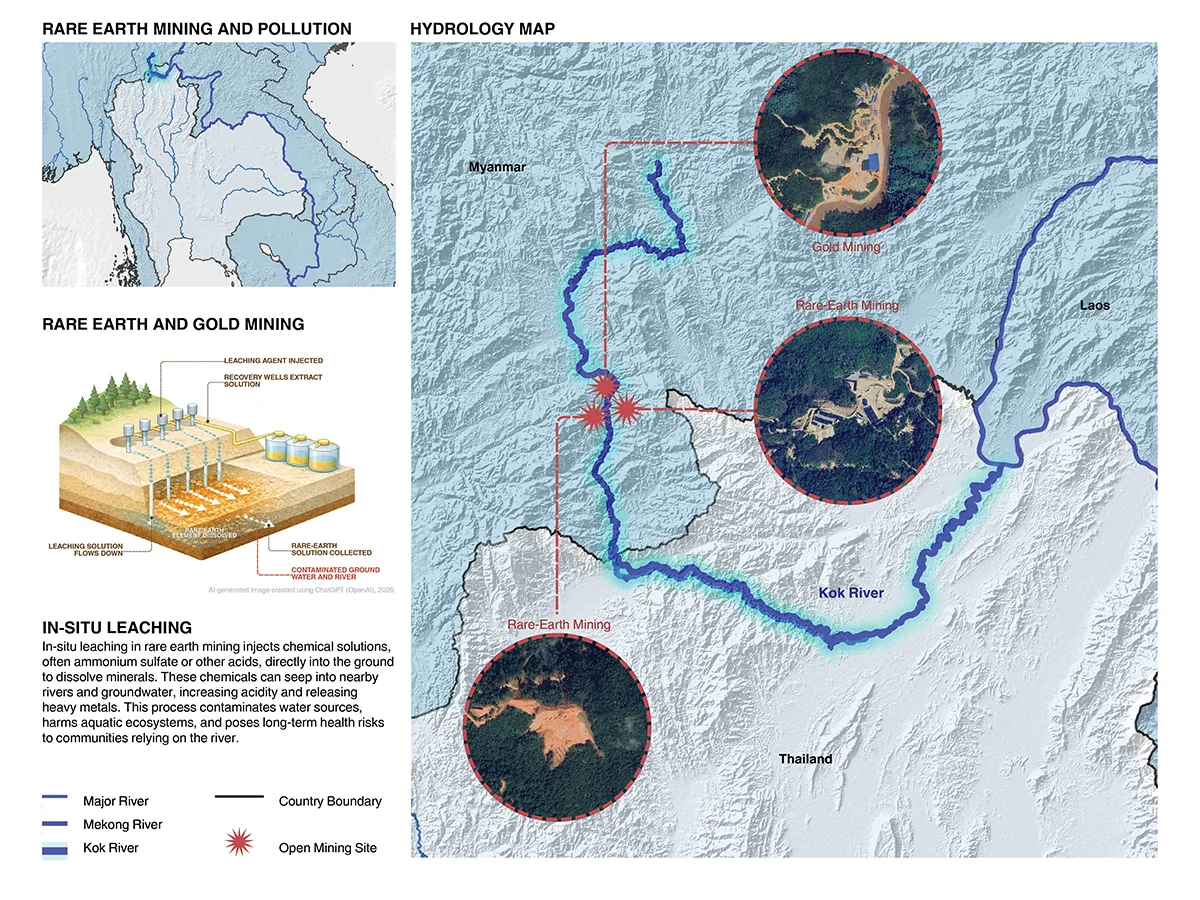
As this contaminated water flows downstream into Thailand’s Chiang Mai and Chiang Rai provinces, the consequences are devastating. Recent water testing has revealed arsenic concentrations reaching 0.026 mg/L, which is more than double the World Health Organization’s safe limit. For the local Thai and ethnic minority communities, the impacts are profound. Livelihoods tied to fishing, agriculture, and tourism are collapsing, and clinical studies have now detected the physical accumulation of arsenic in the hair and fingernails of riverside residents. Because the source of this pollution lies across a sovereign border, traditional regulatory interventions are paralyzed. This urgent geopolitical and environmental challenge necessitates an innovative approach, making the implementation of localized, nature-based solutions critical to mitigating the heavy metal contamination and protecting vulnerable downstream communities.
Proposed Intervention: The Circular Phytoremediation Buffer
To address this contamination, we propose a scalable, nature-based solution (NbS) that leverages existing geographical features, government-backed infrastructure, and community involvement to create a sustainable remediation cycle.
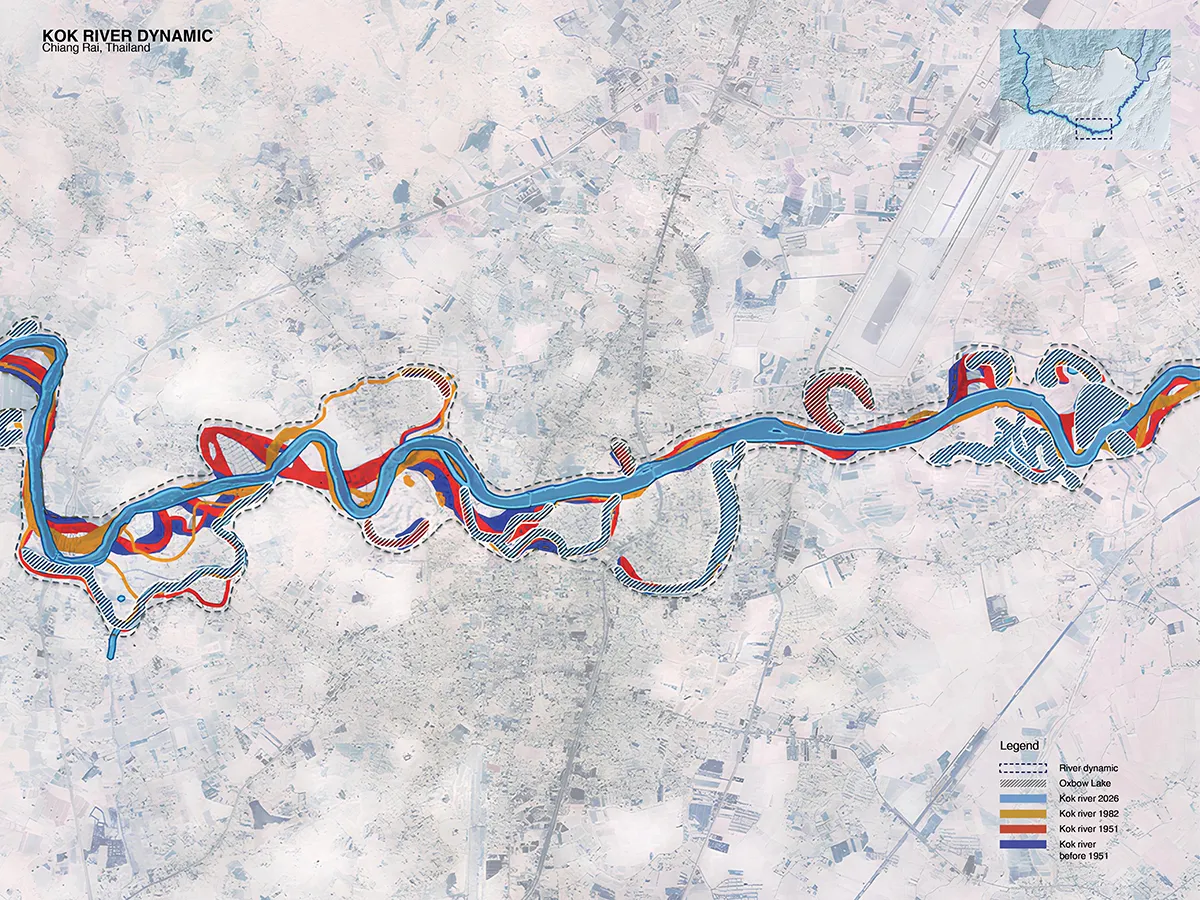
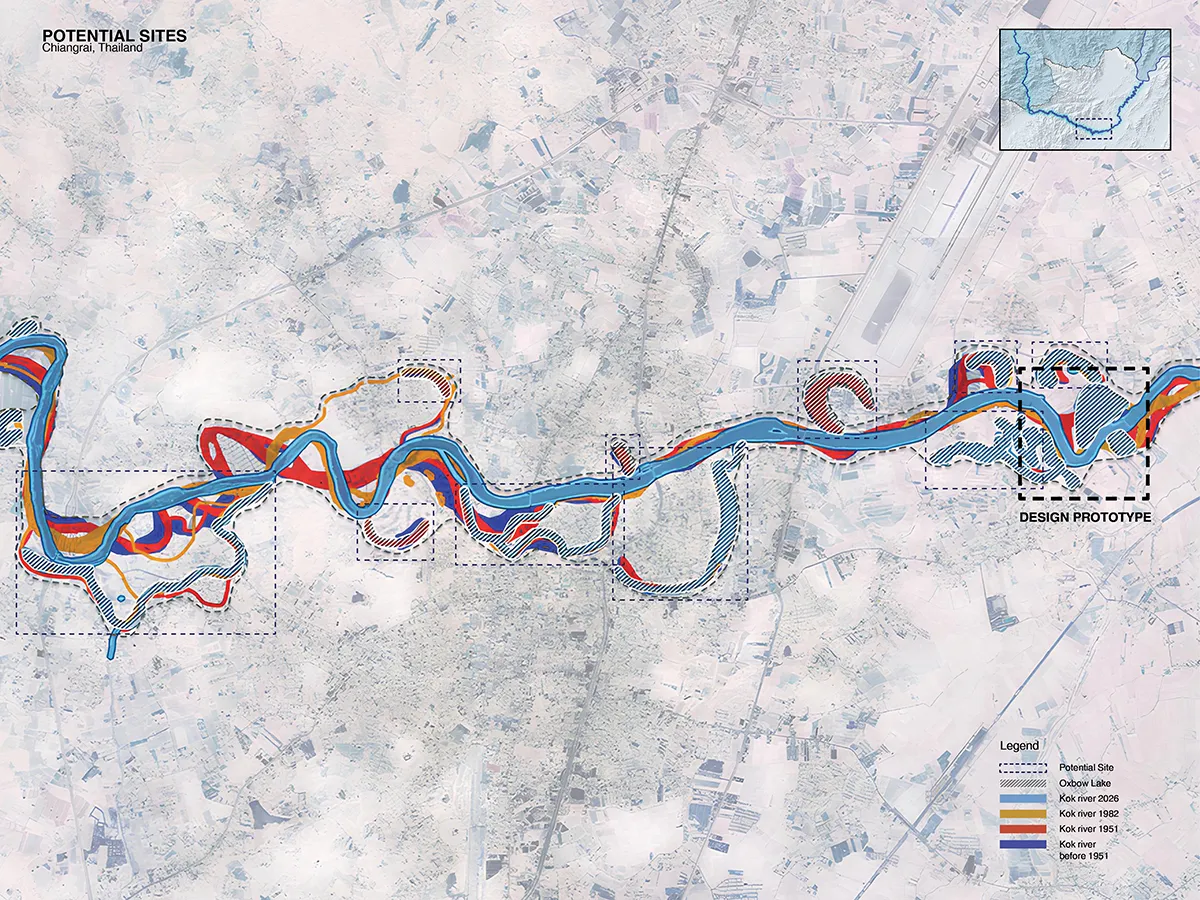
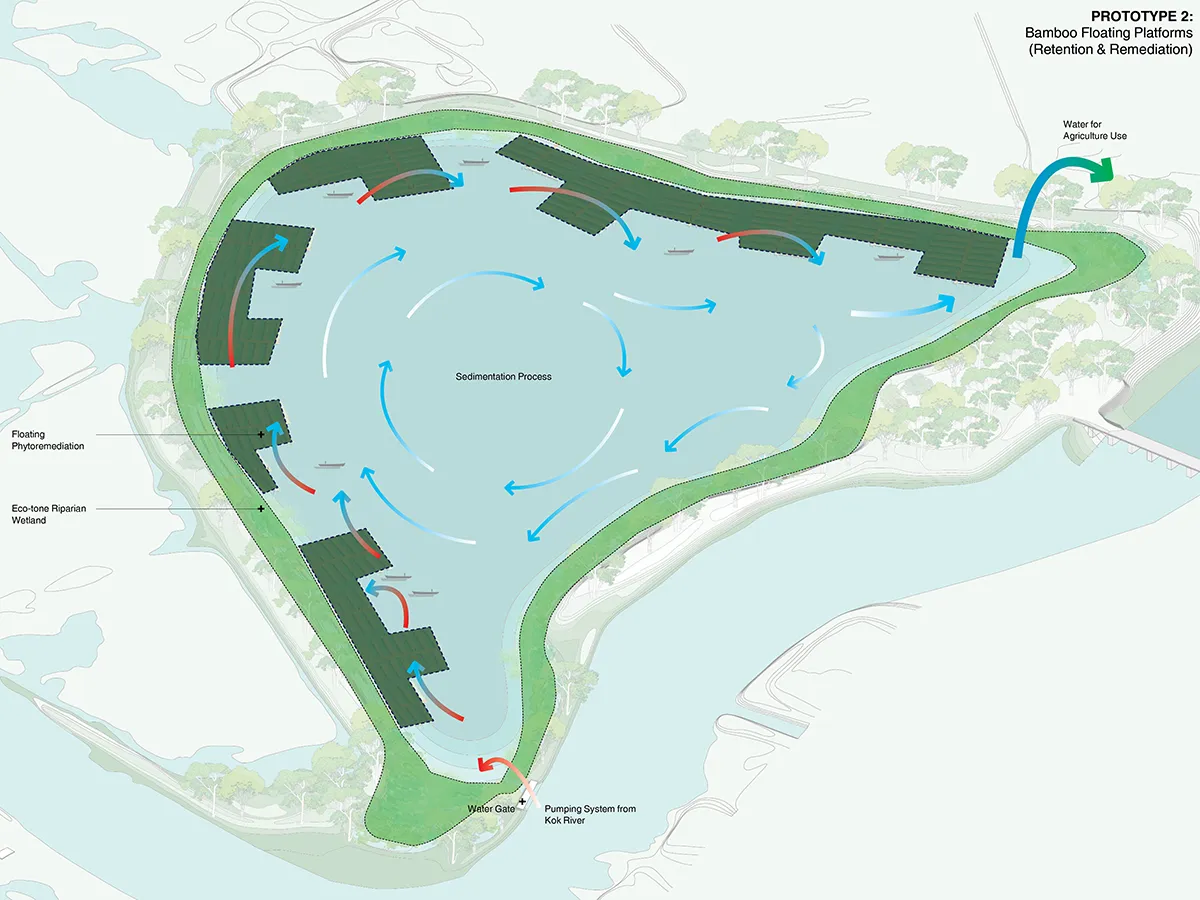
Utilizing Natural Buffers: Instead of attempting to filter the entire, fast-flowing main channel of the Kok River, our approach utilizes the river’s natural oxbow lakes and adjacent secondary water channels. By gently diverting a portion of the contaminated river water into these calmer, semi-isolated water bodies, we create controlled retention zones. These zones slow the water flow, allowing heavy suspended sediments to settle and providing the necessary retention time for biological filtration.
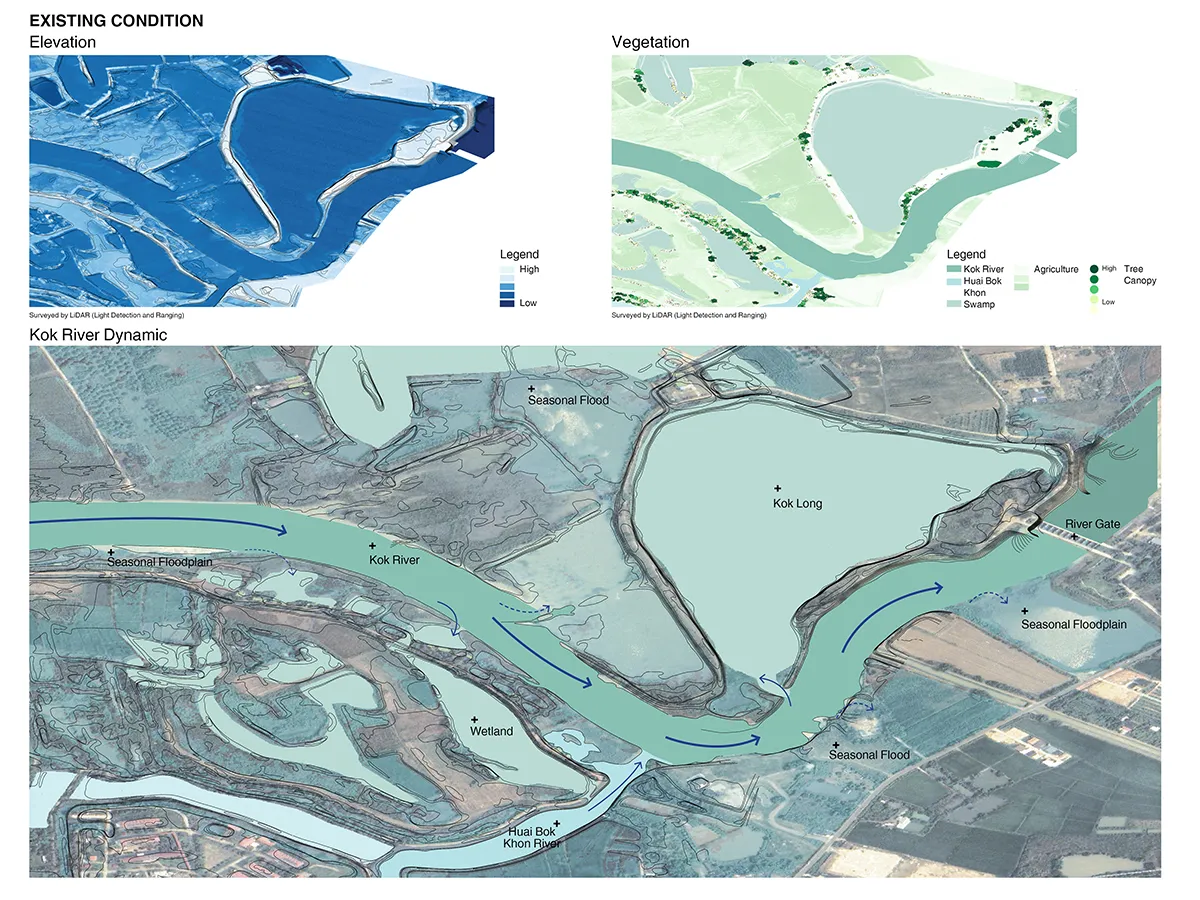
Constructed and Floating Wetlands: Within these buffer zones, we will implement a dual-filtration system. The shallow edges will be engineered into constructed wetlands, planted with hyperaccumulator species known for absorbing heavy metals. For the deeper sections, we will deploy floating treatment wetlands (FTWs) whose root systems hang directly into the water column to actively absorb dissolved arsenic as the water circulates.
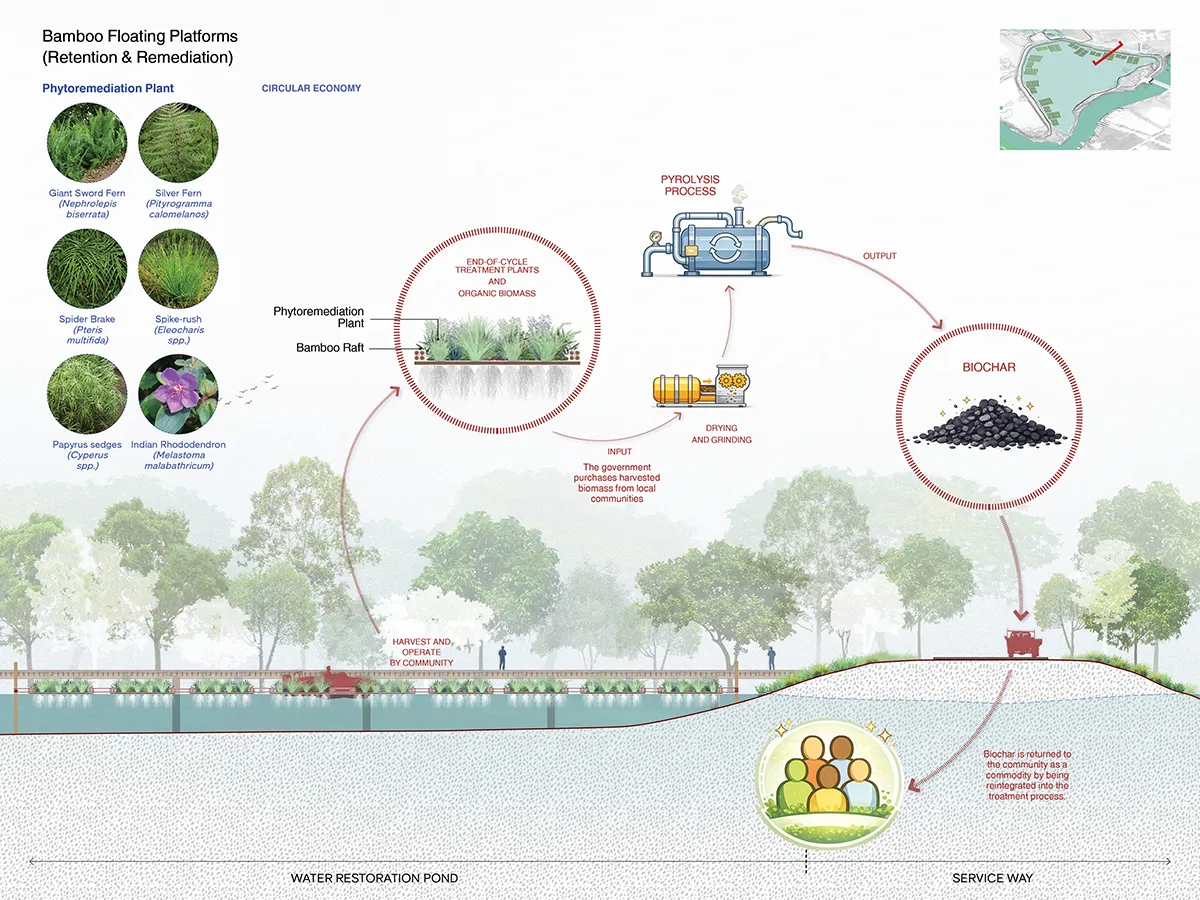
The Circular Economy (Government-Backed Biochar): The true sustainability of this project lies in a circular economic model. Hyperaccumulator plants eventually reach their maximum capacity. Local community members will be trained and employed to safely harvest these plants, and the state or an incorporated facility will purchase the dried biomass. To prevent toxic exposure, a centralized, government-supported facility will manage the hazardous pyrolysis process, safely converting the arsenic-laden organic biomass into biochar while capturing byproducts like biogas and bio-oil. This highly porous biochar is then recycled directly back into the remediation system to act as a secondary physical and chemical filter.
Landscape Design Intervention: Multifunctional Remediation Prototypes:
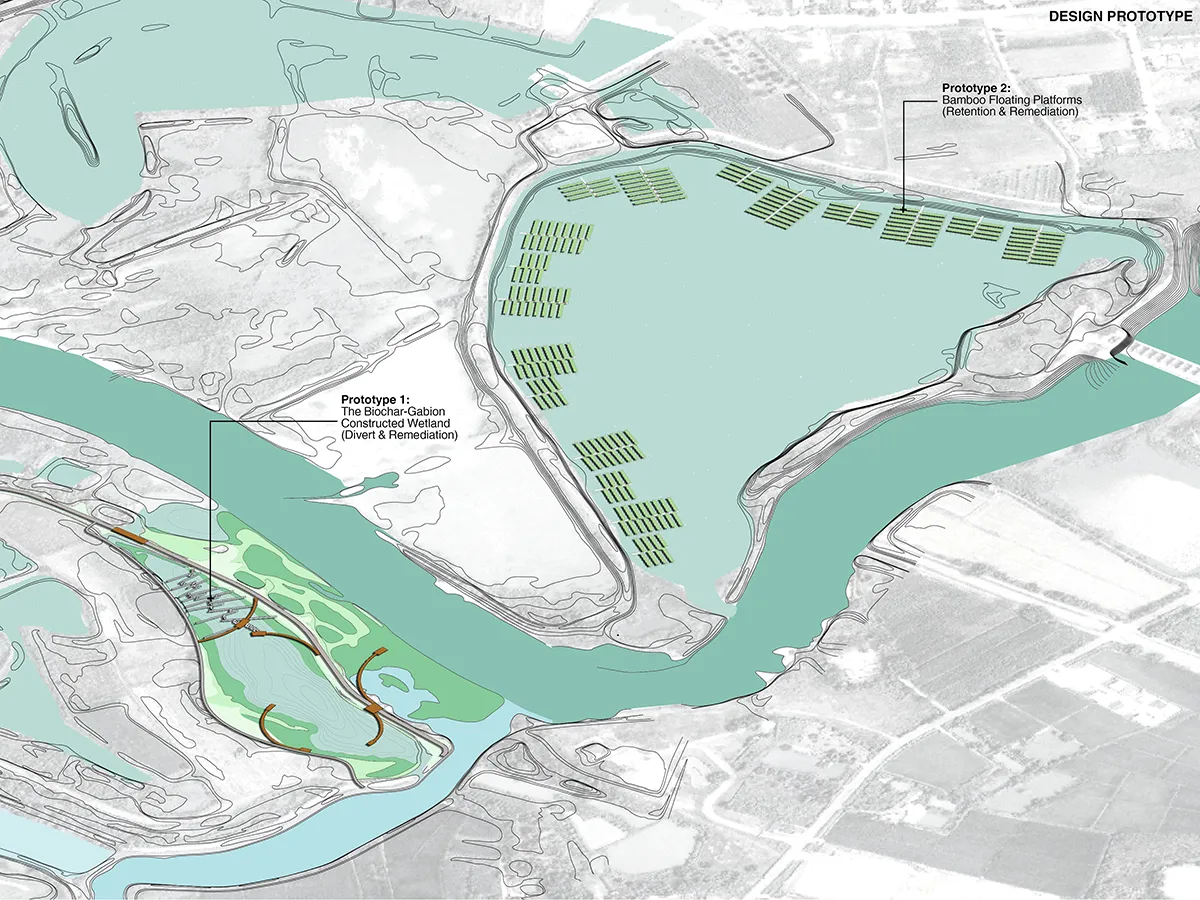
To translate this into physical reality, we have identified specific prototype sites along the Kok River’s natural oxbow lakes and secondary channels to implement two distinct landscape interventions.
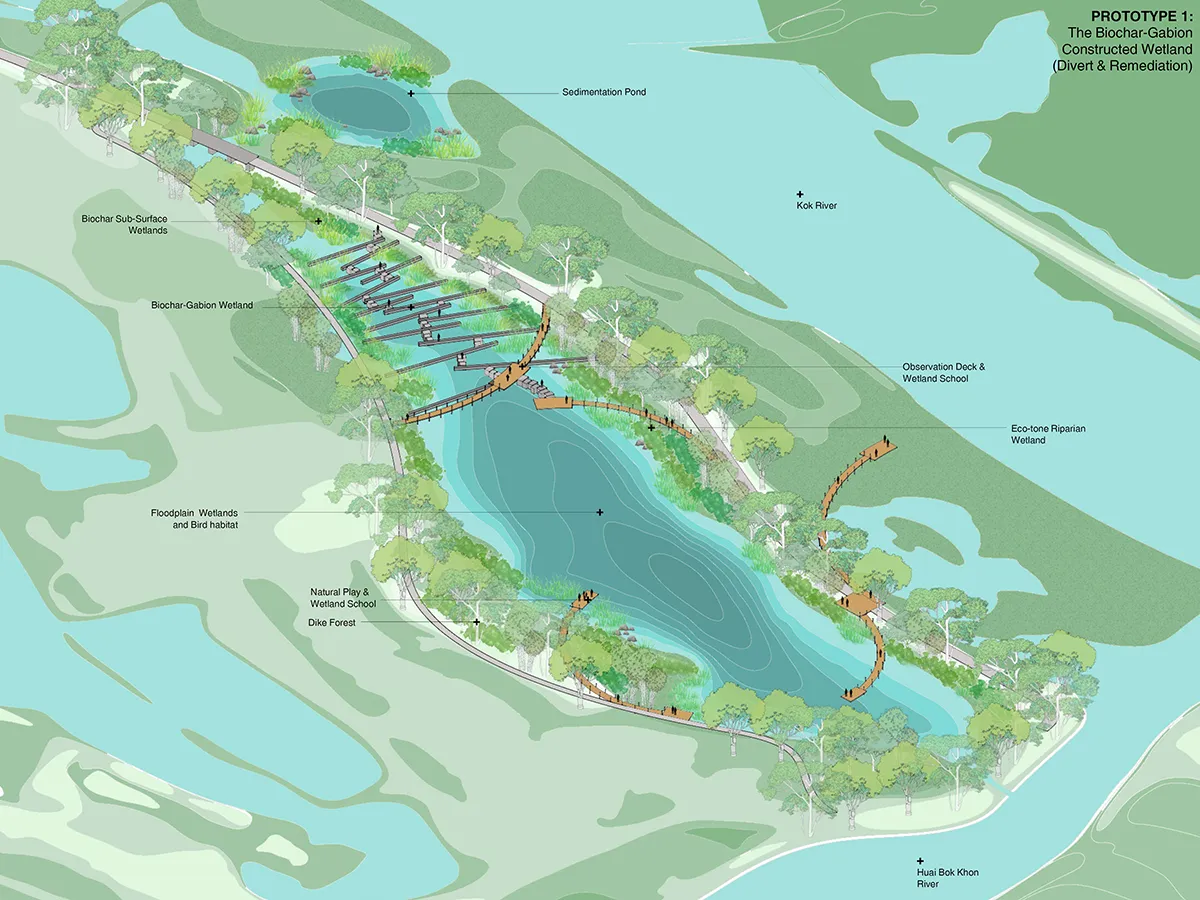
Prototype 1: The Biochar-Gabion Constructed Wetland (Divert & Remediation):
For the diverted water channels, the design will utilize gabion baskets filled with locally recycled biochar. Arranged in a strategic zigzagging pattern, these gabions will slow the water velocity, maximize surface-area contact with the purifying biochar, and create a stable base for our phytoremediation plants. We will plant non-invasive hyperaccumulators, including the Giant Sword Fern (Nephrolepis biserrata), Silver Fern (Pityrogramma calomelanos), Spider Brake (Pteris multifida), Indian Rhododendron (Melastoma malabathricum), Spike-rush (Eleocharis spp.), and Papyrus sedges (Cyperus spp.).
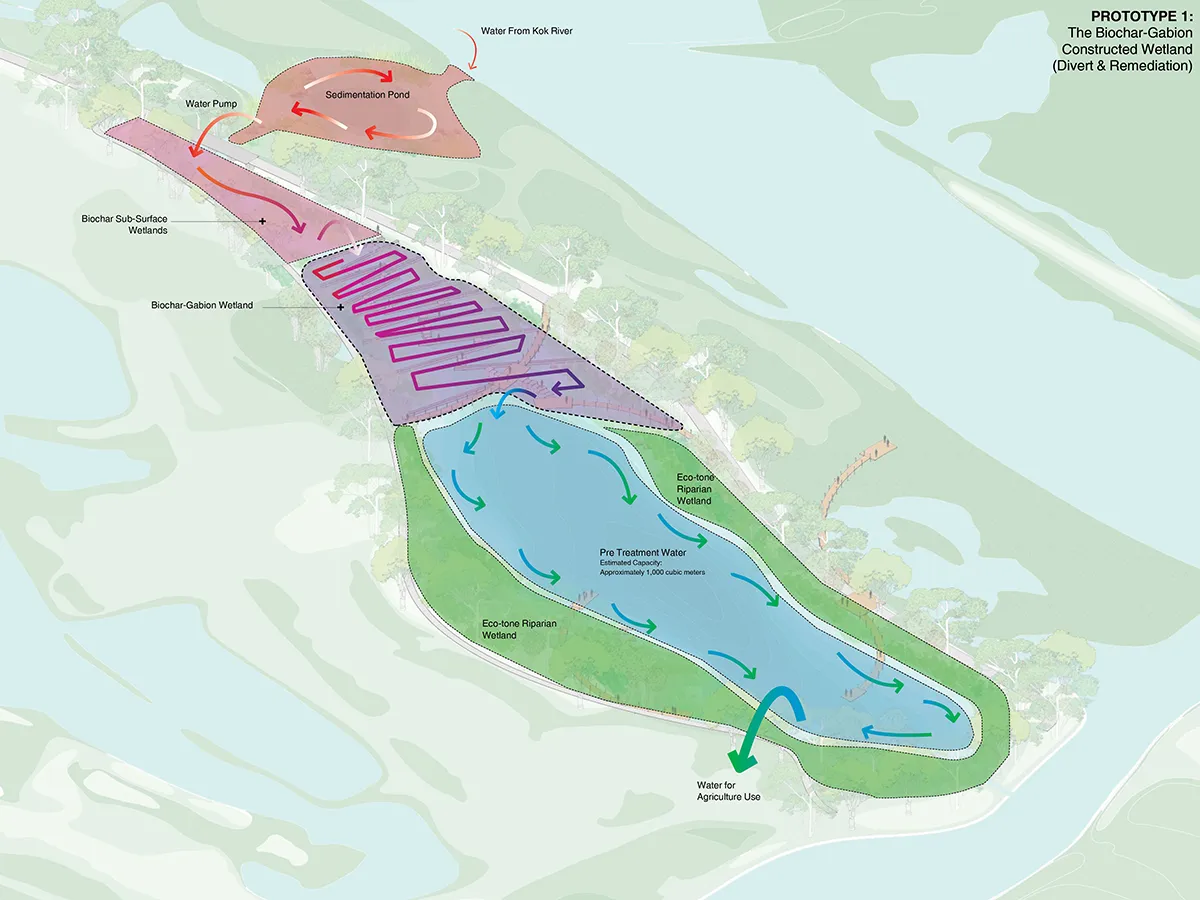
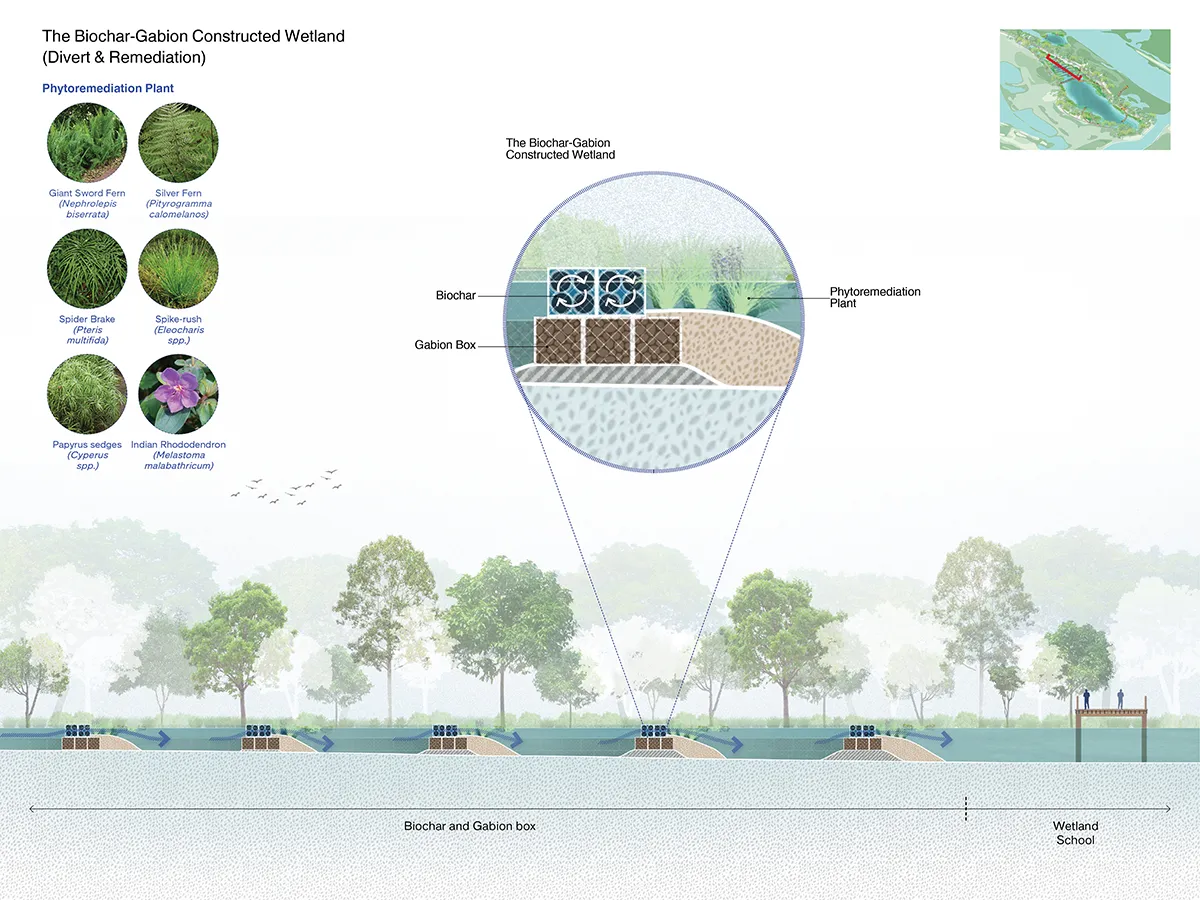
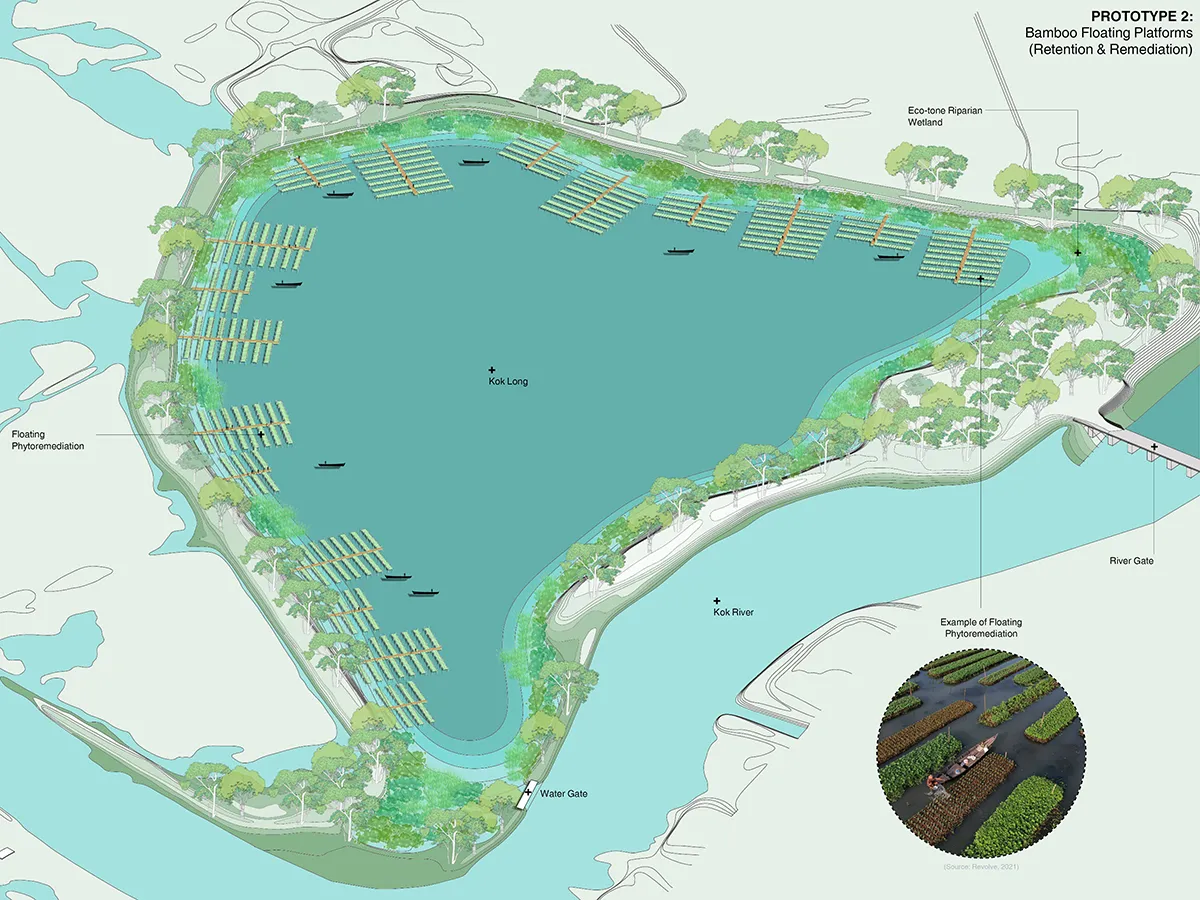
Prototype 2: Bamboo Floating Platforms (Retention & Remediation):
For the deeper retention zones, we will deploy floating phytoremediation platforms constructed from locally sourced bamboo. Inside the bamboo framing, dried water hyacinth will be packed to serve as a buoyant, organic planting medium, allowing roots to reach directly into the water column.
Beyond Remediation to Community Resilience:
By successfully drawing toxic water into these retention zones and filtering it, the resulting basins will provide a much-needed source of safer water for agricultural irrigation, mitigating the severe economic impact of contaminated produce. Furthermore, the downstream, highly treated areas will host a “Wetland School”—an open-air educational space serving as a living laboratory for students, researchers, and locals to learn about water ecology and environmental stewardship.
From Vision to Implementation
These two landscape prototypes are now officially planned for implementation. Recognizing that the success of any Nature-based Solution (NbS) depends on the people living alongside it, we have already completed a participatory design process with the affected communities. Their direct input has actively shaped the landscape, expanding the project to include new, multifunctional programs that serve their daily needs beyond just ecological remediation.
As we move forward, the project’s long-term viability will rely on rigorous monitoring to scientifically validate water quality improvements and plant bio-accumulation. Ultimately, we hope this community-integrated pilot proves successful, fostering seamless collaboration with local authorities to restore the Kok River’s ecology and protect downstream livelihoods.
A Visionary Plan for Phytoremediation in the Kok River, Thailand
The two prototype projects are currently under development and are intended for implementation under the Urban Resilience Thailand Initiative, in which Landscape Collaboration participates as the landscape architect.
Urban Resilience Thailand is implemented through a multi-institutional collaboration comprising:
- IUCN – International Union for Conservation of Nature
- RECOFTC Thailand – The Center for People and Forests
- TEI – Thailand Environment Institute
- ADPC – Asian Disaster Preparedness Center
- UddC – Urban Design and Development Center
In partnership with: Department of Water Resources (DWR), Thailand
Funded by: International Climate Initiative (IKI) – a funding programme of the Government of Germany
Additional Research Collaboration: Dr. Jianbin Wang, Water Sensitive Cities Australia (WSCA), based at the Monash Sustainable Development Institute (MSDI), Monash University.
Article by Touchapon Suntrajarn and co-authors Supanut Udomsilaparsup, and Siripatcha Chottikkrai of Landscape Collaboration
References:
Rare Earth Mining
Rare Earth Mining Context (Warwick/KRC Primer)
Academic and Policy Reports: * Ma, Guoxia, et al. (2017). Evaluation of Ecological and Environmental Cost of Rare Earth Resource Exploitation in China from 2001 to 2013.
Local Data and Flora Sources
Rainfall data sourced from the Northern Meteorological Center, Mueang District, Chiang Mai Province (2017) applied to the Ang Khang meteorological station data for 2023.
Plant species references derived from NParks Flora & Fauna identifying local non-invasive hyperaccumulators.