
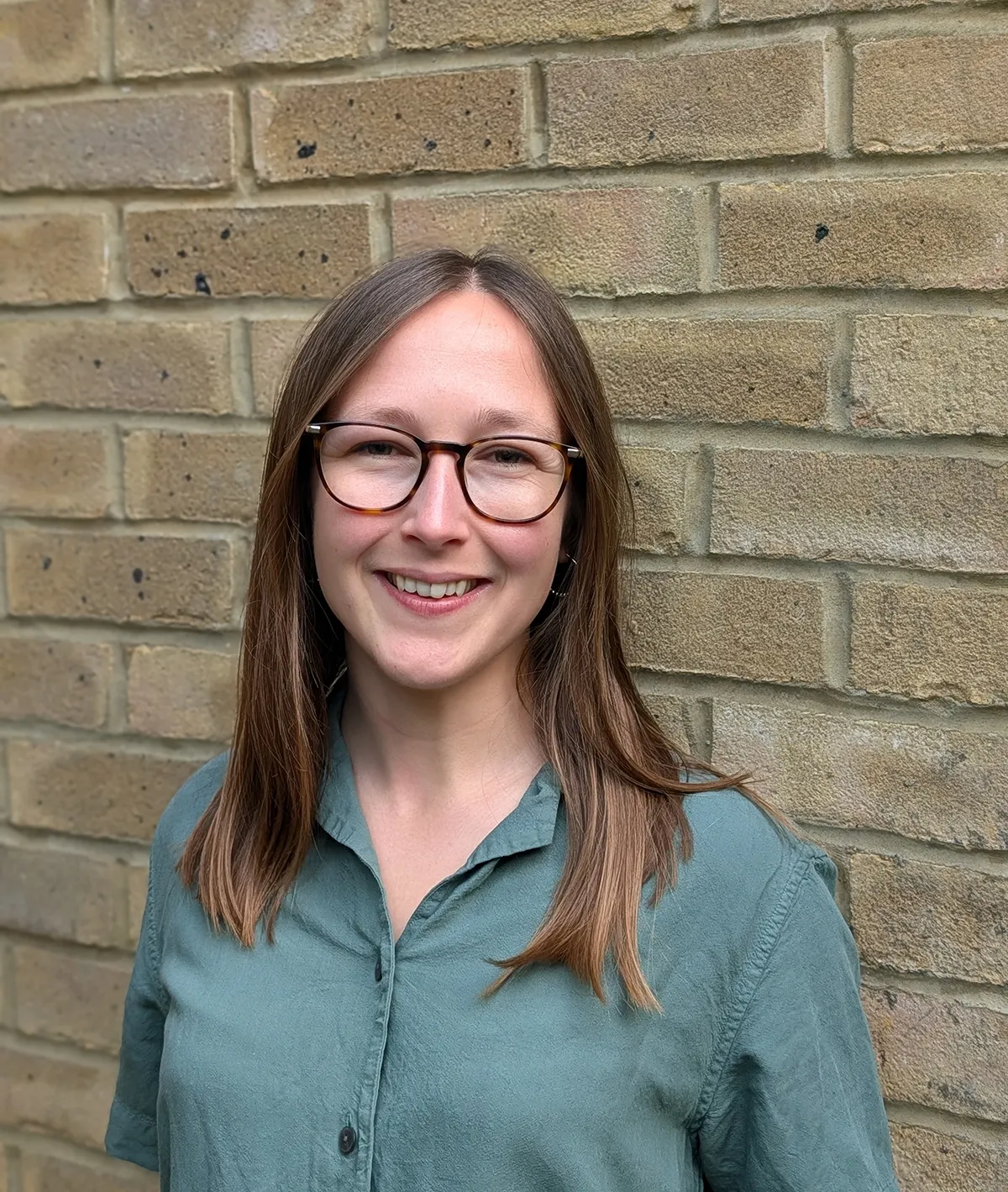
Angela Hird is a senior Landscape Architect who’s been working at Arup for over 8 years and focuses on public realm schemes, often in multidisciplinary teams of varying sizes, as part of wider urban regeneration initiatives, mainly within/ surrounding London. Project types include high-end schemes associated with new developments, high street schemes for local councils, active travel schemes, new urban plazas and social housing. Angela is particularly interested in complex urban environments and how landscape interventions can improve people’s everyday experience, encourage them to lead healthier lives and improve climate resiliency.
WLA had the opportunity to discuss Angela’s views on urban environments and active travel schemes, her experiences of being seconded to a city council, and lessons learned during her career at Arup.
WLA | What is a key intervention in urban environments that can improve people’s everyday lives?
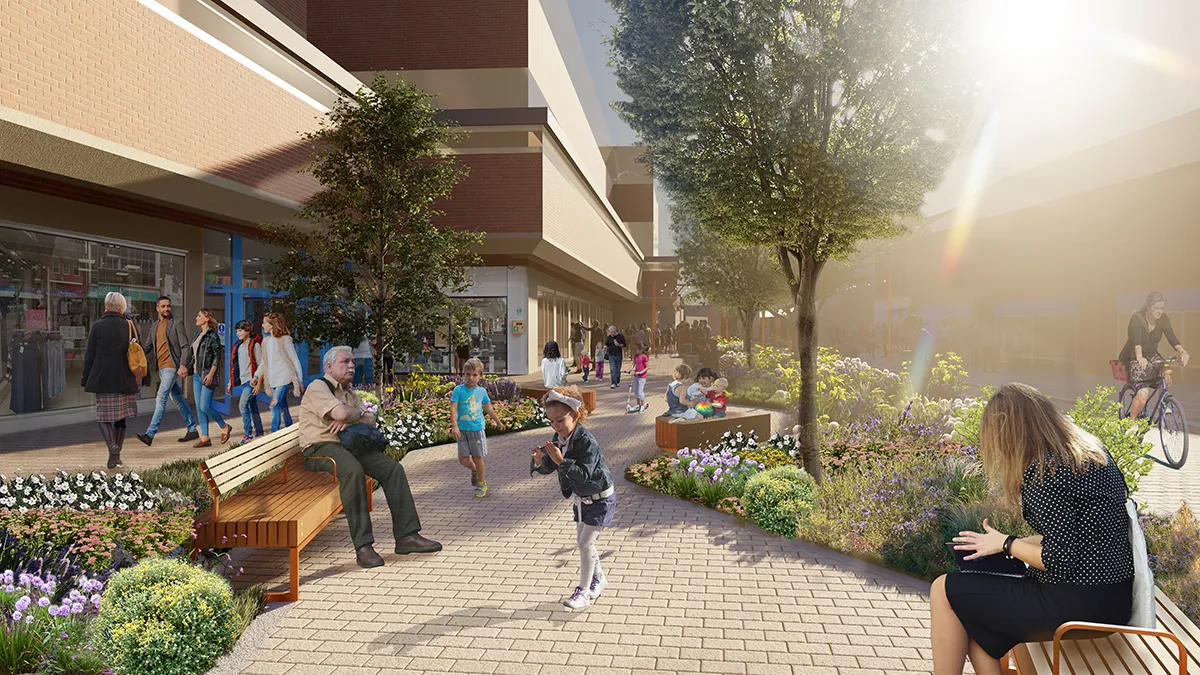
For me, an essential intervention is providing access to green spaces that people can experience as part of their daily routines. I believe the real value lies not only in large parks but in a series of differently sized spaces that serve different social and ecological functions depending on their context, embedded throughout the fabric of our streets and city centres. Many people who live in dense urban environments are not within easy access to large natural spaces; therefore, as Landscape Architects, we have a responsibility to advocate for publicly accessible green space at the most granular level to support liveable cities for all.
Interventions might include ecologically rich planting pockets that also manage stormwater runoff within a high street, a grove of street trees above seating outside a new development, or a parklet replacing a handful of parking spaces. Such spaces provide essential moments of connection with nature and community amid the pace of modern life, encouraging people to slow down and observe seasonal change, socialise informally, or simply look up into a tree canopy. These moments provide essential contributions to our mental and physical health, and have wider benefits such as reducing social isolation, encouraging walking and cycling, and fostering community identity and participation.
When distributed throughout neighbourhoods, these smaller spaces collectively have a far greater impact on people’s well-being and the environment.
WLA | Designing active travel schemes requires balancing the needs of various travel modes within confined spaces. How do you create designs that make it inviting for people to participate in active travel?
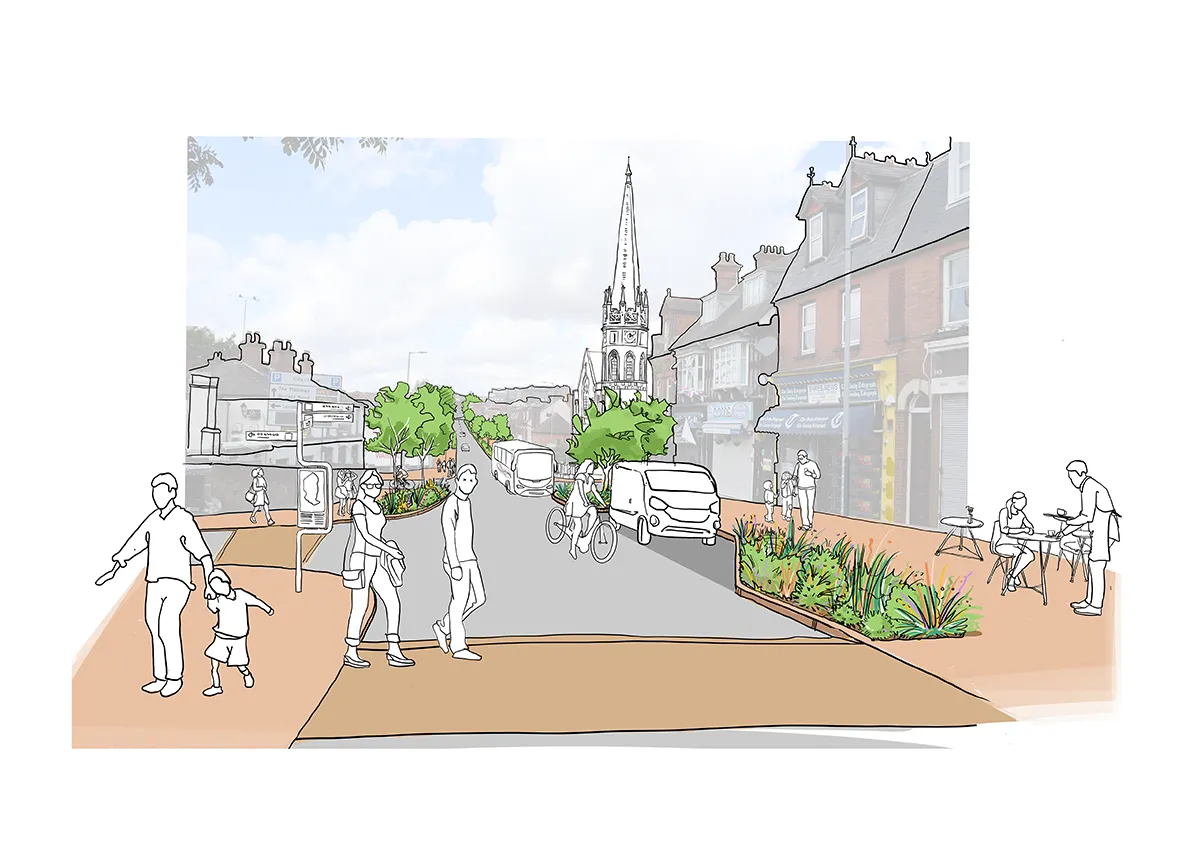
Active travel projects need to start with a holistic vision for people, place and the environment. Starting with bigger picture ambitions allows multifunctional benefits to be maximised, such as providing inclusive spaces for the whole community, supporting local businesses, bringing nature into urban environments, improving air quality, reducing flood risk, improving people’s health and wellbeing, and enabling children to get to school safely – for which high quality walking and cycling infrastructure is an essential component. Active travel schemes often require challenging conversations with stakeholders about reducing space for vehicles. When stakeholders see the wider benefits that these schemes can provide, it enables conversations to be much more productive at the street scale, such as where car parking spaces need to be removed to enable a cycle lane or wider pavements alongside linear planting.
I focus on balancing functionality with placemaking. Streets must feel welcoming, attractive, and comfortable to encourage use by a wide range of groups. As part of a comprehensive site analysis, I look to understand the character and unique qualities of the whole place. Site visits and conversations with local people provide insights on a places vernacular, cultural heritage, planting character and materials. This informs design decisions, to ensure proposals seamlessly integrate and enrich its locality.
Designing for more vulnerable and less confident users is critical. Legible routes, low traffic speeds, and clear priority make a significant difference. My own experience as a hesitant beginner cyclist as a student near Malmö, Sweden has shaped my understanding of what good infrastructure looks like and how it really impacts people’s travel choices. In London, research shows that improved infrastructure is a significant contributor to the increases in women cyclists over the past 5 years. I am passionate about enabling everyone to integrate exercise into their daily routines, and the health benefits and freedom that it brings.
WLA | You have worked on secondment with a local council. How does working in government differ from working in a private practice?
Working on secondment with Hertfordshire County Council gave me the opportunity to fully immerse myself in the local context of my projects. Meaningful understanding of a place, its character, community, and assets, requires both time and curiosity. Working alongside our client daily allowed me to fully understand their challenges and priorities. This depth of insight enabled me to develop well-informed and contextually responsive designs. Each project contributed to an evolving body of knowledge, and this learning could then be applied to subsequent work, a practice that is often less common in private practice.
Working within local government also broadened my influence beyond individual sites, allowing me to help shape places on a wider scale. Alongside developing design proposals and strategies, I regularly commented on developers’ proposals, offered alternative designs, and contributed to countywide design guidance. I found it very rewarding to know that everything I was working on was building towards a common goal of improving a specific locality.
WLA | What are the key lessons from your over 8 years of experience at Arup?
Being curious about other disciplines is invaluable. It helps you understand how other disciplines think, anticipate potential challenges and tailor how you communicate your ideas more effectively. At Arup, I have direct access to experts from many other built-environment disciplines, fostering close collaboration and informal dialogue. These collaborations have also expanded my technical understanding of key topics, including soils, climate resilience, and stormwater management. Overall, this strengthens the ability to advocate for landscape within complex, multidisciplinary projects and enables more holistic and innovative outcomes.
Attention to detail ultimately determines the success of a scheme. I was initially drawn to strategic-scale work when starting my career at Arup, as I believed it offered the greatest opportunity to positively influence people and the environment. As I became more experienced in later design stages and on-site delivery, I realised how critical detailed design is in realising functional and beautiful spaces. Seeing designs constructed on site is an invaluable learning process that informs all stages of work.
Seeking new experiences is vital for development and career satisfaction. My 18-month secondment to Hertfordshire County Council provided invaluable insight into local authority decision-making. I’m currently undertaking a planting design course alongside my role at Arup, deepening my interest and understanding in climate-resilient planting without the constraints of real projects. These experiences have helped me expand my skill set, shape my career direction, and develop professionally.
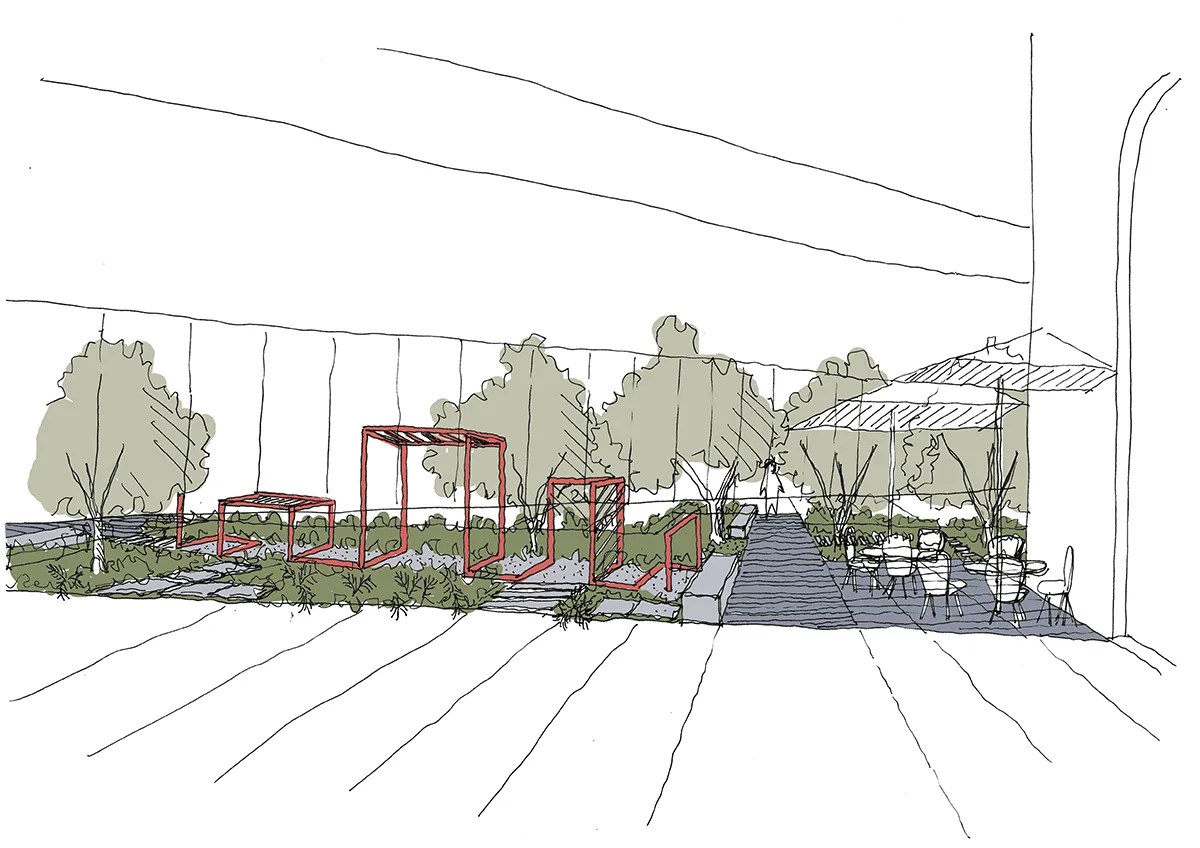
Finally, drawing remains one of the most powerful tools we have. Being the one to sketch ideas helps shape conversations, clarify concepts quickly, and ensure the landscape is fully integrated into the design process.
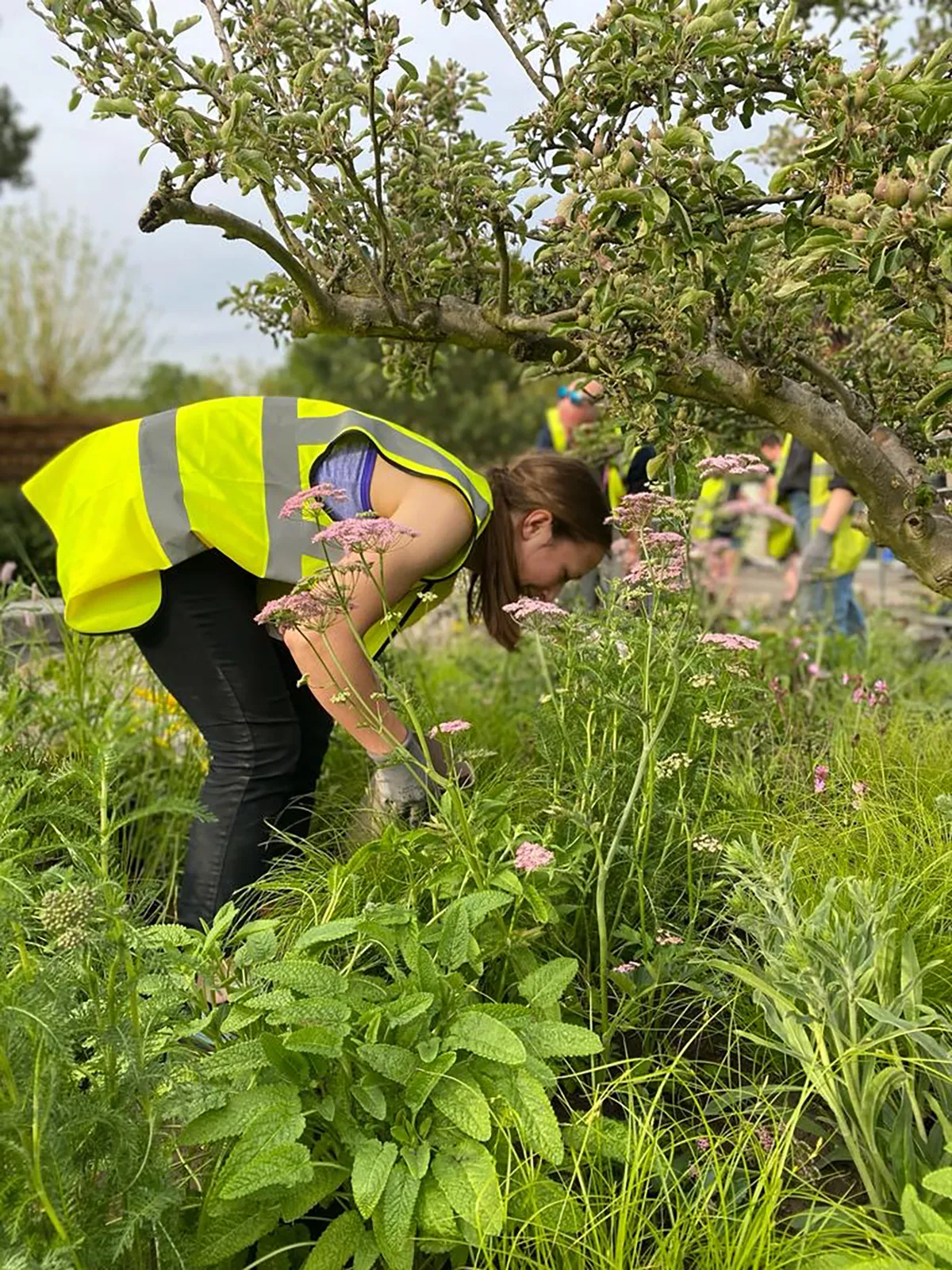
Thank you to Angela for providing some insights into working at Arup and active travel schemes.
Images: Arup