
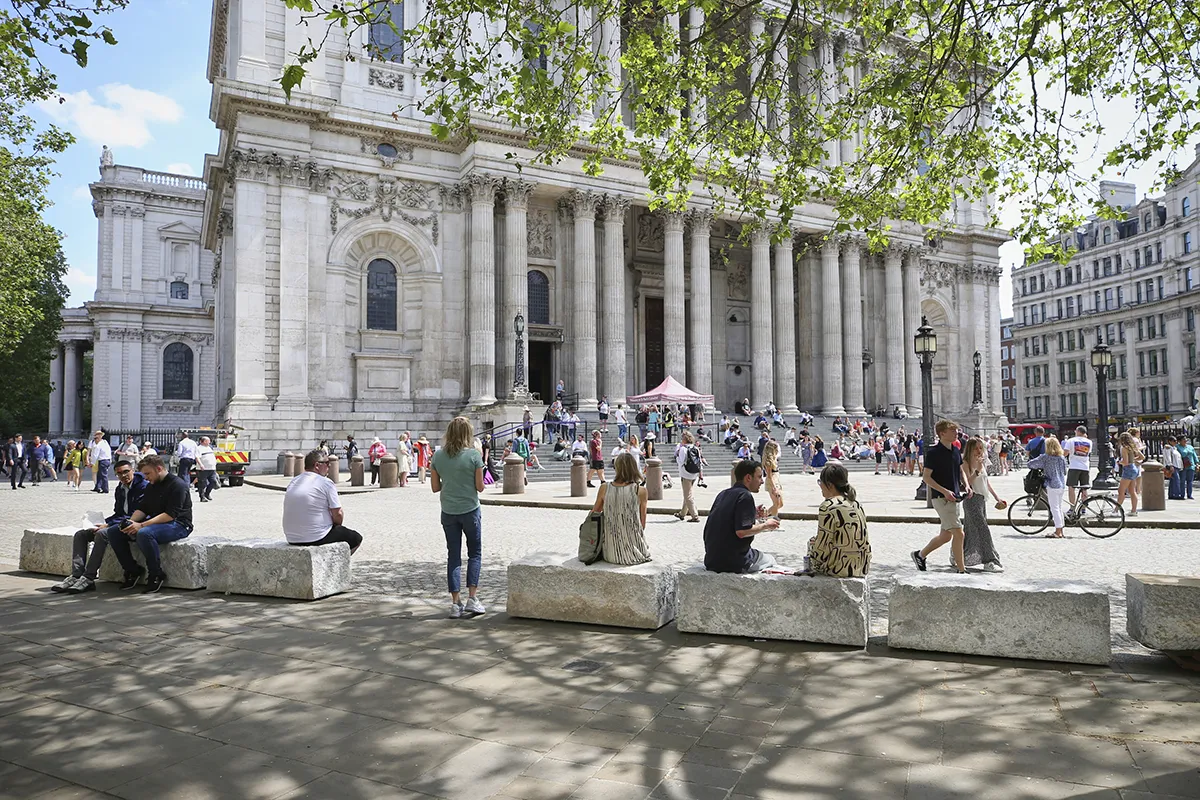
The City of London Corporation recently unveiled a new public seating installation outside St Paul’s Cathedral, transforming historic granite blocks from the River Thames into a lasting feature for residents, workers and visitors.
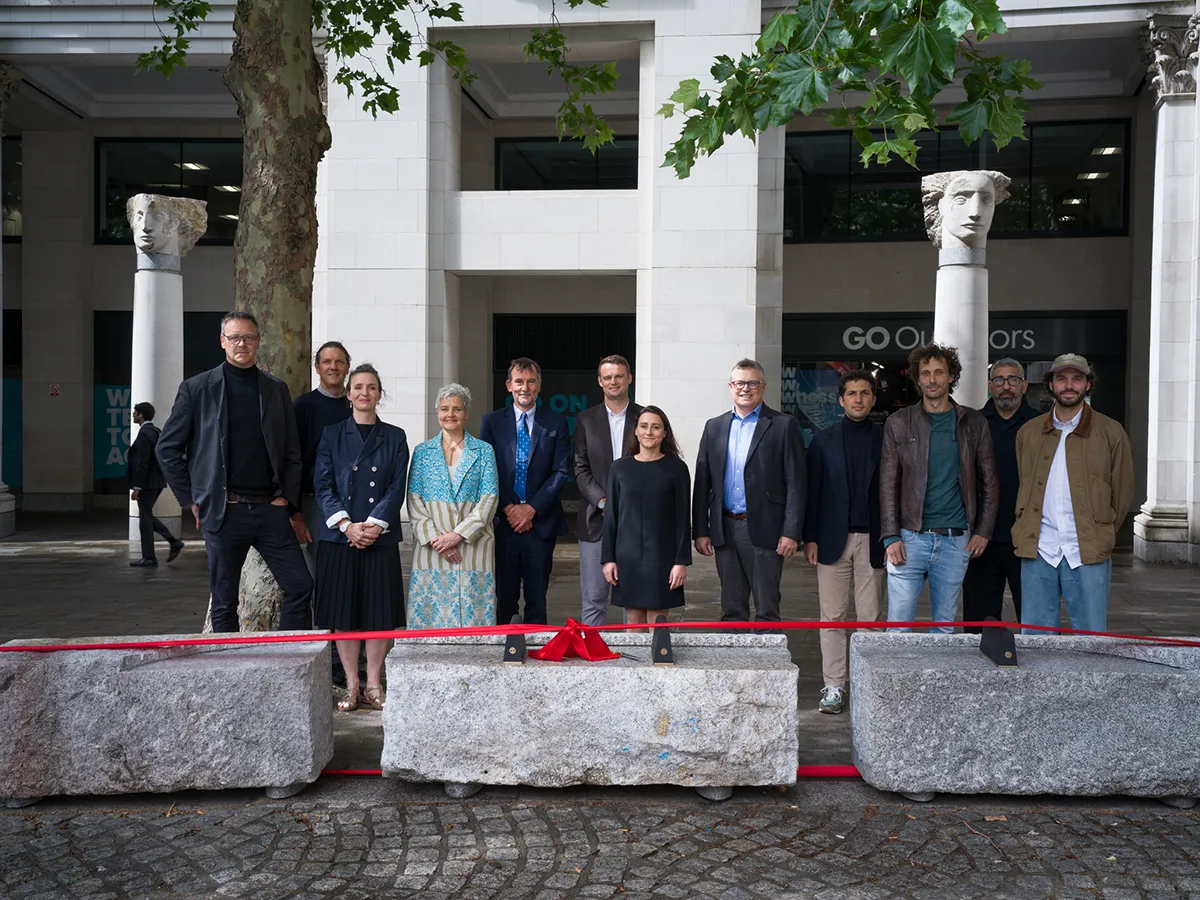
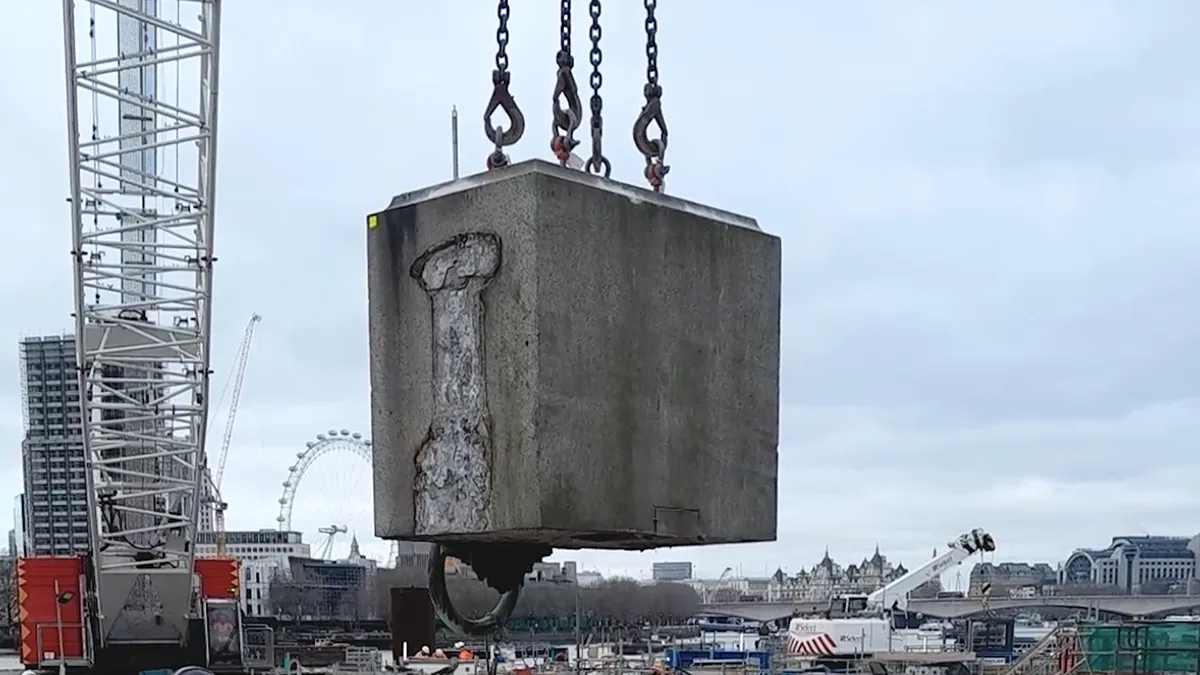
The ‘From the Thames to Eternity’ project repurposes 21 granite stones originally used in the construction of the Victorian river wall at Victoria Embankment. Having supported London’s infrastructure for more than 150 years, the stones have been adapted to create sustainable seating in one of the capital’s most iconic locations.
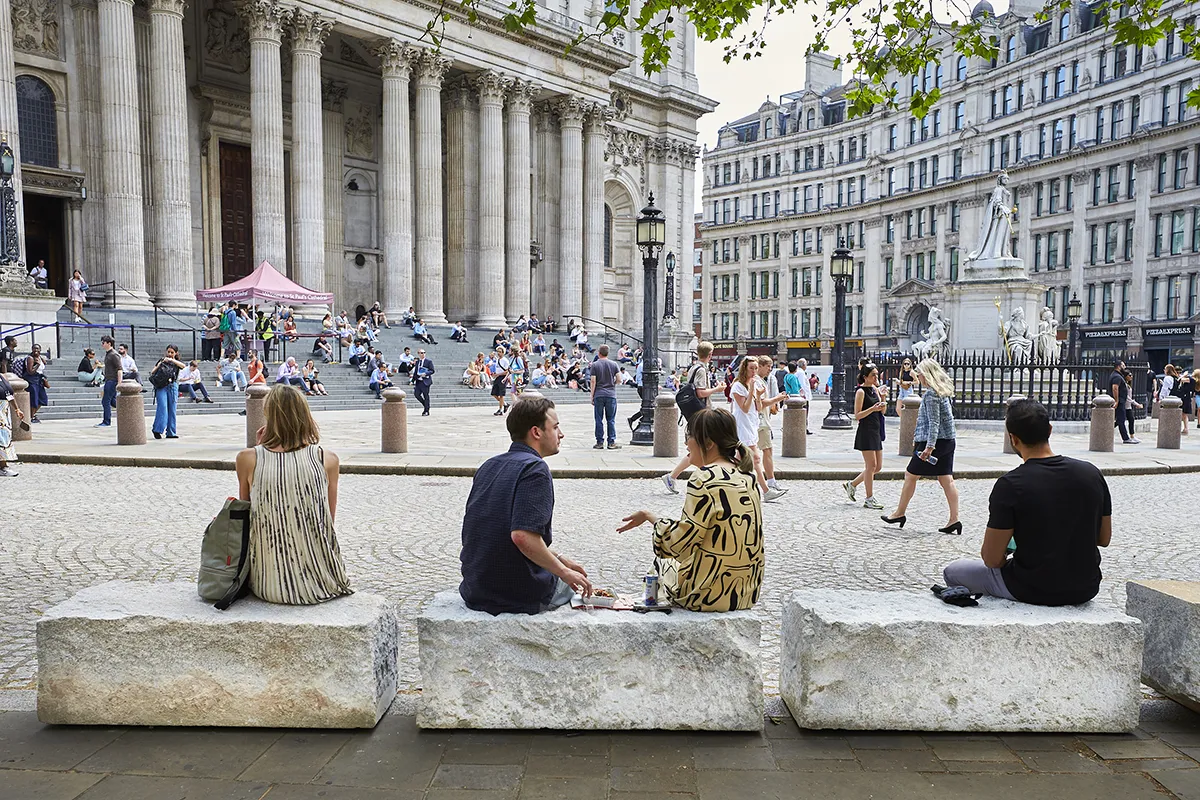
The project was delivered in collaboration with the Cheapside Business Alliance and launched during this year’s London Festival of Architecture, featuring a series of public events that highlight the unique legacy of the granite stones.
Installed in 1870 as part of Sir Joseph Bazalgette’s embankment works following the ‘Great Stink’ of 1858, they formed part of the infrastructure that transformed public health in London.
More recently, sections of the river wall were dismantled during construction of the Thames Tideway Tunnel, with hundreds of stones salvaged and a number transferred to the City of London Corporation, to support reuse in new public realm projects.
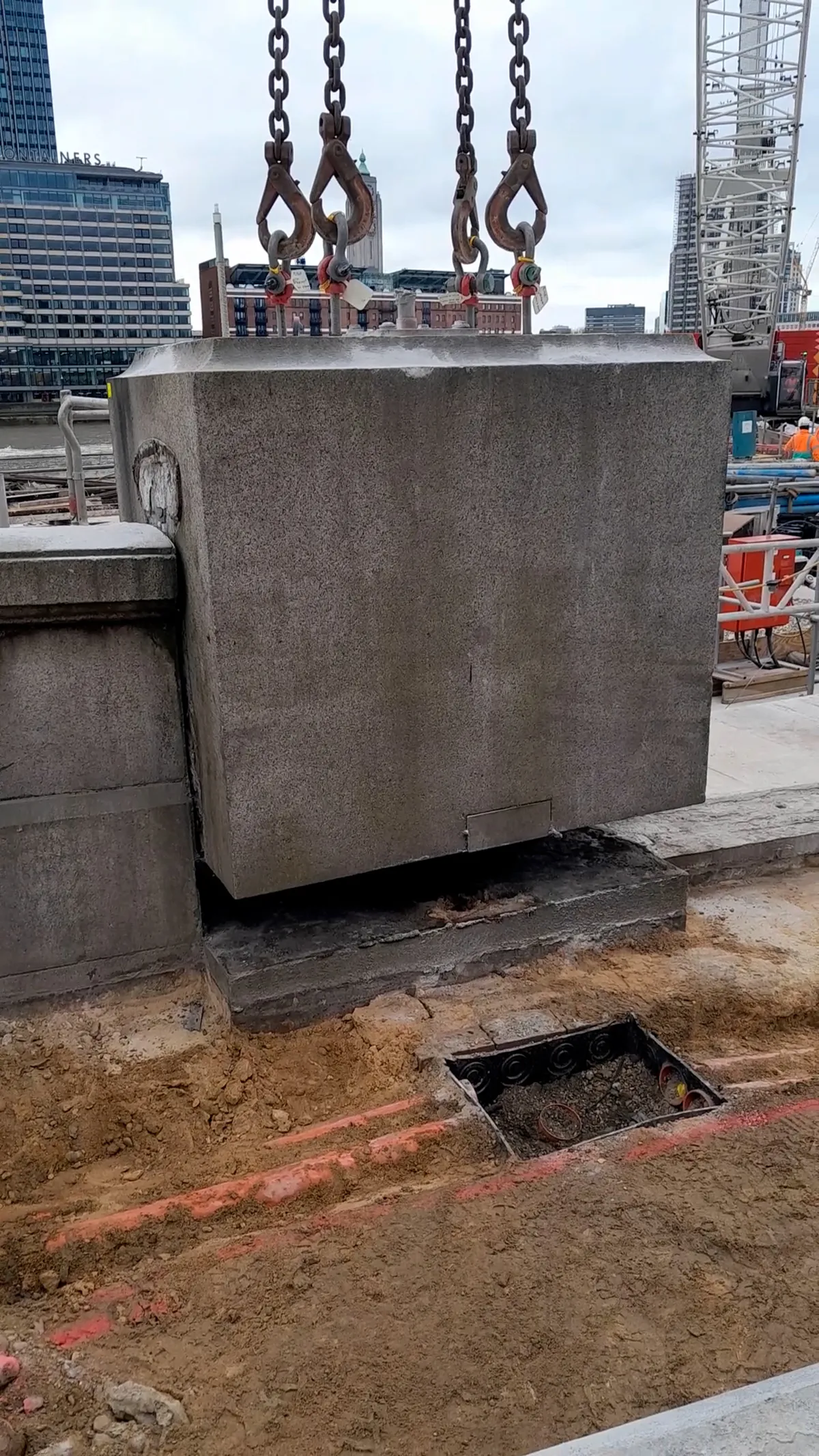
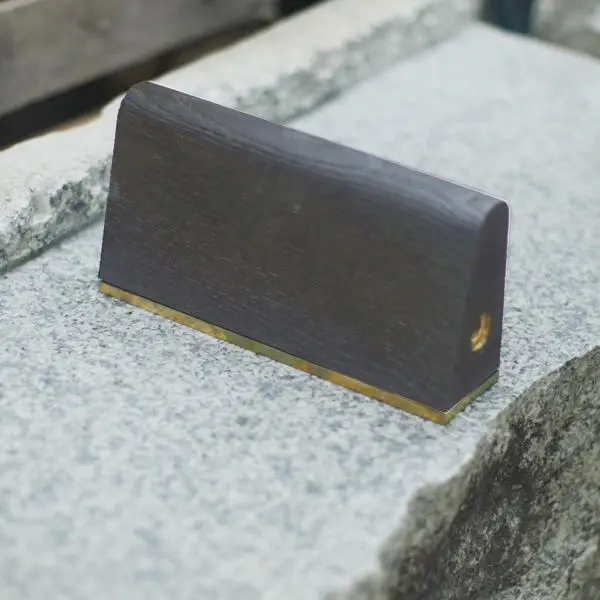
Every element of the project has been carefully reused. Offcuts from the granite were transformed into bench supports and an information plinth, while armrests were crafted from timber reclaimed from fallen London trees. Bronze details were cast using recycled plaques, ensuring nothing went to waste.
The design features three different seating heights and wooden armrests to accommodate individuals with varied mobility needs. Additionally, the seating textures, ranging from the original rugged stone surface to smooth, flat stones, offer sensory options to suit different preferences and sensitivities. There are also designated spots suitable for sitting alone, with a friend, or in larger groups, ensuring accessible and comfortable seating for diverse social interactions.
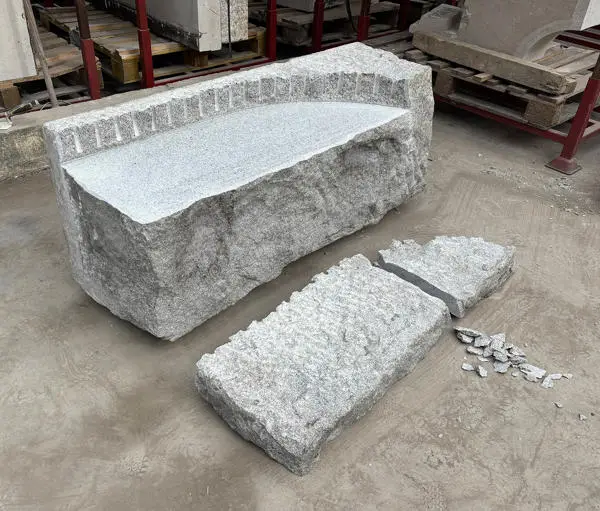
Designed by Matthew Barnett Howland, CSK Architects & Oliver Wilton, the installation at St Paul’s represents the latest chapter in this story, showing how historic materials can continue to serve the City across generations. The design celebrates the stones’ history, retaining traces of their geological origin, their former use in the river wall, and the marks of contemporary craftsmanship.
An accompanying information plinth, designed by OZRUH with Matthew Barnett Howland, takes this approach even further. Made from crushed stone fragments too small for traditional use, it has been reconstructed using cutting-edge 3D printing technology — believed to be the world’s first permanent outdoor structure of its kind. The result demonstrates how even the smallest pieces of material can be given new purpose, pointing to a more sustainable future for construction and design.
Learn more about the project at From the Thames to Eternity
Cover/Feature Image: ©Clive Totman
Post Image Credits: City of London Corporation unless otherwise captioned.
Be the first to comment