In a 250-foot-wide power line corridor off Route 163 in Southeastern Connecticut. Transmission corridors have long been considered symbols of environmental degradation, with their enormous steel skeletons and high-voltage lines slicing through forests, wetlands, and salt marshes; they divide the landscapes that thousands of species need to survive. Yet now they are gaining a new reputation: As critical homes for faltering species of birds, bees, butterflies, plants, and a host of other species.
The public’s embrace of the Citygarden sculpture park is helping push more work on the Gateway Mall, the 16-block strip between the Old Courthouse and Union Station.
Citygarden has been open for a little more than two weeks and remains a hit with visitors drawn to the nearly three-acre park of sculptures, tree-lined paths and fountains.
Tricia Roland-Hamilton, director of the Gateway Mall Project, said Citygarden was prompting skeptics to re-evaluate their opinion of the Gateway Mall as an endeavor whose time would never come.
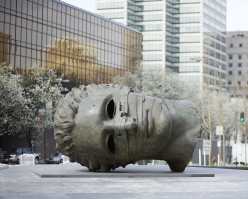
Citygarden is a new park with a twist in St.Louis, unlike other parks it’s not just a green and lush landscape, it incorporates art with the landscape. A landscape that features fountains and pools, a waterfall, places to sit and a café.
A garden for residents and city workers to relax during the day, take a evening stroll or have a weekend coffee with the morning newpapers.
The garden occupies the two blocks between Eighth and Tenth and Chestnut and Market Streets. The two blocks, which are owned by the City and cover 2.9 acres, are part of the Gateway Mall, a 19-square block spine of green space that stretches mostly uninterrupted for a little more than a mile from Broadway to 21st Street. The space is framed to the east by St. Louis’s world-renowned Gateway Arch and its historic Old Courthouse.
The City of St. Louis and Gateway Foundation announced in June, 2007 that they would partner in creating the garden. The City owns the garden improvements and will continue to own the land. Its only expenses will be for water and electricity. The not-for-profit Gateway Foundation is providing the funding — an estimated $25-$30 million, covering design and construction and front-end “soft costs” such as financing, anticipated expenses for security and insurance, etc. The cost of the sculpture, which is and will remain owned by the foundation, is separate. Going forward, Gateway Foundation will pay for all costs of Citygarden except water and electricity.
Warren Byrd, principal of Nelson Byrd Woltz Landscape Architects, the Charlottesville, Va.-based landscape architectural firm that prepared the plan for the garden. Ten St. Louis-based firms supported Nelson Byrd Woltz in the design process, including Studio Durham Architects, which designed the cafe. BSI Constructors served as the general contractor.
“The new police facility will be a green building, using Best Practices building standards to design an energy-efficient, cost-savings home for the Windsor Police Department.
But the Windsor Town Board opted Monday night to not take the next step and make the building Leadership in Energy and Environmental Design (LEED) certified……..cost an extra $107,450 in design fees…….”